Zirconia vs Porcelain Crown: Which Is Better in 2026?
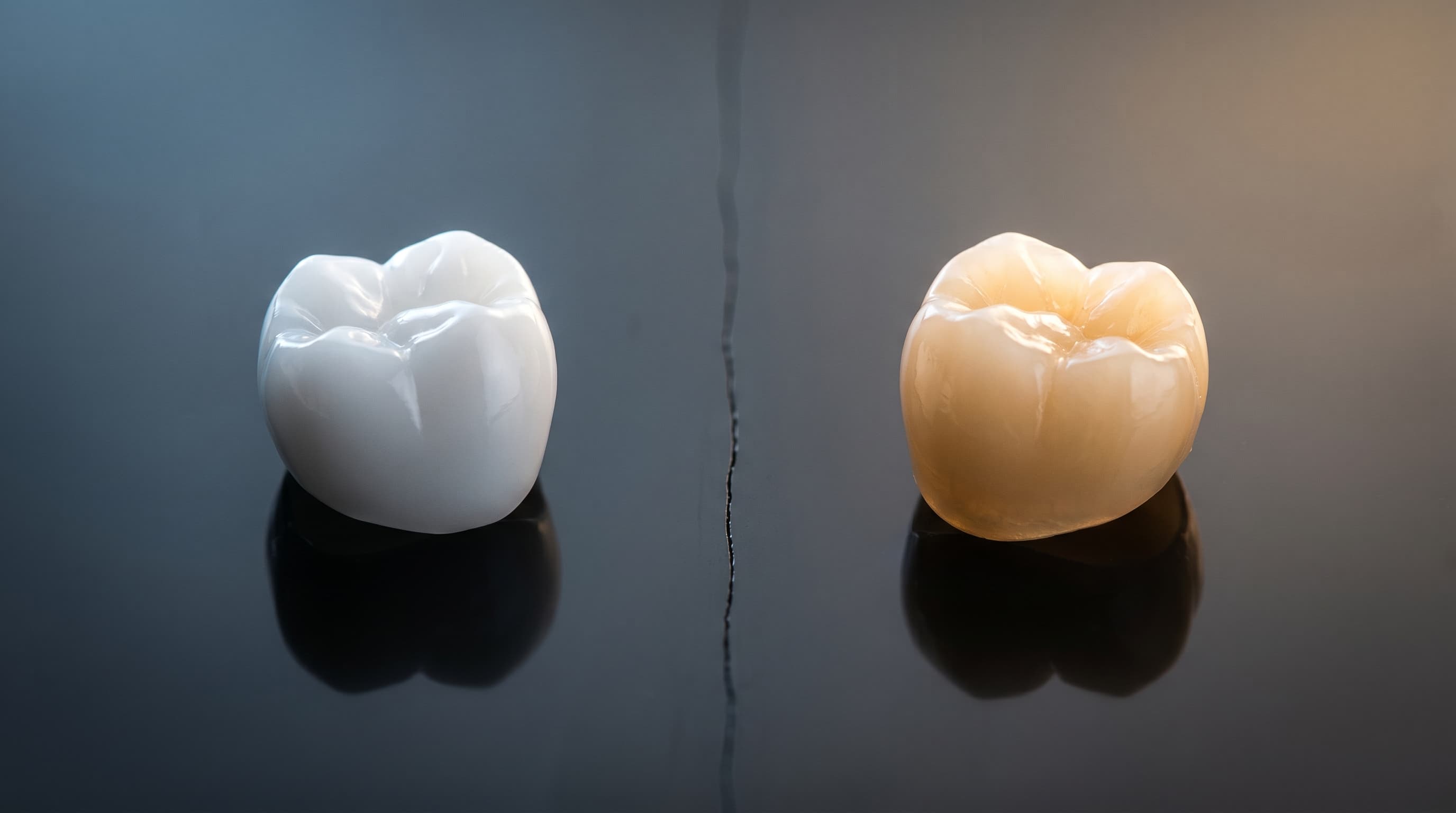
Your dentist just recommended a crown, and now you're stuck on a simple question. Zirconia or porcelain? The answer matters more than most patients realize. A zirconia vs porcelain crown decision affects your out-of-pocket cost, how natural the tooth looks when you smile, and how many years before you'll need a replacement.
Both materials are excellent. Both are recommended every day in dental practices across Texas. But they perform differently depending on where the crown goes and what your bite does to it. Choosing wrong means either paying more than you needed to, or watching a crown fail years earlier than it should.
This guide breaks down the real differences between zirconia and porcelain crowns, including cost in Texas, durability in actual patient mouths, and how each one looks under different lighting. You'll leave with a clear answer for your specific tooth. At Willow Family Dentistry in Wylie, TX, Dr. Esther Jeong walks every patient through this choice before any work begins.
Dr. Jeong recommends the material based on which tooth is involved and how much force it takes. See dental crowns in Wylie.
Zirconia wins on
Strength and lifespan, especially on molars and in grinders
Porcelain wins on
Translucency, which matters most on front teeth
What Is the Real Difference Between Zirconia and Porcelain Crowns?
The zirconia vs porcelain crown decision comes down to one trade-off: strength versus appearance. Zirconia is a dense ceramic strong enough for aerospace parts and artificial joints. Porcelain mimics natural tooth enamel more closely. Both fall under the "all-ceramic" category, but they behave very differently in your mouth.
How Each Material Is Made
Here's the practical difference. Zirconia is cut from a solid block that's then sintered at roughly 1,500 degrees Celsius, giving it a density that resists chipping and fracture. Porcelain is layered or pressed into shape, which allows for extraordinary color-matching but sacrifices some structural strength in the process.
What the Trade-off Means for Your Recommendation
That trade-off explains almost every recommendation your dentist makes. Need maximum durability? Zirconia. Need invisible color-matching on a front tooth? Porcelain usually wins. And there are hybrid options, like layered zirconia with a porcelain facing, that try to balance both.
The ADA's MouthHealthy resource on crowns notes that material choice should be based on tooth location, patient habits, and aesthetic priorities, not on which is "better" in the abstract. Both materials are approved and routinely used. At our Wylie practice, we stock and place both.
Which Crown Costs More in Texas?
Zirconia vs porcelain crown pricing in Texas is close, with zirconia typically running a bit higher than porcelain per tooth. The modest gap comes down to lab fees, case complexity, and whether premium materials like layered zirconia or E-max are used. See our full guide on dental crown cost Texas patients can expect in 2026.
Cost Snapshot
Crown Material Cost Ranges in Texas
Monolithic Zirconia
Mid-range · Best for back molars
Layered Zirconia
Mid-range to premium · Best for visible back teeth
All-Ceramic Porcelain
Budget-friendly to mid-range · Best for front teeth
E-max (Lithium Disilicate)
Premium · Best for premium cosmetic cases
| Material | Cost Range (Texas) | Typical Lifespan | Best For |
|---|---|---|---|
| Zirconia (monolithic) | Mid-range | 15 to 20 years | Back molars, grinders |
| Layered zirconia | Mid-range to premium | 12 to 18 years | Visible back teeth |
| All-ceramic porcelain | Budget-friendly to mid-range | 10 to 15 years | Front teeth, cosmetic focus |
| E-max (lithium disilicate) | Premium | 10 to 15 years | Premium cosmetic cases |
What a Low Quote Usually Leaves Out
Those ranges reflect what North Texas private practices typically charge. A corporate chain in Plano or McKinney may advertise lower starting prices, but the quote usually excludes the core buildup, temporary crown, and adjustment visits. When you total those extras, the gap closes fast.
Commonly missing from a "starting at" price
•The core buildup
•The temporary crown
•Adjustment visits
Typical swing once itemized: significant
One pattern we see often at our Wylie practice: patients get shocked by a low-sounding quote that balloons considerably once the numbers are itemized. An honest estimate is always better than a misleading one.
We verify your benefits and hand you an itemized estimate first: buildup, crown, temporary, follow-ups. Get your exact crown cost →
Which Material Lasts Longer?
In the zirconia vs porcelain crown lifespan comparison, zirconia typically wins. A 15-year study in BDJ Open found roughly 72% of 562 zirconia crowns still in service, while a systematic review in Dental Materials covering over 9,400 all-ceramic crowns found porcelain had significantly lower survival, especially on back teeth.
Lifespan Comparison
Average Crown Lifespan by Material
Zirconia
15-20
years
Porcelain
10-15
years
Three things that shorten any crown:
- Poor cementation at the crown margin
- Untreated decay forming under the crown
- Chronic grinding without a night guard
Why Zirconia Holds Up Better Under Load
Zirconia's edge comes from its flexural strength, typically measured at 900 to 1,200 megapascals compared to roughly 350 to 500 for lithium disilicate porcelain. That's why it can absorb the 200 to 250 pounds of pressure a molar generates during chewing without cracking. Porcelain, especially older feldspathic formulations, can chip or fracture under the same load. That's why porcelain rarely gets placed on first or second molars anymore.
Grinding Is the Other Variable
Grinding is the other variable. A 2024 global systematic review in the Journal of Clinical Medicine put overall adult bruxism prevalence at around 22%, with North American rates running higher still, and grinders are tough on all crown materials. Zirconia handles it better. The Mayo Clinic notes that chronic grinding can fracture restorations and natural teeth alike, which is why a night guard is often recommended alongside a new crown. If you wake up with a sore jaw or your partner hears you grinding at night, that history belongs in the conversation with your dentist.
The Same Crown, Two Very Different Outcomes
Here's the thing. A porcelain crown on a front tooth can easily last 15 years because front teeth don't take the same pounding. Place that same porcelain crown on a second molar in a grinder, and you might see a fracture within 5 to 7 years. Material choice and tooth location are inseparable.
Porcelain on a front tooth
Easily 15 years
Same crown, second molar, grinder
Fracture in 5 to 7 years
What Shortens a Crown's Life?
Three factors shorten any crown, regardless of material. Poor cementation, untreated decay at the crown margin, and chronic grinding. A well-placed crown on a well-prepped tooth, in a patient who wears a night guard, can easily outlast the lifespan averages. Skip any of those, and even the best zirconia fails early.
Regular checkups matter here. The ADA recommends preventive visits at intervals determined by your dentist based on individual risk, specifically because catching decay or marginal breakdown early is far easier and cheaper than addressing structural failure later. A small cavity under a crown margin, caught at a routine checkup, is an easy fix. Caught a year later, it may mean redoing the crown.
Related: Considering same-day options instead of a 2-visit crown? See how CEREC same-day crowns compare. → Same-Day Crowns in Wylie, TX
Related: Not sure if you need a full crown versus a smaller restoration? → Inlay vs Onlay vs Crown Guide
Zirconia vs Porcelain: How Do They Look?
On appearance, the zirconia vs porcelain crown gap is smaller than it used to be, though porcelain still wins slightly. Modern layered zirconia now matches natural teeth well enough that most patients can't tell the difference. Porcelain retains a small edge on translucency, which matters most for front teeth.
What Translucency Actually Means
Translucency is the way light passes through the edges of a tooth. Natural enamel has a slightly see-through quality at the biting edge. Porcelain reproduces this almost perfectly. Older monolithic zirconia looked opaque and slightly fake by comparison, especially under bright lighting or camera flash.
New-Generation Zirconia Has Closed the Gap
That's changed. The newest generation of zirconia, sometimes called "aesthetic zirconia" or "multilayer zirconia," has a graduated translucency built into the block. It's not quite porcelain, but it's close enough that the old rule ("zirconia for back, porcelain for front") is less absolute than it was five years ago.
What That Means for Your Tooth
What does this mean for you? If the crown is going on a front tooth and the match has to be invisible, ask about E-max or layered porcelain. If it's on a premolar or a first molar that shows slightly when you laugh, aesthetic zirconia is now a strong option. Back molars no one sees? Monolithic zirconia every time, and save a meaningful amount.
Will the Crown Match My Other Teeth?
Shade matching depends more on the ceramist than the material. A skilled dental lab can make zirconia look natural next to real enamel. An average lab can make a porcelain crown look obviously different. At our Wylie practice, we work with a small number of trusted labs precisely for this reason. You'll also come in for a shade match appointment so the color is dialed in under natural lighting before the final crown is made.
The iCAT 3D imaging system we use also helps. Better imaging means the crown margins fit more precisely, which improves how the final restoration blends with your gum line and adjacent teeth. A crown can be the right color and still look wrong if the fit is off.
Which Crown Should You Choose for Your Specific Tooth?
Your final zirconia vs porcelain crown answer depends on four things: where the tooth is in your mouth, how much force it takes during chewing, how visible it is when you smile, and your budget. A good dentist will walk you through all four before making a recommendation, not hand you a brochure and ask which you prefer.
Quick Reference
Crown Material Recommendation by Tooth Type
The Decision Framework
Here's a simple decision framework. Back molars with heavy bite load? Monolithic zirconia, almost always. Premolars that show when you smile wide? Aesthetic zirconia or layered porcelain. Front teeth that sit next to natural, unrestored teeth? E-max or feldspathic porcelain for the best translucency. Second molars in a grinder? Zirconia, with a night guard prescribed at the same visit.
Exceptions Worth Knowing
There are exceptions. Patients with metal allergies may need all-ceramic options regardless of location. Patients with a strong gag reflex sometimes prefer thinner porcelain crowns over thicker zirconia ones. Patients who've had crowns fail before often want to stick with what worked previously. The ADA's crown guidance supports this case-by-case approach rather than a one-size-fits-all material rule.
Being Honest About Budget
Budget matters honestly. If you're paying out of pocket and the crown goes on a back molar, the cheapest appropriate option is monolithic zirconia. It will outlast most of the fancier alternatives. Don't pay for cosmetic features on a tooth no one sees.
What Dr. Jeong Recommends for Specific Cases
For patients with a history of fractured crowns, zirconia is the default. For single-tooth replacements on front incisors, we typically recommend E-max because the translucency can't be matched by anything else in everyday use. For patients with moderate grinding who need a crown on a premolar, monolithic zirconia with a night guard is the most durable combination. For cosmetic cases involving multiple front teeth, we coordinate the material across all of them so the result looks unified rather than mixed.
Our multilingual team (English, Korean, Spanish, and Vietnamese) means you can have this conversation in the language you're most comfortable with. Patients from Murphy, Sachse, Lucas, Allen, and Plano regularly drive to our Wylie office for that combination of clinical care and honest explanation.
Bring your questions, your X-rays if you have them, and your budget. Dr. Jeong maps the options in plain language. Book a crown consultation →
Why Willow Family Dentistry for Your Crown in Wylie, TX?
Families in Wylie choose our practice because we explain every option honestly, itemize every cost upfront, and never push the most expensive material when a more affordable one works just as well. Our dental crowns in Wylie, TX are part of a broader restorative treatment approach, and the private practice model gives Dr. Jeong the time each case deserves.
Time, and Options for Anxiety
There's no assembly line here. Each crown appointment gets a proper diagnostic, a materials discussion, and a shade match when aesthetics matter. If you have anxiety about the procedure, we offer both nitrous oxide and IV sedation, two levels of support most offices in the Wylie area don't provide.
3D Imaging Before Any Prep
Our iCAT 3D imaging isn't a marketing talking point. For crown cases involving post-endodontic teeth or restorations near the sinus cavity, 3D imaging shows Dr. Jeong exactly what's underneath before any prep begins. That reduces remakes and adjustments, which directly lowers your final dental crown cost Texas patients care about.
Prevention Is Still the Cheapest Option
Preventive care is still the most cost-effective strategy. Regular checkups let us catch problems at the filling stage rather than the crown stage, which is why our patients come back twice a year for preventive visits. It's a simple concept that saves real money.
Ready for an Honest Crown Consultation?
Dr. Jeong reviews your bite, tooth location, and budget, then gives you a clear material recommendation, an itemized cost, and a timeline. All before any work begins, and with no sales pressure.
Results may vary. Please consult with Dr. Jeong for personalized treatment recommendations.
Book Your Crown Consultation →Have questions? Call (972) 881-0715
Dr. Esther B. Jeong, DDS
DDS · Willow Family Dentistry
Wylie family dentist with 15+ years of experience providing gentle, judgment-free dental care.
Frequently Asked Questions
Was this article helpful?
You may also like



Have a dental question?
Schedule a consultation and get personalized answers from Dr. Jeong.
Call us
(972) 881-0715
Hours
Mon – Thu: 9am – 5pm
Fri: By Appointment
Location
1125 W FM 544, Wylie
Emergency? Same-day appointments available.