Dental Implant Recovery Timeline: Day-by-Day Guide
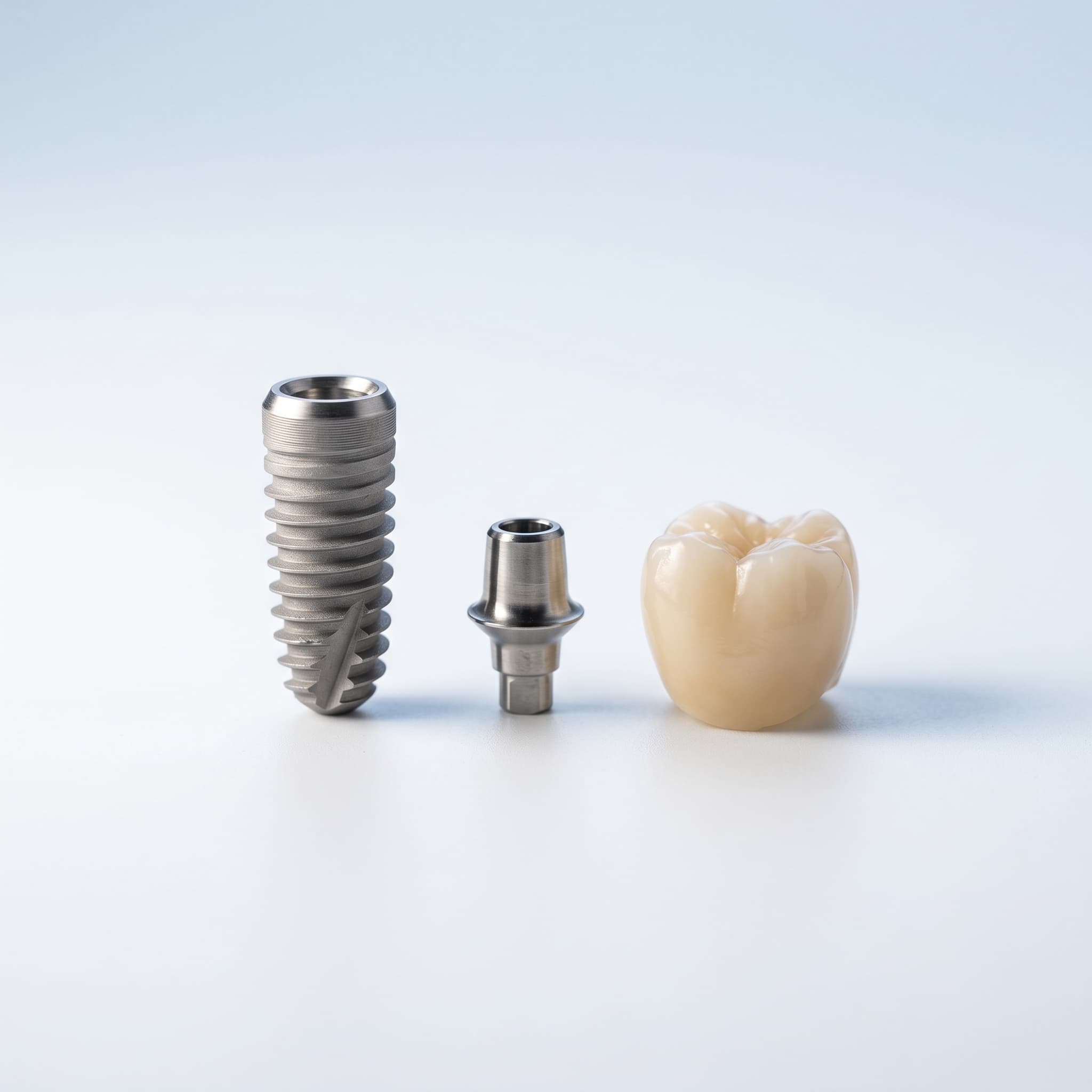
The dental implant recovery timeline is the question that keeps most patients up the night before surgery. Not "will it work?" but "how bad will it be, and when will I feel normal again?" The honest answer: most patients describe the recovery as significantly easier than they expected. A 2023 study in the Journal of Oral and Maxillofacial Surgery found that patient-reported discomfort after single implant placement averaged 3-4 out of 10 on a scale, peaking on day 1-2 and dropping to near-baseline by day 5-7. This guide walks you through each phase so there are no surprises.
Dr. Esther Jeong at Willow Family Dentistry in Wylie, TX sends every implant patient home with written recovery instructions customized to their procedure. This article mirrors that guidance so you can plan your meals, your schedule, and your expectations before you sit in the chair.
What Does the Dental Implant Recovery Timeline Look Like Overall?
The dental implant recovery timeline has two phases that patients often confuse. The first is surgical healing: the 7-14 day window where the soft tissue (gums) heals over the implant site. This is the phase you feel. The second is osseointegration: the 3-6 month period where the jawbone fuses around the titanium post. This phase happens silently beneath the surface with no symptoms.
Most patients return to desk work within 1-2 days, resume light exercise within 5-7 days, and eat a normal diet within 2-3 weeks. The timeline stretches for patients who had bone grafting alongside their implant (add 2-4 weeks of dietary caution) or multiple implants placed in one session (add a few days to the acute recovery).
| Phase | Timeline | What to Expect |
|---|---|---|
| Day of Surgery | Hours 1-6 | Numbness wearing off, mild oozing, begin medication and ice |
| Peak Swelling | Days 2-3 | Maximum swelling and bruising, managed with ice and ibuprofen |
| Turning Point | Days 4-5 | Swelling subsiding, discomfort decreasing, energy returning |
| Soft Tissue Healing | Days 7-14 | Sutures dissolving or removed, gums closing over the site, normal eating resuming |
| Osseointegration | Months 3-6 | Bone fusing around implant post, no symptoms, normal life |
| Final Crown | Month 4-6 | Abutment and permanent crown placed, treatment complete |
Day of Surgery: What Happens in the First 6 Hours?
You leave the office with gauze over the surgical site and numbness that lasts 2-4 hours depending on the anesthetic used. If you had IV sedation, you'll feel groggy and will need a driver. The sedation fog lifts within 4-6 hours, but you should plan to rest for the remainder of the day.
As the numbness wears off, you'll feel a dull ache at the implant site. This is the moment to stay ahead of the discomfort rather than chase it. Dr. Jeong prescribes ibuprofen (typically 600mg every 6 hours) and may add a short course of a stronger medication for the first 24-48 hours. Taking the first dose before the numbness fully wears off keeps the inflammatory response from gaining momentum.
Apply a cold compress to the outside of your cheek for 15 minutes on, 15 minutes off during the first 6 hours. Ice constricts blood vessels, limits swelling, and provides numbing relief. Light oozing (pink saliva) is normal. Active bleeding that fills your mouth is not and warrants a call to the office. Eat only cold or room-temperature soft foods: yogurt, smoothies, mashed potatoes, applesauce. Avoid hot foods and drinks for 24 hours because heat increases blood flow to the surgical site.
Days 1-3: The Peak Swelling Phase
Swelling peaks on day 2-3, not day 1. This catches patients off guard. You might feel fine the evening of surgery and think "that wasn't bad at all," then wake up on day 2 with a noticeably swollen cheek. This is completely normal. The body sends inflammatory cells to the surgical site to begin healing, and that process peaks roughly 48-72 hours after surgery.
Bruising may appear on the cheek or jaw, especially if the implant was placed in the lower jaw. The bruising can look dramatic (yellowing, purpling) but is harmless and resolves within 7-10 days. Patients with lighter skin tones tend to bruise more visibly.
Continue ice for the first 48 hours. After 48 hours, switch to warm moist heat (warm washcloth) to encourage blood flow and speed the resolution of swelling. Keep taking ibuprofen on schedule even if the discomfort feels manageable. The anti-inflammatory effect is cumulative, and skipping doses lets swelling rebound.
According to the Mayo Clinic, most patients describe post-implant discomfort as less intense than a tooth extraction. The surgical site is smaller (a single drilled channel in bone) and the surrounding tissue is handled more gently than during an extraction where leverage and force are required.
Related: Nervous about the procedure itself? → Dental Implants in Wylie TX: Your Step-by-Step Guide
Days 4-7: The Turning Point
By day 4-5, most patients notice a clear shift. Swelling starts visibly receding. The dull ache fades to a mild tenderness that only appears when you accidentally bump the area or eat something too firm on that side. Many patients stop their medication entirely by day 5-6 and manage any residual tenderness with occasional ibuprofen.
This is when you start feeling like yourself again. Energy returns. You can think clearly, hold conversations, and sit at a desk without distraction. Most patients who took 1-2 days off work return on day 3-4 for desk jobs. Physical labor, heavy lifting, and intense exercise should wait until day 7-10 because elevated blood pressure and exertion can disrupt the clot at the surgical site.
Your diet expands through this phase. By day 4-5, you can typically handle soft foods that require light chewing: scrambled eggs, pasta, soft bread, cooked vegetables, fish. Avoid chewing directly on the implant side. By day 7, most patients are eating a near-normal diet with the exception of hard, crunchy, or sticky foods on the surgical side.
If Dr. Jeong placed sutures, they're typically the dissolvable type that break down on their own within 7-10 days. Non-dissolvable sutures are removed at a brief follow-up appointment around day 7-10. The suture removal takes seconds and is painless.
Questions During Recovery?
Dr. Jeong's team is available by phone during your recovery. If something doesn't feel right, call rather than guessing.
Call (972) 881-0715 →Weeks 2-4: Soft Tissue Healing Completes
By week 2, the gum tissue has closed over the implant site in most cases. The area may still feel slightly tender to firm pressure, but daily life is unaffected. You're eating normally, exercising normally, and most people around you wouldn't know you had surgery two weeks ago.
Dr. Jeong typically schedules a follow-up around the 2-week mark to verify healing is progressing normally. She checks the surgical site for signs of infection (rare, occurring in roughly 2-3% of implant cases according to the ADA), confirms the soft tissue is closing properly, and answers any questions about the next phase.
If bone grafting was performed alongside the implant, the soft tissue healing follows the same timeline but the dietary restrictions extend further. Dr. Jeong may recommend a softer diet for 3-4 weeks after a combined implant-and-graft procedure to protect the graft material during its critical integration period.
Months 3-6: Osseointegration (The Silent Phase)
This is the phase you don't feel. The titanium implant post is slowly fusing with your jawbone through a process called osseointegration. Your body treats the titanium surface as biocompatible and grows new bone directly around and onto the post, locking it in place with the same density as a natural tooth root.
Osseointegration takes 3-6 months depending on bone quality, implant location (upper jaw takes longer because the bone is less dense), and whether grafting was performed. During this time, you live normally. You eat whatever you want. You brush and floss around the healing cap or temporary restoration. The implant is underneath the gum doing its work invisibly.
According to research cited by the American Academy of Implant Dentistry, dental implants have a 95-98% success rate over 10 years when properly placed and maintained. The osseointegration phase is when that success is being built, bone cell by bone cell.
Dr. Jeong monitors osseointegration with periodic checks and, when indicated, uses the iCAT 3D scanner to verify bone integration before proceeding to the final restoration. She won't place the permanent crown until she's confident the post is fully integrated. Rushing this step is one of the most common causes of implant failure at other practices.
Related: What determines how long your implant lasts after placement? → How Long Do Dental Implants Last? The Honest Answer
What Can Go Wrong During Recovery (and When to Call)?
The vast majority of implant recoveries are uneventful. But knowing the warning signs helps you respond quickly if something deviates from normal.
Signs of infection (call within 24 hours): increasing swelling after day 3 (swelling should be decreasing, not increasing), pus or foul-tasting discharge from the surgical site, fever above 100.4°F, and throbbing that intensifies rather than subsides. Infections caught early respond well to antibiotics. Infections ignored can compromise the implant.
Signs of implant mobility (call promptly): if you feel the implant post moving or shifting at any point during healing, that's a sign osseointegration isn't proceeding normally. Early intervention can sometimes save the implant. Waiting cannot.
Expected but alarming symptoms that are actually normal: bruising that spreads to the neck (gravity pulls the bruise downward, it looks worse than it is), mild numbness or tingling in the lip or chin after lower jaw implants (usually temporary, resolves within weeks), and a metallic taste during the first few days.
Dr. Jeong sends every implant patient home with her direct line for post-surgical questions. At Willow Family Dentistry, you're never wondering whether something is normal enough to wait or urgent enough to call. The answer is always: call.
Planning for Implant Surgery?
Dr. Jeong walks you through the full recovery timeline at your consultation so you can plan your schedule, your meals, and your time off with confidence.
Request a Consultation →Related: Not sure if you qualify for implants? → Are You a Dental Implant Candidate? 5 Key Factors
The dental implant recovery timeline is shorter and more manageable than most patients expect. The acute phase lasts about a week. The dietary restrictions last about two weeks. The invisible healing phase lasts a few months but requires nothing from you except showing up for checkups and taking care of your mouth the way you normally would. And at the end of it, you have a tooth that looks, feels, and functions like the one you lost.
If you're considering implants and the recovery is what's holding you back, schedule a consultation with Dr. Jeong at Willow Family Dentistry. She'll walk you through exactly what your recovery will look like based on your specific case, and you can make the decision with full information rather than fear.
Know Exactly What to Expect
Dr. Jeong provides a personalized recovery plan at your consultation including timeline, dietary guidance, and medication protocol for your specific procedure.
Request a Consultation →Questions about implant recovery?
Call (972) 881-0715 →Dr. Esther B. Jeong, DDS
DDS · Willow Family Dentistry
Wylie family dentist with 15+ years of experience providing gentle, judgment-free dental care.
Frequently Asked Questions
Was this article helpful?
You may also like

Have a dental question?
Schedule a consultation and get personalized answers from Dr. Jeong.
Call us
(972) 881-0715
Hours
Mon – Thu: 9am – 5pm
Fri: By Appointment
Location
1125 W FM 544, Wylie
Emergency? Same-day appointments available.