Custom Night Guard for Teeth Grinding in Wylie TX
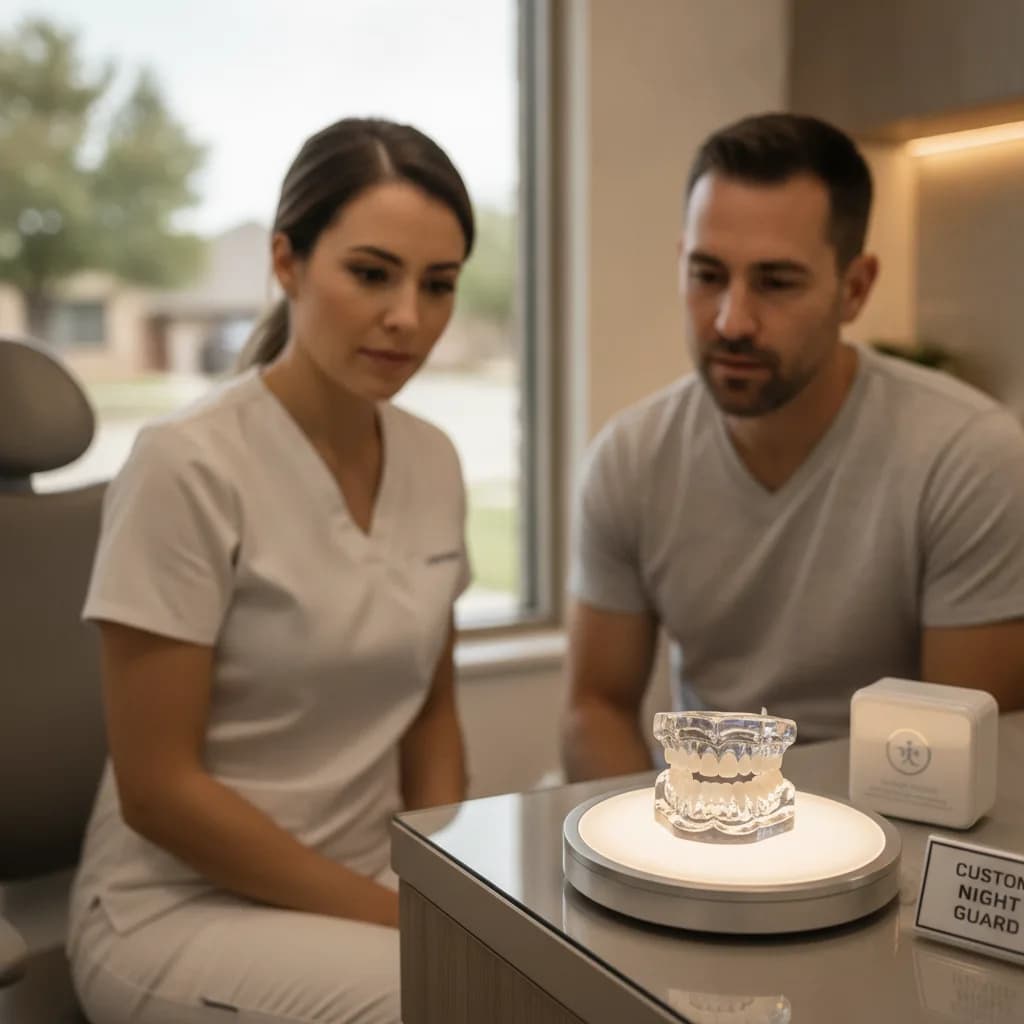
If you wake with a sore jaw, dull headaches, or teeth that feel worn down, nighttime teeth grinding may be the cause, and a custom night guard is the most effective way to protect your teeth from it. This guide explains how a custom night guard for teeth grinding works, why it beats drugstore versions, and what to expect in Wylie.
What Is a Night Guard and How Does It Work?
A night guard is a custom-fitted appliance worn over the teeth during sleep that creates a protective barrier between the upper and lower teeth. It absorbs and redistributes the force of grinding and clenching, shielding teeth from wear and easing strain on the jaw.
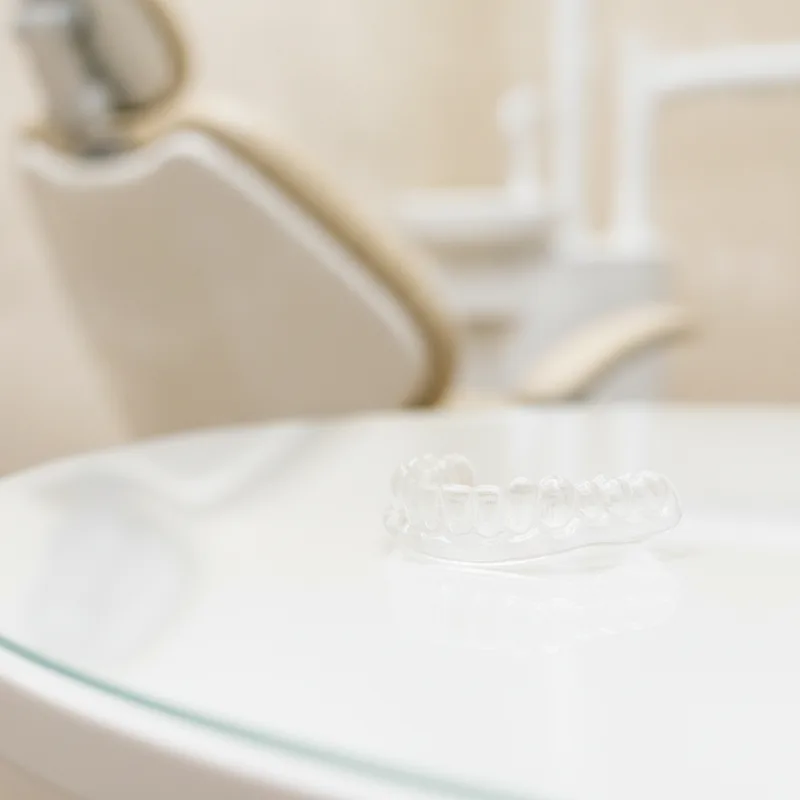
Grinding and clenching, known medically as bruxism, generate forces far greater than normal chewing, and over time that pressure, which can exceed 250 pounds per square inch, wears down enamel, chips teeth, and overloads the jaw joint over time. A night guard does not stop the grinding itself, but it intercepts the damage. By giving the teeth a smooth, resilient surface to press against instead of each other, it prevents the tooth-on-tooth contact that causes wear and fractures, and it cushions the jaw muscles and joint. Think of it as a helmet for your teeth during the hours you cannot control what your jaw is doing.
According to the clinical literature on bruxism, night guards are a first-line approach for protecting teeth from grinding damage, and they are widely recommended precisely because the habit is so difficult to control consciously during sleep.
How Do You Know If You Need a Night Guard?
Common signs include a sore or tired jaw in the morning, frequent headaches, worn or flattened teeth, increased tooth sensitivity, and a partner who hears grinding at night. A dentist can confirm bruxism by examining the wear patterns on your teeth.

Studies estimate that roughly 8 to 10% of adults grind their teeth regularly, and many do so in their sleep without ever realizing it, so the clues often show up as symptoms rather than awareness of the habit itself. Waking with facial soreness or a tension headache is a classic sign, as is noticing that your teeth look shorter or flatter than they used to. Heightened sensitivity can occur as grinding wears through protective enamel. Often a sleep partner is the first to notice the sound. During a routine dental exam, the dentist can spot the tell-tale flattened surfaces and microcracks that reveal grinding even before you have symptoms, which is one more reason regular checkups matter.
Why Is a Custom Night Guard Better Than a Drugstore Version?
A custom night guard is made from a precise mold of your teeth, so it fits securely, lasts longer, and is far more comfortable than a boil-and-bite or stock guard. That fit is what makes it effective, an ill-fitting guard is uncomfortable and often goes unworn.
| Feature | Custom Night Guard | Drugstore Guard |
|---|---|---|
| Fit | Precise, molded to your teeth | Generic, often bulky |
| Comfort | High; easy to wear nightly | Lower; often abandoned |
| Durability | Lasts years | Wears out quickly |
| Protection | Optimized for your bite | One-size, less effective |
| Professional check | Yes, fit verified | None |
The difference comes down to fit, and fit is not a luxury here, it is what makes the guard work. A precise custom guard stays in place, feels comfortable enough to wear every night, and distributes force exactly where your bite needs it. Drugstore guards are bulky and generic, so people tend to stop wearing them, which means no protection at all. A guard that sits in a drawer protects nothing.
What Damage Does Untreated Grinding Cause?
Left unprotected, chronic grinding wears down and flattens teeth, causes chips and fractures, increases sensitivity, loosens teeth over time, and strains the jaw joint, contributing to TMJ problems. The damage is cumulative and often expensive to repair.
The consequences build slowly, which is what makes bruxism deceptively serious. Year after year of grinding can wear teeth down dramatically, expose the sensitive inner layers, and crack teeth in ways that require crowns or even root canals or extractions. The same forces strain the temporomandibular joint, contributing to the jaw pain, clicking, and headaches associated with TMJ dysfunction. Repairing this accumulated damage is far more involved and costly than the simple step of wearing a guard, which is why dentists treat a night guard as a protective investment rather than an optional accessory.
What Causes Teeth Grinding in the First Place?
Bruxism has several contributors: stress and anxiety are the most common, but sleep disorders, an abnormal bite, certain medications, and lifestyle factors like caffeine and alcohol can all play a role. A night guard protects the teeth while underlying causes are addressed.
Understanding the cause helps with long-term management, even though the guard handles the immediate protection. Stress is the leading driver for many people, which is why grinding often worsens during difficult periods. Sleep-related factors, including sleep apnea, are also strongly linked to nighttime grinding. A misaligned bite can contribute, as can stimulants like caffeine and alcohol close to bedtime. Public health guidance emphasizes addressing both the symptom and the underlying contributors. The practical approach is usually to protect the teeth right away with a guard, then work on stress management, sleep quality, and any bite issues over time. You can read more about the stress connection in our guide to stress and teeth grinding.
What Is It Like to Get and Wear a Custom Night Guard?
Getting a custom guard is simple: the dentist takes an impression or digital scan, and the guard is fabricated to fit precisely. Most people adjust to wearing it within a week or two, and it quickly becomes an unremarkable part of the bedtime routine.
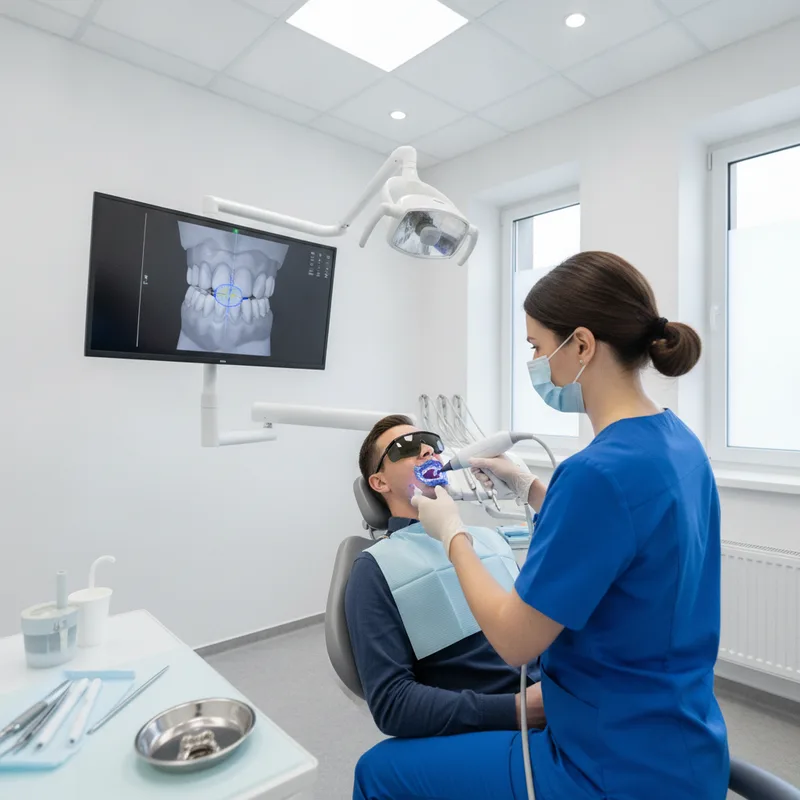
The process is comfortable and non-invasive. After a quick scan or mold of your teeth, the lab crafts a guard tailored to your bite, and the dentist checks the fit when it is ready, making any small adjustments. The first few nights can feel slightly unusual, as anything new in the mouth does, but adaptation is usually quick, and most patients soon barely notice it. Caring for it is easy: rinse it after use, brush it gently, and store it dry in its case. With proper care a custom guard lasts for years, and replacing it eventually is far cheaper than repairing ground-down teeth. If you also pursue regular cleanings, the dentist can monitor both the guard and your teeth over time.
Can Children Need Night Guards Too?
Children grind their teeth fairly commonly, but they usually outgrow it and rarely need a guard, since their teeth and jaws are still developing. Persistent grinding in an older child should be evaluated, but most childhood grinding is monitored rather than treated.
Parents often worry when they hear a child grinding at night, but in young children it is usually harmless and temporary, frequently resolving on its own as adult teeth come in, with studies showing grinding affects up to 30% of children but declines sharply with age. Because a child's mouth is constantly changing, a custom guard would quickly stop fitting, so dentists typically monitor rather than treat. The picture differs for older children and teens whose grinding persists or causes wear, where evaluation makes sense. If you are concerned about a child's grinding, our guide to a child grinding teeth at night explains when it is worth a closer look versus simply keeping an eye on it.
How Do You Care for and Clean a Night Guard?
Caring for a night guard is simple but important: rinse it immediately after each use, brush it gently with a soft toothbrush, let it dry fully, and store it in its ventilated case. Proper care prevents bacteria buildup and extends its lifespan.
Because a guard sits in your mouth all night, it can accumulate bacteria and plaque just like your teeth, so a quick daily routine keeps it hygienic. Rinse it under cool water as soon as you take it out, then brush it gently, hot water is the one thing to avoid, since it can warp the material and ruin the fit. Let it air dry completely before storing, as a damp guard in a closed case invites bacterial growth. Every so often, a deeper clean with a denture cleaner or a dentist-recommended solution freshens it further. Bring the guard to your routine checkups so the dentist can inspect both its condition and how your teeth are holding up, and replace it when it shows significant wear.
With this easy upkeep, a custom guard stays clean, comfortable, and effective for years. Neglecting it, on the other hand, can lead to odor, staining, and a shorter lifespan, so the few seconds of daily care are well worth it. Avoid leaving it in hot places like a car dashboard or near a sunny window, since heat is the fastest way to distort the fit.
Does a Night Guard Help With Jaw Pain and Headaches?
Yes. By cushioning the bite and reducing the intensity of clenching, a night guard often relieves the morning jaw soreness, facial tension, and headaches that accompany grinding. Many patients notice an improvement within a few weeks of consistent use.
The same forces that wear down teeth also overwork the jaw muscles and joint, which is why grinding so often shows up as pain rather than visible tooth damage at first. A guard lessens that load, giving the muscles and joint a chance to rest, and for many people the result is waking up without the familiar ache or tension headache. It is not an instant cure, and grinding driven by significant stress or a jaw-joint disorder may need additional care, but the guard is a reliable first step. When jaw pain is persistent or severe, it is worth a fuller evaluation for TMJ dysfunction, since a guard is sometimes one part of a broader treatment plan rather than the whole solution.
The key is consistency. A guard only helps on the nights you wear it, so building it into your routine is what delivers the relief, another reason the comfortable fit of a custom guard matters so much. Keeping it in its case right on your nightstand makes it easy to remember every single night.
A custom night guard for teeth grinding is one of the simplest and highest-value protective steps in all of dentistry, quietly preventing years of wear, fractures, and jaw strain before they ever start. If you suspect you grind your teeth, an evaluation at Willow can confirm it and get you fitted for a guard that actually fits and gets worn night after night.
Results may vary. Please consult with Dr. Jeong for personalized treatment recommendations.
Waking up with jaw pain or worn teeth? Call (972) 881-0715 or contact our team.
Dr. Esther B. Jeong, DDS
DDS · Willow Family Dentistry
Wylie family dentist with 15+ years of experience providing gentle, judgment-free dental care.
Frequently Asked Questions
Was this article helpful?
You may also like


Have a dental question?
Schedule a consultation and get personalized answers from Dr. Jeong.
Call us
(972) 881-0715
Hours
Mon – Thu: 9am – 5pm
Fri: By Appointment
Location
1125 W FM 544, Wylie
Emergency? Same-day appointments available.