Does Gum Revive Work? A Dentist's Honest Review of Claims
Does Gum Revive work? If you've seen the ads, you've probably seen bold promises about restoring receding gums, along with glowing reviews and dramatic before-and-after pictures. It's reasonable to wonder whether any of it holds up.
This guide looks at the claims behind products like Gum Revive from a dentist's point of view. We can't test every formula on the market, so we focus on what's known about gum recession, what products can realistically do, and how to judge an ad. If you want a professional opinion, our periodontal care in Wylie starts with a simple exam.
This article is general education, and it isn't a substitute for an exam with your dentist.
Worried about your gums?
Dr. Jeong checks the cause of recession and explains your options clearly, with no pressure and no judgment.
Meet Dr. Jeong →Does Gum Revive Work for Receding Gums?
There's no reliable evidence that any over-the-counter gel, toothpaste, oil, or supplement regrows lost gum tissue. Products like Gum Revive may help keep your mouth clean, but they can't rebuild gums that have already receded.
That answer disappoints people, and we understand why. Receding gums are frustrating, and an easy fix sounds wonderful. Still, a straight answer serves you better than a hopeful one.
It helps to separate marketing claims from what's realistic:
| Common claim | What's realistic | What to do instead |
|---|---|---|
| Regrows receding gums | Lost gum tissue does not regenerate on its own | Get an exam; grafting is the established option |
| Reduces swelling and bleeding | Plaque control can calm inflamed gums | Brush, floss, and get a professional cleaning |
| Fixes sensitivity | Some products can ease sensitivity temporarily | Ask about desensitizing options |
| Works in days | Gum health changes over weeks, not days | Be patient and track changes with your dentist |
| Replaces a dental visit | No product can diagnose the cause of recession | Book an exam |
Notice that none of this says products are useless. A good routine matters a great deal. The problem is expecting a bottle or tube to do what surgery or professional care does.
What Is Gum Revive Supposed to Do?
Products marketed as Gum Revive, and similar names, generally claim to soothe inflamed gums, freshen breath, and support gum regrowth. Formats vary from gels and oils to toothpastes and supplements, and ingredients differ from brand to brand.
Because formulas differ, we won't make claims about the contents of any one product. What we can say is that marketing for gum restoration products tends to follow a familiar pattern:
- Bold outcomes: phrases like "restore," "regrow," or "revive" your gums.
- Natural ingredients: botanical oils, herbs, or vitamins presented as breakthroughs.
- Testimonials: stories and photos that can't be checked.
- Urgency: limited-time offers, countdown timers, or auto-ship bundles.
Read the label and the fine print. Many of these products carry statements that they haven't been evaluated to treat or prevent any disease. If you're considering one, show it to your dentist. They can tell you if any ingredient could irritate your gums or interact with a medication.
The bigger question is what's causing your gums to recede in the first place, because no product can answer that.
Can Any Product Regrow Receding Gums?
Gum tissue that has receded does not regenerate on its own, and we're not aware of reliable evidence that a topical product changes that. Procedures like gum grafting are the established way to restore coverage over exposed roots.
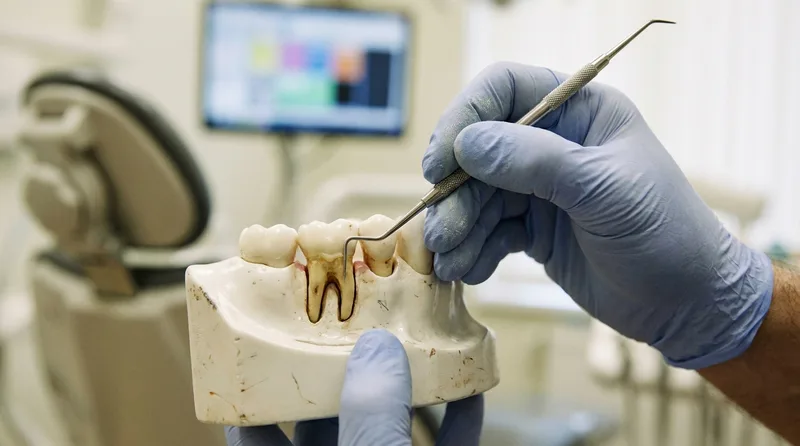
Think of gum recession like a worn patch on a carpet. Cleaning the carpet keeps what's left healthy, but it doesn't regrow the fibers. Gums behave similarly. Once the margin has moved down the tooth, the tissue doesn't climb back up by itself.
What products can sometimes do is calm inflammation. Swollen gums can look redder or puffier than they really are, and when plaque is controlled, they may tighten and look healthier. That's real, but it isn't regrowth. Our guide to whether receding gums can grow back explains the full picture.
The American Academy of Periodontology's gum disease information is a helpful, neutral resource if you want to read more about how gum problems develop and are treated.
What Can Gum Products Realistically Help With?
Gum products can help reduce plaque, ease mild inflammation, and support a good routine. They work best as a supplement to brushing, flossing, and professional cleanings, not as a replacement for any of them.
Gingivitis, the earliest stage of gum disease, is largely driven by plaque. When you remove plaque consistently, inflamed gums often calm down. Some toothpastes and rinses with antibacterial ingredients can support that effort. The American Dental Association's MouthHealthy toothpaste page explains what to look for when choosing one.
Realistic benefits include:
- Less plaque buildup along the gumline.
- Less bleeding when you brush or floss, if inflammation was the cause.
- Fresher breath as bacteria decrease.
- Temporary relief from sensitivity with some desensitizing formulas.
What they can't do is repair bone loss, rebuild gum tissue, or fix a bite problem. If you're unsure about mouthwash in particular, read our honest take on whether mouthwash works.
How Can You Judge Gum Revive Reviews and Ads?
Judge any gum product ad by looking for claims you can verify: named ingredients, clear instructions, independent evidence, and fair return terms. Be cautious with before-and-after photos, vague testimonials, and promises of fast regrowth.

Online reviews are tricky because they're easy to fake and hard to verify. A five-star review doesn't tell you whether the reviewer's gums were healthy to begin with, whether they also started flossing, or whether they were paid. A short checklist keeps you grounded:
- Check the wording. Phrases like "regrow," "restore," or "reverse" suggest outcomes that most oral care products can't promise.
- Look for real evidence. Studies on the specific product, not just on one ingredient, carry more weight.
- Read the fine print. Look for disclaimers, auto-renewal terms, and refund conditions before you enter a card number.
- Be wary of photos. Lighting, angles, and time between photos change how gums look.
- Ask your dentist. A two-minute question can save weeks and money.
If something feels too good to be true, it often is. And if a product irritates your gums, stop using it and call your dentist.
Want a straight answer about your gums?
Call Willow Family Dentistry for a gum exam. We'll check the cause of your recession and explain your options.
Call (972) 881-0715 →Is It Risky to Wait on a Product Instead of Seeing a Dentist?
Waiting can let the real cause of recession keep progressing. Gum recession is often linked to gum disease, brushing habits, grinding, or bite issues, and those problems tend to worsen quietly while a product gets the credit or blame.
Gum problems are common. According to the CDC (2024), 42% of adults aged 30 and older have some form of periodontal disease. Many don't know it, because early gum disease is rarely uncomfortable.
Here's why timing matters:
- Recession can expose roots, which are softer than enamel and more prone to sensitivity and decay.
- Gum disease can affect bone, and bone loss isn't something a gel can repair.
- Early treatment is simpler. Catching a problem early often means a deep cleaning and better home care instead of surgery.
The ADA notes that regular dental visits can catch 80% of oral health issues before they become serious, and the Journal of Dental Research reports that people who see a dentist regularly are 60% less likely to lose teeth. If your gums are changing, a dental exam is the most useful step you can take.
What Actually Treats Gum Recession?
Treatment depends on the cause. Dentists may recommend better brushing technique, a professional deep cleaning, a night guard for grinding, or gum grafting to cover exposed roots. An exam and measurements show which approach fits.
The first step is always finding out why your gums receded. Treating the symptom without the cause tends to bring the problem back.
Common approaches
- Technique changes: a soft brush and gentler, angled strokes if brushing too hard is the cause.
- Deep cleaning (scaling and root planing): removes bacteria and tartar below the gumline when gum disease is present.
- Night guard: protects teeth and gums from grinding forces.
- Bite adjustment or orthodontic care: addresses forces that stress certain teeth.
- Gum grafting: places tissue to cover exposed roots and protect them. Read our guide to gum grafting, cost, and recovery.
Not everyone with recession needs surgery. Mild recession that isn't progressing may only need monitoring and better home care. Dr. Jeong will explain what she sees and what makes sense for your mouth, and she'll use iCAT 3D imaging when she needs a closer look at the bone beneath your gums.
What Can You Do at Home to Protect Your Gums?
Brush gently twice a day with a soft brush, clean between your teeth daily, quit tobacco, and keep up with checkups. Those habits protect the gums you have and reduce the chance of further recession.

The good news is that most of the useful steps are simple and inexpensive. They also work whether or not you ever try a gum product.
- Use a soft-bristled brush and angle it toward the gumline with light pressure. Scrubbing hard can wear gums away.
- Clean between teeth every day with floss or small interdental brushes to remove plaque your brush can't reach.
- Avoid tobacco, which reduces blood flow to the gums and raises the risk of gum disease.
- Wear a night guard if you grind your teeth. Ask your dentist if you're unsure.
- Keep regular cleanings so tartar doesn't build up where you can't reach it.
Nerves about the dentist can get in the way. According to BMC Oral Health (2024), 36% of Americans have dental anxiety, and 12% have extreme dental fear. The Journal of Dental Anesthesia reports that sedation dentistry has helped 75% of fearful patients maintain regular dental visits. Dr. Jeong's judgment-free approach means you can start with a simple conversation.
When Should You See Willow Family Dentistry About Receding Gums?
See your dentist if you notice exposed roots, gums that look longer, new sensitivity, bleeding, or loose-feeling teeth. Willow Family Dentistry welcomes patients from Wylie, Murphy, Sachse, Lucas, Allen, and Plano for gum exams and periodontal care.
You don't have to wait until something feels wrong. Patients across Collin County and North Texas visit us with questions about gum products they've seen online, and we're happy to talk them through. A short exam gives you real answers instead of guesses.
At your visit, Dr. Jeong checks gum measurements, looks for the cause of recession, and uses iCAT 3D imaging when she needs a closer look at the bone. Our team speaks English, Korean, Spanish, and Vietnamese, so you can ask questions in the language you're most comfortable using.
- Book soon: exposed roots, bleeding gums, new sensitivity, or loose teeth.
- Book a checkup: if you're curious about a product and want a professional opinion.
What Is the Honest Answer on Gum Revive and Receding Gums?
Gum Revive and similar products may support a good routine, but they can't regrow gum tissue that has already receded. The most useful step is an exam that finds the cause and the right treatment for your mouth.
Protect the gums you have, ask questions before you buy, and don't let a clever ad delay care. We're happy to help.
Results may vary. Please consult with Dr. Jeong for personalized treatment recommendations.
Ready for a straight answer about your gums?
Request an appointment with Dr. Jeong for a gentle gum exam and a clear plan, with no pressure and no judgment.
Request an Appointment →Prefer to ask a question first?
Contact Willow Family Dentistry →Dr. Esther B. Jeong, DDS
DDS · Willow Family Dentistry
Wylie family dentist with 15+ years of experience providing gentle, judgment-free dental care.
Frequently Asked Questions
Was this article helpful?
You may also like



Have a dental question?
Schedule a consultation and get personalized answers from Dr. Jeong.
Call us
(972) 881-0715
Hours
Mon – Thu: 9am – 5pm
Fri: By Appointment
Location
1125 W FM 544, Wylie
Emergency? Same-day appointments available.