How Many Hours a Day to Wear Aligners? Wylie, TX Guide
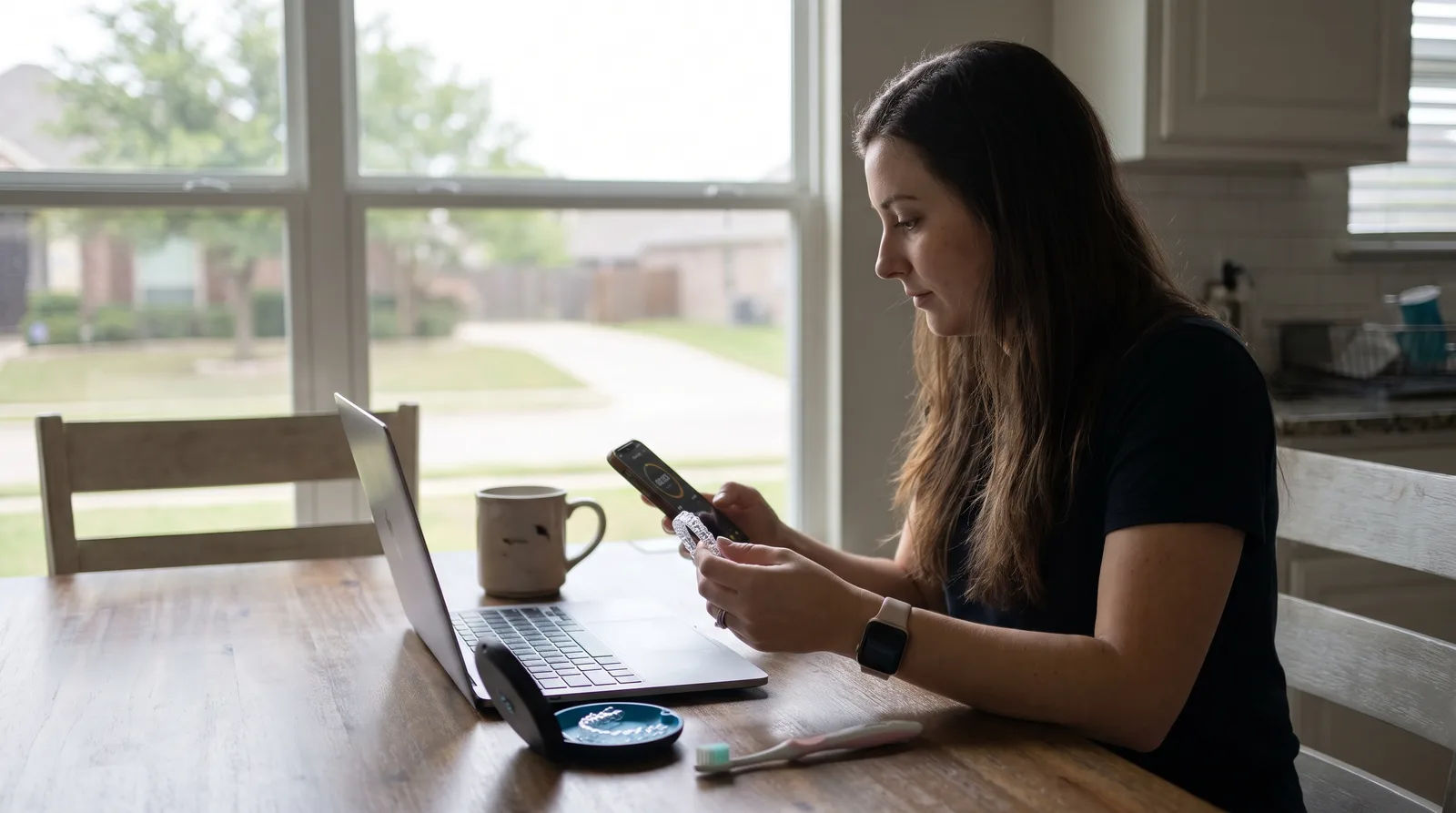
How many hours a day to wear aligners is the first thing most patients ask, and the honest answer surprises people: nearly all of them. At Willow Family Dentistry in Wylie, TX, clear aligner treatment plans usually call for 20 to 22 hours of wear every day, whether you use Invisalign or another system. That leaves a small window for meals, brushing, and cleaning your trays.
The trouble is that hours slip away quietly. A long lunch, a slow latte, a snack while cooking dinner, and suddenly a 22-hour plan becomes 17. Nobody notices for a week or two. Then a new tray feels snug in all the wrong places.
This guide explains why wear time matters so much, what happens when you fall short, and how to build a daily routine that fits a busy North Texas schedule. You'll also find clear steps for lost trays, cleaning, and life after treatment.
Thinking about clear aligners?
Find out whether aligners suit your smile and your schedule with a relaxed, judgment-free visit to Willow Family Dentistry in Wylie.
Request an Appointment →How many hours a day to wear aligners for them to work?
Most clear aligner plans call for 20 to 22 hours of wear every day. Trays come out only for eating, drinking anything other than plain water, and cleaning. That gives you a daily out-of-mouth budget of roughly two to four hours, and staying close to 22 helps your trays track.
What does a two to four hour out-of-mouth budget look like?
Think of it like a spending account. Three meals take most of it. If breakfast, lunch, and dinner each run about 30 minutes and you brush after each one, you've already used close to two hours.
Everything else comes out of the same small balance. A coffee break, an afternoon snack, a slow dinner out with friends in Plano: each one is a withdrawal. Spend carelessly and the account runs dry by Wednesday.
Is 20 hours enough, or do you really need 22?
Twenty hours is generally treated as the floor, not the goal. Teeth respond to steady pressure, and every hour without trays gives them a chance to drift back toward where they started. Your dentist sets your specific target based on your case. Plans with more complex movement often leave little room below 22. If you regularly land closer to 20, say so at your next check-in. Don't just assume it's fine.
Why does wear time matter so much for moving teeth?
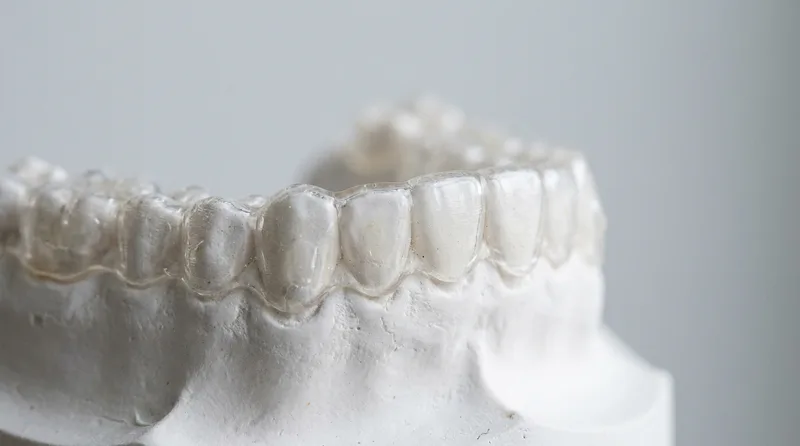
Wear time matters because teeth move in response to light, continuous pressure rather than occasional bursts of force. Each aligner is shaped to nudge specific teeth a tiny distance. That movement only holds when the tray stays in long enough for the surrounding bone to adjust.
How do aligners actually move teeth?
Your teeth sit in bone, held in place by a thin ligament. When an aligner presses on a tooth, bone on one side slowly breaks down while new bone forms on the other side. This process is called bone remodeling, and it's slow by design. It also pauses whenever the pressure stops.
Clear aligners can treat 90% of mild-to-moderate alignment issues, according to research in the American Journal of Orthodontics. But that figure assumes the trays are actually worn. An aligner can't move anything while it sits in its case on the kitchen counter.
Why does each tray depend on the one before it?
Before treatment starts, your dentist maps out the full sequence of movements using digital scans. At Willow Family Dentistry, that planning can include iCAT 3D imaging, which shows roots and bone that a standard X-ray can't. Each tray in the series assumes the one before it finished its job. Skip hours on tray four, and tray five is shaped for teeth that aren't where the plan expects them. Across a series of 20 or 30 trays, small gaps add up quickly.
What happens if you don't wear your aligners enough?
If you don't wear your aligners enough, your teeth fall behind the treatment plan and new trays stop fitting properly. Over time, that can mean extra refinement trays, more appointments, and a longer overall timeline than you expected when treatment began.
Signs your aligners aren't tracking
Dentists use the word tracking to describe how closely your teeth follow the plan. When tracking slips, you'll usually notice it before anyone tells you:
- Visible gaps between the tray and your teeth, especially along the edges or near the biting surfaces. This is the clearest sign of all, so snap a quick photo to show at your next visit.
- A new tray that still won't seat fully after two or three days.
- Pressure that feels lopsided, focused on one tooth instead of spread across the arch.
- Attachments, the small tooth-colored bumps on some teeth, that no longer line up with their pockets.
Can missed hours add time to your treatment?
Yes. The American Association of Orthodontists (AAO) reports that average clear aligner treatment takes 6-18 months, compared with 18-36 months for traditional braces. That shorter timeline is one of the main reasons adults choose aligners in the first place.
Low wear time is one of the most common ways that timeline stretches. Refinements usually mean new scans and a fresh set of trays, which can add weeks or months. Not ideal if you're counting down to a wedding.
Worried your aligners are falling behind?
Dr. Esther Jeong checks how your teeth are tracking at every visit and adjusts your plan when life gets busy, without any judgment.
Meet Dr. Jeong →Can you eat or drink with aligners in?
No, you shouldn't eat with aligners in, and plain water is the only drink that's safe with trays on. Chewing can crack or warp the plastic. Sugary or acidic drinks get trapped against your teeth, where saliva can't rinse them away.
Which drinks are safe with trays in?
Short version: water. Cool or room-temperature water is fine all day, and sipping it keeps your mouth moist. Nearly everything else is a trays-out drink:
- Coffee and tea, which stain the plastic and, when hot, can warp it out of shape.
- Soda, sports drinks, and juice, which coat teeth in sugar and acid.
- Flavored sparkling water, since many brands add citric acid.
- Alcohol, which dries your mouth and often arrives with sugary mixers.
Why eating with aligners puts your teeth at risk
Aligners cover every surface of your teeth. That's great for moving them, but it also creates a sealed pocket. Normally saliva washes sugar and acid off your enamel within minutes. Under a tray, they can sit there for hours.
Nearly 1 in 4 adults in the US already has untreated tooth decay, according to the CDC's National Center for Health Statistics. Trapped sugar only raises that risk. Brush, or at least rinse well, before your trays go back in. Routine preventive dental care during treatment helps catch early enamel changes before they turn into cavities.
How do you fit meals and snacks into a 22-hour day?
The easiest way to fit meals into a 22-hour day is to eat at set times instead of grazing, and to brush right after each meal. Most people who hit their target plan three meals and one snack, which uses about two hours of their daily budget.

Sample daily aligner schedule
Here's what a realistic weekday can look like for a working adult with a 22-hour target. Shift the times to match your own routine.
| Time | What happens | Trays out |
|---|---|---|
| 7:00 AM | Breakfast, then brush and floss | 30 minutes |
| 12:00 PM | Lunch, rinse trays, brush teeth | 35 minutes |
| 3:30 PM | Coffee with milk, finished in one sitting, then rinse | 15 minutes |
| 6:30 PM | Dinner, then brush and floss | 40 minutes |
| 10:00 PM | Clean and soak trays, final brush | 10 minutes |
| Daily total | About 21 hours and 50 minutes of wear | 2 hours 10 minutes |
Notice what's missing: the mid-morning muffin, the iced coffee sipped all afternoon, the handful of chips while dinner cooks. Each one feels small. Together they can easily cost an hour.
Why grazing and sipping break the budget
Grazing is the quiet budget killer. Every snack means trays out, food in, then a rinse or brush before they go back. A quick bite easily turns into 15 minutes.
Slow sipping is worse. Either your trays stay out the entire time, or they stay in while sugar pools underneath. If you want a snack, sit down and finish it in one go. Busy parents can pair their own trays-out time with something already on the calendar, like the kids' after-school snack.
Not sure aligners fit your schedule?
Call Willow Family Dentistry and our team will talk through your daily routine with you before you commit to treatment.
Call (972) 881-0715 →What should you do if you forget or lose a tray?
If you forget or lose a tray, put your current or previous aligner back in as soon as possible and call your dentist for guidance. Don't guess by skipping ahead to the next tray, because it may not fit teeth that haven't finished moving yet.
Left your aligners out overnight
It happens. You took them out for dinner, fell asleep on the couch, and woke up with bare teeth. Put the current tray back in right away.
It may feel tight for a day, the same way a brand-new tray does. If it still won't seat after a day or two, or you've missed more than one night, call the office before moving to the next tray. Your dentist may suggest wearing the current one a few extra days to catch up.
Lost or cracked a tray
- Keep your previous trays. Store each old aligner in its bag, because it becomes your backup if the current one goes missing.
- Wear the previous tray so your teeth aren't left without pressure. Only move to the next tray if your dentist approves.
- Call the office the same day and ask whether to move forward, stay put, or order a replacement.
- Check a cracked tray for sharp edges, and stop wearing it if it irritates your gums or cheeks.
The ADA notes that regular dental visits can catch 80% of oral health issues before they become serious. The same idea applies here: a quick call now usually prevents a bigger correction later.
How should you clean your aligners and protect your teeth?
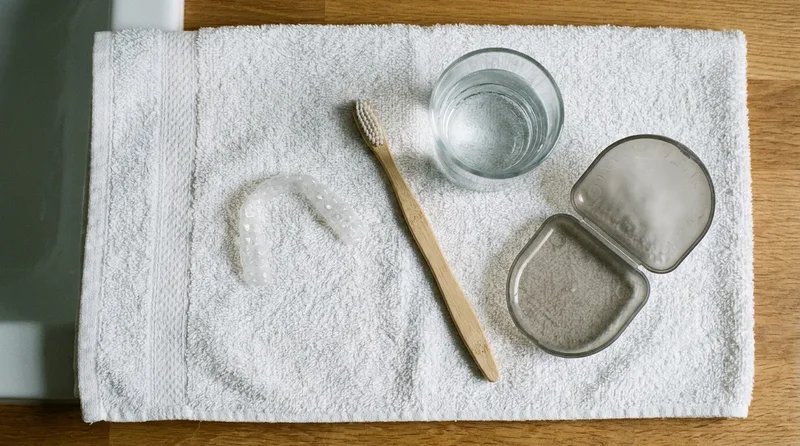
Clean your aligners every morning and night by rinsing them, brushing gently with a soft toothbrush, and rinsing again in cool water. Brush and floss your own teeth before trays go back in, because anything left on your enamel stays trapped until your next meal.
Daily cleaning routine for your trays
- Rinse each tray in cool water as soon as it comes out, before saliva dries on it.
- Brush the inside and outside gently with a soft toothbrush and clear, unscented soap. Toothpaste can leave fine scratches that hold stains and make trays look cloudy.
- Soak once a day in a cleaner your dentist recommends.
- Store trays in their case, never wrapped in a napkin.
Skip hot water entirely. Heat can warp the plastic, and a warped tray won't press where it should.
Your gums benefit from this routine too. The CDC reports that 42% of adults aged 30 and older have some form of periodontal disease, and plaque held under plastic all day gives gums a rough time. Watch for red, swollen, or tender gums that bleed easily, which the NIDCR lists as common signs of gum disease. Over the long run, the ADA notes that straight teeth are easier to clean, cutting the risk of cavities and gum disease by up to 30%.
Why dry mouth matters more when you wear aligners
Saliva is your mouth's built-in rinse. Aligners already limit how much of it reaches your teeth, so anything that dries your mouth further adds up fast. Allergy medicines, some blood pressure drugs, and antidepressants are common culprits, according to the National Institute of Dental and Craniofacial Research. MouthHealthy also suggests sipping water often to keep saliva flowing. Mention any new prescriptions at your visits.
Related: Several common prescriptions reduce saliva more than most people expect. Medications That Cause Dry Mouth: A List Worth Knowing →
Does wear time change once treatment is finished?
Yes, wear time drops after treatment, but it doesn't disappear. Once your teeth reach their final position, you switch to retainers. Most patients wear them full-time at first and later only at night, while the bone around their teeth finishes settling.
Teeth have a kind of memory. The fibers around them keep a slight tendency to drift back toward old positions for months after treatment ends. That shift is called relapse, and it's common when retainers end up in a drawer.
MouthHealthy, the ADA's patient site describes retainers as the step that keeps orthodontic results stable. Your dentist will set a retainer schedule based on how far your teeth moved. Many people keep wearing retainers at night for the long haul. Keep up your checkups too: Americans who see a dentist regularly are 60% less likely to lose teeth, according to the Journal of Dental Research.
Here's the good news. After months of 22-hour days, eight hours of nighttime wear feels easy. Most patients find it becomes as automatic as brushing before bed.
Ready to talk about clear aligners in Wylie?
The biggest factor in aligner success is the one you control every day: how long your trays stay in. Whether you're planning treatment or struggling to hit your target now, a short visit can help you build a wear plan that fits your real routine.
Dr. Jeong and the team at Willow Family Dentistry, on W FM 544 near Wylie High School, welcome patients from Murphy, Sachse, Lucas, and across Collin County. Visits are available in English, Korean, Spanish, and Vietnamese. Bring your questions about how many hours a day to wear aligners, and we'll map out a schedule together.
Results may vary. Please consult with Dr. Jeong for personalized treatment recommendations.
Start your clear aligner consultation
Get a personalized wear plan and a judgment-free evaluation from Dr. Jeong at Willow Family Dentistry in Wylie, TX.
Request an Appointment →Prefer to talk it through first? Our Wylie team is happy to answer your aligner questions by phone.
Call (972) 881-0715 →Dr. Esther B. Jeong, DDS
DDS · Willow Family Dentistry
Wylie family dentist with 15+ years of experience providing gentle, judgment-free dental care.
Frequently Asked Questions
Was this article helpful?
You may also like


Have a dental question?
Schedule a consultation and get personalized answers from Dr. Jeong.
Call us
(972) 881-0715
Hours
Mon – Thu: 9am – 5pm
Fri: By Appointment
Location
1125 W FM 544, Wylie
Emergency? Same-day appointments available.