Wisdom Teeth Removal Teenager Timing: Best School Breaks

Most families think about wisdom teeth removal teenager timing the same way they think about braces: around the school calendar, not just around a specific age. Getting the timing right, backed by 3D imaging, means fewer missed classes and a recovery window that actually fits real life.
Wisdom teeth don't follow a strict schedule the way baby teeth or permanent molars do. Some teens never develop them at all, others have them come in without issue, and a meaningful share need evaluation and eventually removal.
This guide covers the typical evaluation age, what a scan actually shows, why breaks beat mid-semester, and a realistic recovery timeline. For imaging and sedation details, see this practice's iCAT 3D imaging and IV sedation services.
Wisdom Teeth Removal Teenager Timing: When Should It Happen?
Wisdom teeth removal for teenagers is generally best timed during a school break, most often summer, since the typical recovery window of several days to two weeks fits more comfortably into break time than a busy semester.
The actual evaluation age and the actual removal date don't have to be the same moment. A dentist can identify a wisdom tooth issue during a routine checkup months before the procedure itself gets scheduled for a break.
Planning around the calendar rather than reacting to sudden discomfort tends to produce a smoother experience overall, with less disruption to classes, activities, and exams.
According to ADA guidance, most wisdom teeth issues develop gradually enough that there's usually time to plan removal deliberately rather than needing to act on short notice.
A dedicated evaluation appointment, separate from the removal itself, is the practical first step for any family thinking ahead about an upcoming break.
Planning Around an Upcoming Break?
Schedule an evaluation now to keep the most scheduling options open later.
Schedule an Evaluation →What Age Should Wisdom Teeth Be Evaluated?
Most dentists evaluate wisdom teeth starting around age 16 to 17, using an X-ray to check development and positioning well before the teeth actually cause any noticeable problems at all.
Wisdom teeth don't always need to come out the moment they're evaluated. Early evaluation is about tracking development and catching a problem before it becomes urgent, not necessarily scheduling immediate removal.
- Ages 16 to 17: typical window for a first evaluation and imaging.
- Ages 17 to 19: common window for actual removal, if needed.
- Later teens or early 20s: still a reasonable time if issues weren't caught earlier.
Earlier evaluation generally means more scheduling flexibility, since a problem caught early can be planned around an upcoming break rather than requiring urgent removal on short notice.
Roots aren't fully formed yet during the mid-teen years, which is part of why this window tends to make the eventual removal, if needed, somewhat more straightforward than waiting until the roots are fully developed later on. Patients who keep up with routine dental care are roughly 60% less likely to lose teeth over time, according to the Journal of Dental Research, a pattern that starts with exactly this kind of proactive evaluation.
Bone density also tends to increase with age, which is another reason earlier removal, when clinically appropriate, is sometimes associated with a more straightforward recovery compared to removal delayed into the mid-twenties or later.
None of this means every teen needs removal by a specific deadline. Some wisdom teeth come in fully and function normally without ever needing intervention. The evaluation is what determines which situation applies, not a fixed rule based on age alone.
What Does a Panoramic or 3D Scan Actually Show?
A panoramic or 3D scan shows the exact position and angle of each wisdom tooth, how close the roots sit to nerves and other teeth, and whether a tooth is likely to come in normally or stay impacted.
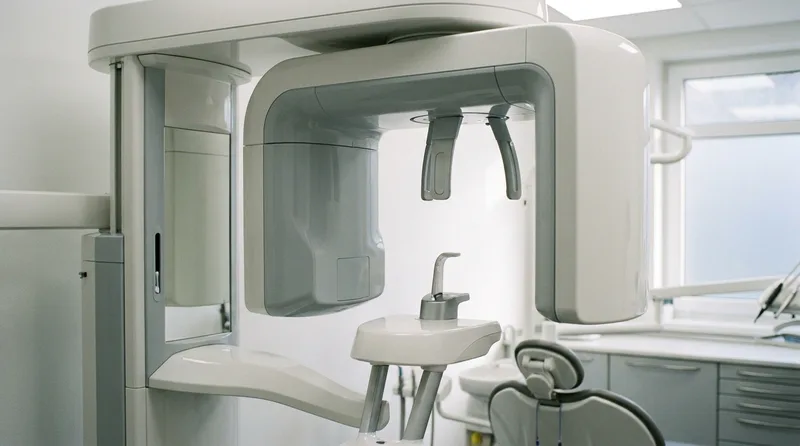
A flat panoramic X-ray gives a solid general view, but a 3D scan adds real depth, showing exactly how a tooth's roots relate to the nerve running through the jaw. That detail matters more for a tooth that looks complicated on a flat image.
iCAT 3D imaging, used in-house at this practice, gives a considerably more precise picture than a standard panoramic X-ray alone, which helps with both diagnosis and planning the actual removal appointment.
That precision matters most for a wisdom tooth positioned close to a nerve or a neighboring tooth's root. Knowing the exact spatial relationship beforehand helps plan a more predictable, less complicated procedure overall.
A scan also reveals whether a tooth is likely to come in fully upright, partially impacted, or fully impacted beneath the gum line. Each of those scenarios calls for a somewhat different approach, which is exactly why imaging happens well before any removal date gets scheduled.
Sharing the actual images with a teen, rather than just describing findings verbally, sometimes helps make an abstract recommendation feel more concrete and easier to understand. Nearly 1 in 4 adults in the US has untreated tooth decay, according to CDC data, and clear imaging tends to make the case for treatment more convincing than a verbal explanation alone.
Why Do School Breaks Beat Mid-Semester Removal?
School breaks beat mid-semester removal because the swelling and downtime that follow extraction rarely align well with exams, presentations, or sports schedules, while a break offers several uninterrupted days to recover.
Recovery isn't just about physical healing. Missing focused class time during a critical unit or exam week creates a different kind of problem than missing the same number of days during a break.
Summer remains the most popular window for this reason, though winter and spring breaks work well too, particularly for a teen whose summer is already booked with a job, camp, or other commitments.
Sports seasons matter here too. A teen in the middle of a fall or spring season may prefer summer specifically to avoid any overlap between recovery and active competition.
Social events, from a school dance to a trip with friends, are worth factoring into the exact date within a break as well, since swelling and mild bruising are common in the first several days.
Talking through the calendar directly with a teen, rather than deciding the date unilaterally, tends to produce better buy-in around the actual recovery days, especially if a specific event needs to be worked around. That conversation itself is a reasonable first step even before scheduling an evaluation.
| Break | Typical Length | Fit for Recovery |
|---|---|---|
| Summer break | 10+ weeks | Most flexible option |
| Winter break | 1 to 2 weeks | Good if timed early in the break |
| Spring break | 1 week | Workable for a simpler case |
iCAT 3D Imaging and IV Sedation, In-House
Precise planning and comfortable sedation, both available at this practice.
Learn About 3D Imaging →What's a Realistic Recovery Timeline?
A realistic wisdom teeth recovery timeline involves the most noticeable swelling and discomfort in the first two to three days, with most teens feeling ready for normal activity again within about a week.

The first 48 to 72 hours tend to be the most restrictive, with a soft-food diet and rest recommended during that window. Swelling typically peaks around day two or three before starting to improve.
By the end of a full week, most teens are back to normal eating and activity, though a full return to contact sports or strenuous exercise sometimes takes closer to two weeks, depending on how the individual case healed.
According to Mayo Clinic's general guidance on dental care, following aftercare instructions closely during the first few days has a meaningful effect on how smoothly the rest of recovery goes.
Every case heals a little differently, and a follow-up check a week or two after removal confirms healing is on track rather than leaving that to guesswork at home.
Ice packs during the first day, followed by warm compresses after that, are commonly recommended to help manage swelling through the different stages of the healing process. Staying hydrated and sticking to soft foods for the first few days also supports a smoother recovery overall.
How Does Sedation Work for Wisdom Teeth Removal?
IV sedation is commonly used for wisdom teeth removal, keeping a teen comfortably relaxed and largely unaware of the procedure itself, which tends to matter more for wisdom teeth than for most other dental procedures.
Wisdom teeth removal often involves multiple teeth in one visit, which makes a deeper level of sedation more common than for a typical filling or cleaning. IV sedation allows the full procedure to happen in one sitting comfortably.
Recovery from IV sedation itself typically takes a few hours, which is part of why a school break, rather than a single day off, tends to work better logistically for both the procedure and the sedation recovery combined.
A parent or guardian needs to be available to drive and stay nearby for the rest of the day after IV sedation specifically, which is worth planning around when choosing an exact appointment date within a break.
Nitrous oxide is sometimes an alternative for a more straightforward case involving fewer teeth, though IV sedation remains the more common choice for a full set of wisdom teeth removed together.
Whichever sedation option applies, the goal stays the same: a comfortable, efficient procedure that a teen doesn't remember as distressing, which matters as much for future dental visits as it does for this specific procedure. A positive experience here tends to make every dental visit afterward easier too.
How Do I Schedule Removal Around the School Calendar?
Scheduling wisdom teeth removal around the school calendar starts with an evaluation well before the intended break, giving enough lead time to confirm whether removal is actually needed and to book the preferred date.

Popular break windows, especially the first week or two of summer, tend to fill up quickly once school schedules are public. Scheduling an evaluation months ahead avoids losing the preferred timing to a fully booked calendar.
- Schedule an evaluation with imaging well before the target break.
- Confirm whether removal is actually needed and how urgently.
- Book the removal date early in the break to allow full recovery time.
- Plan a few soft-food meals and a quiet few days around the procedure.
Booking early in a break, rather than at the very end, leaves a buffer in case recovery takes a little longer than expected for that specific case.
Regular dental visits can catch about 80% of oral health issues before they become serious, according to the ADA, and a wisdom teeth evaluation fits naturally into that same preventive rhythm rather than needing a separate special appointment.
The short version: evaluate wisdom teeth around age 16 to 17, and time actual removal for a school break rather than the middle of a semester whenever possible. A realistic recovery window is about a week, sometimes closer to two.
Results may vary. Please consult with Dr. Jeong for personalized treatment recommendations.
If a break is coming up and wisdom teeth haven't been evaluated yet, scheduling that conversation now leaves the most options open later. Waiting until discomfort forces the decision usually means less flexibility over timing.
Have a question about timing or sedation?
Contact Us →Dr. Esther B. Jeong, DDS
DDS · Willow Family Dentistry
Wylie family dentist with 15+ years of experience providing gentle, judgment-free dental care.
Frequently Asked Questions
Was this article helpful?
You may also like


Have a dental question?
Schedule a consultation and get personalized answers from Dr. Jeong.
Call us
(972) 881-0715
Hours
Mon – Thu: 9am – 5pm
Fri: By Appointment
Location
1125 W FM 544, Wylie
Emergency? Same-day appointments available.