Teeth Shifting in Adults: Why It Happens and What to Do
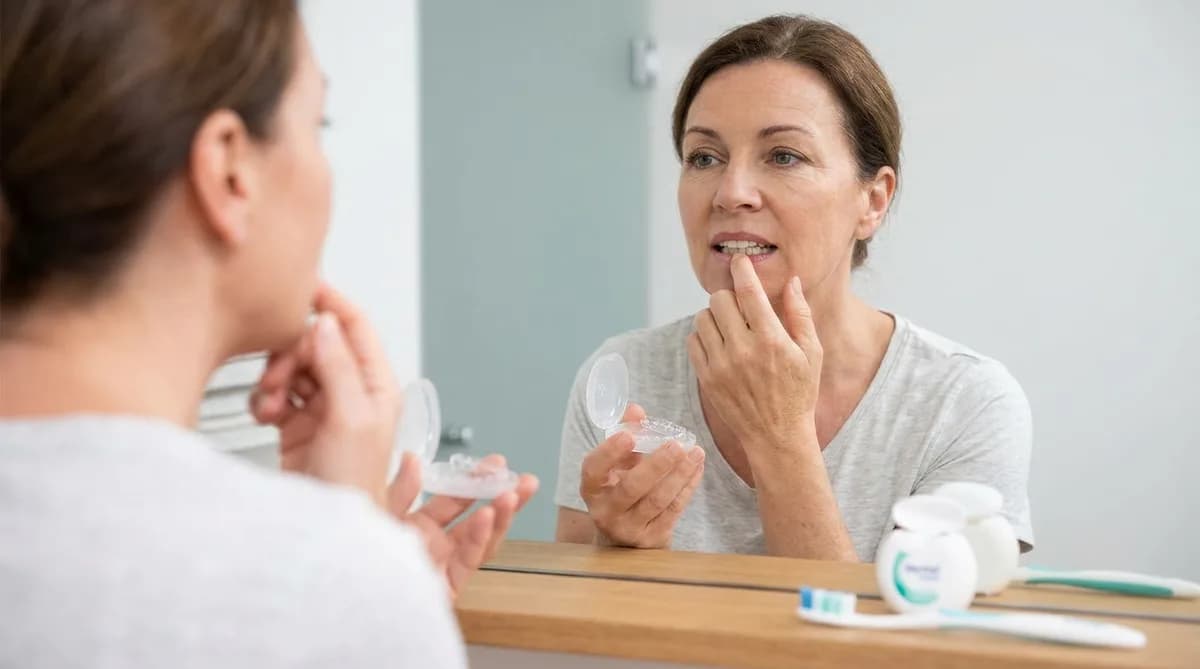
If you have noticed that your teeth are shifting as an adult and you are well past the braces-and-retainer years, you are not imagining it. Teeth shifting in adults is real, common, and tends to accelerate with age rather than stabilize. Most people assume that teeth stay put once they are fully grown in, but the truth is that teeth are held in place by a balance of forces that shifts throughout life, and that balance is surprisingly easy to disrupt.
This guide explains why teeth shift in adults, which factors speed the process up, and what can be done about it. At Willow Family Dentistry in Wylie, TX, Dr. Esther B. Jeong addresses adult tooth movement regularly, whether patients come in asking about a widening gap, a tooth that seems lower than it used to be, or an old bite that has quietly changed.
Why Do Adult Teeth Shift Over Time?
Adult teeth shift over time because the forces acting on them are never fully static. Teeth are held in place by the periodontal ligament, a network of fibers connecting each root to the surrounding jawbone, and that structure responds continuously to pressure, bone changes, and the natural aging of the tissues around it. When those inputs change, the teeth move.
The most common drivers of adult tooth movement are the loss of a tooth, gum disease, and the natural forward drift that happens with age. Teeth have a built-in tendency to migrate toward the front of the mouth, a process called mesial drift, and while the pressure of the teeth on either side usually keeps this in check, that balance weakens over decades. Bone density changes, gum tissue recedes, and the ligaments holding teeth in place become less taut, all of which gives teeth more freedom to move.
According to research published through the National Library of Medicine, alveolar bone undergoes continuous remodeling throughout life, and that remodeling is directly influenced by the forces teeth experience. When those forces change, even subtly, the bone responds and teeth can shift. This is not a disease; it is the natural biology of the jaw responding to its lifetime of use.
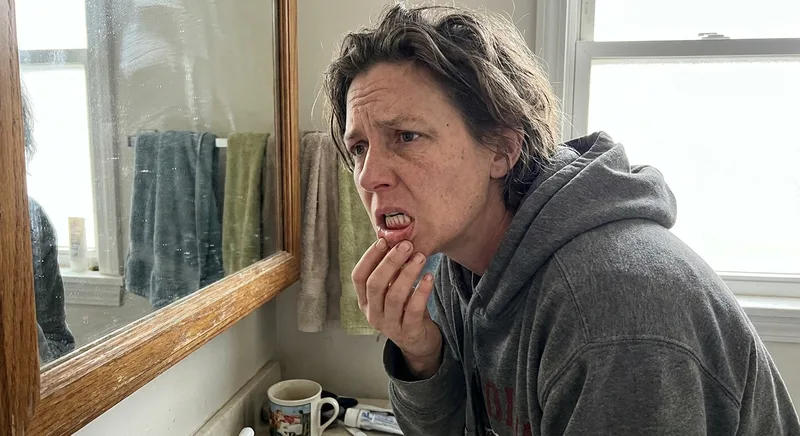
What Causes Teeth to Shift in Adults?
The main causes of teeth shifting in adults are retainer relapse after orthodontic treatment, gum disease and bone loss, missing teeth, aging, and habits like grinding or clenching. Each one works through a different mechanism, but all of them disrupt the balance of forces that keeps teeth in position. Most adult tooth movement has more than one contributing factor.
Understanding which cause applies to you matters because it shapes the solution. Here is how the main causes work:
- Retainer relapse: The most common cause of shifting after orthodontic treatment. Teeth have a memory of their original position and will drift back toward it if a retainer is not worn consistently. Even patients who wore braces or aligners years ago experience this if retention was interrupted.
- Gum disease: Gum disease causes inflammation and bone loss around the roots, which loosens the ligament holding teeth in place. Teeth in a weakened bone socket have more room to move and may flare outward or develop gaps. Our article on receding gums covers the gum disease connection in more detail.
- Missing teeth: When a tooth is lost, the neighboring teeth lose the lateral support that tooth provided. They can tip or drift into the gap over time. The opposing tooth may also super-erupt, moving vertically into the space. Our article on jawbone loss after tooth loss explains how the bone changes that follow tooth loss compound this movement.
- Grinding and clenching: Bruxism places abnormal forces on teeth and can cause them to shift, fan out, or wear unevenly over time.
- Natural aging: Bone and ligament changes with age reduce the resistance to mesial drift, and the lower front teeth in particular tend to crowd gradually over decades.
How Do You Know If Your Teeth Are Actually Shifting?
The signs that teeth are shifting in adults include new crowding or overlapping in teeth that used to be straight, a gap developing where one did not exist before, a change in how your bite feels when you close, and difficulty flossing in areas that used to be easy. Changes in speech or a loose-feeling tooth are more significant signs worth evaluating promptly.
Many people notice shifting first in the lower front teeth, which are particularly prone to crowding with age. A space developing between the upper front teeth, a classic diastema, is another common presentation, often associated with gum disease or the loss of a tooth further back in the arch. Our guide to gaps between front teeth explains when this is cosmetic and when it signals a deeper issue.
Not all tooth movement is visible in the mirror. Changes in bite, jaw fatigue, and uneven wear on the chewing surfaces can all signal shifting that is happening without a dramatic visual change. A dental exam with current X-rays is the most reliable way to identify movement and its cause.
Does Everyone's Teeth Shift With Age?
Yes, some degree of tooth movement with age is nearly universal. Research consistently shows that teeth continue to drift throughout adulthood, and that this movement is a normal biological process rather than a sign of disease. The practical question is not whether teeth will shift, but how much, how fast, and whether any contributing factors are accelerating the process.
Studies published in the dental literature show that roughly 70% of adults who had orthodontic treatment as children show some degree of incisor relapse by their mid-30s, according to research on long-term alignment stability, and lower incisor crowding occurs progressively through adulthood even in people who never had treatment. The natural mesial drift tendency, combined with the slight loss of bone support and ligament tension that comes with aging, means virtually no adult's bite at 50 looks exactly as it did at 20.
What varies is the degree. A patient with healthy gums, no missing teeth, and a consistent retainer habit will experience far less movement than one with gum disease, tooth loss, or a grinding habit. Managing those risk factors does not stop biological aging, but it significantly reduces how much the teeth move in response to it.
Can Teeth Shifting Be Stopped or Reversed?
Teeth shifting can be slowed or stopped by addressing the underlying causes, and the visible movement can be corrected with orthodontic treatment in most cases. Whether the goal is simply stopping further movement or restoring the original alignment, there are effective options for adults at any age.
For patients whose shifting is driven by gum disease, treating the disease comes first. Stabilizing bone and gum health does not reverse movement that has already occurred, but it removes the force driving further drift. Similarly, replacing a missing tooth stops the neighboring teeth from drifting and the opposing tooth from super-erupting.
For patients who want to correct the movement that has occurred, clear aligners are the most popular adult option. According to the American Dental Association's MouthHealthy resource, orthodontic treatment is effective at any age when the supporting bone and gum tissue are healthy. Our overview of Invisalign versus braces and our guide to adult braces options both cover the treatment paths in detail.
What Role Does a Retainer Play in Stopping Teeth From Shifting?
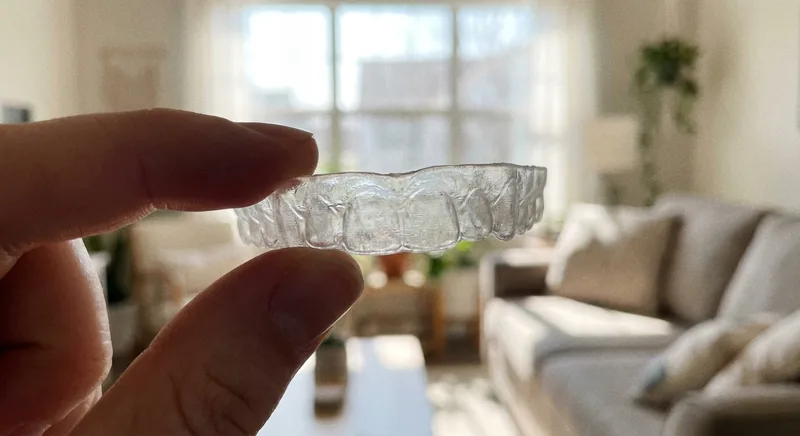
A retainer is the most important tool for preventing teeth from shifting after orthodontic treatment. It physically holds teeth in their corrected position while the bone and ligaments adapt to the new alignment, a process that takes months after braces or aligners are removed. Without consistent wear, teeth begin reverting almost immediately in the weeks after treatment ends.
Many adults who seek treatment for shifting teeth are doing so because retainer wear was inconsistent years after completing orthodontics. The longer the retainer has been out of regular use, the more movement may have occurred, and the more involved the correction. Long-term retainer wear after orthodontic treatment is increasingly considered the standard of care, not an optional afterthought.
If you have a retainer that no longer fits because your teeth have shifted, do not force it. A retainer that does not fit is telling you something has changed, and wearing a poor-fitting retainer can cause additional unwanted movement. Instead, have the shift assessed and a new plan made. Our guide on how long Invisalign takes gives a sense of what correcting relapse typically involves.
What Should You Do If Your Teeth Are Shifting?
If you suspect your teeth are shifting, the most important thing you can do is have them evaluated before the movement becomes significant. Small shifts are far easier and less involved to correct than years of accumulated drift. A current set of X-rays combined with a clinical exam gives your dentist a clear picture of what is happening, what is causing it, and how much has already changed.
If your teeth are shifting, the first step is a dental evaluation to identify the cause. Shifting that is driven by gum disease or bone loss needs that addressed before any cosmetic correction is considered. Shifting caused by a missing tooth is best treated by replacing the tooth, which also protects the jawbone. Movement without an obvious cause may simply be age-related drift, which clear aligners or a new retainer can address.
According to Healthline, most causes of teeth shifting in adults are treatable, and earlier intervention generally means simpler, less extensive correction. A small amount of early drift is far easier to address than years of accumulated movement.
Willow Family Dentistry in Wylie, TX sees adult patients for shifting teeth regularly. Whether your concern is a tooth that has moved since braces, new crowding in the lower front, or a gap that has appeared, Dr. Jeong can identify the cause and outline the right path forward, from gum treatment to aligners to replacement options.
Noticed your teeth moving?
Book an evaluation at Willow Family Dentistry in Wylie, TX. Dr. Jeong will identify what is driving the movement and walk you through your options, from gum care to clear aligners.
Explore clear alignersFurther Reading
Teeth shifting is connected to gum health, missing teeth, and orthodontic history. The articles below go deeper on each of these contributing factors and the treatment options available in Wylie, TX.
- Invisalign Candidacy: 7 Questions to Ask in Wylie, TX
- Invisalign Before and After: Real Results in Wylie, TX
- Dental Implants vs Bridges: Honest Pros and Cons
Results may vary. Please consult with Dr. Jeong for personalized treatment recommendations.
Dr. Esther B. Jeong, DDS
DDS · Willow Family Dentistry
Wylie family dentist with 15+ years of experience providing gentle, judgment-free dental care.
Frequently Asked Questions
Was this article helpful?
You may also like



Have a dental question?
Schedule a consultation and get personalized answers from Dr. Jeong.
Call us
(972) 881-0715
Hours
Mon – Thu: 9am – 5pm
Fri: By Appointment
Location
1125 W FM 544, Wylie
Emergency? Same-day appointments available.