Why Is One Tooth Darker? Discolored Dead Tooth Guide

Finding one tooth that looks darker than the rest can be unsettling. Most people assume it means something is seriously wrong, or they wonder whether standard whitening will fix it. The honest answer is: a single discolored or dead tooth that stands out from its neighbors is almost always telling you something specific about what is happening inside that tooth, and it usually needs a different kind of attention than surface staining. This guide explains the causes of a discolored dead tooth, what it means, and what can actually be done about it in Wylie, TX.
At Willow Family Dentistry, Dr. Esther B. Jeong evaluates discolored teeth every week. The right answer depends entirely on the cause, which is why the first step is always a proper diagnosis rather than a one-size-fits-all approach.
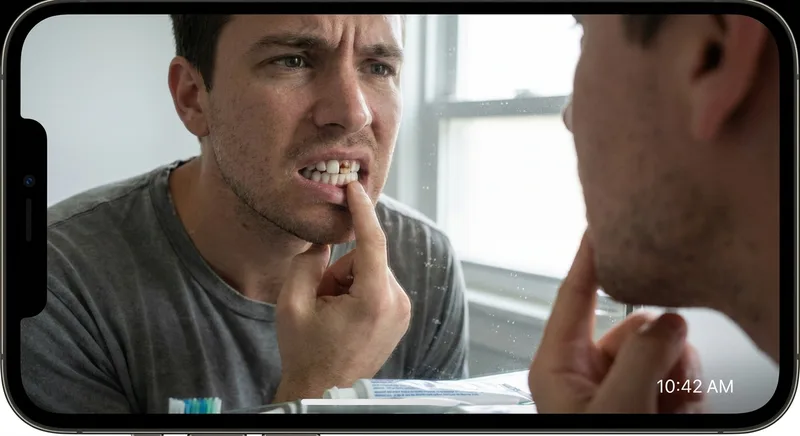
Why Is One Tooth Darker Than the Rest?
A single tooth that is darker than its neighbors is usually caused by internal changes rather than surface staining. The most common reasons are trauma to the tooth, pulp death, old metal restorations, or excessive mineral deposits inside the tooth structure. Unlike general staining from coffee or wine, which affects all teeth, a single dark tooth points to something localized inside that specific tooth.
According to research published through the National Library of Medicine, dental trauma affects roughly 1 in 4 adolescents and adults at least once in their lifetime, according to that research, and tooth discoloration is among the most frequent consequences when treatment is delayed. In one study of patients who delayed treatment after dental trauma, tooth discoloration was the most common presenting complaint at 53.65%, according to research in the National Library of Medicine. The darkening can develop weeks, months, or even years after the original injury, which is why patients are often surprised when a tooth they bumped years ago suddenly starts looking different.
The color of the discoloration itself is often a clue to the cause. A yellow or creamy tint typically suggests mineral buildup inside the tooth. A gray, brown, or black color usually indicates internal bleeding, pulp death, or dead tissue breaking down. Pink discoloration is rarer and can signal internal resorption, where the tooth is slowly dissolving from within.
What Is a Dead Tooth and What Causes It?
A dead tooth is one in which the pulp, the soft inner tissue containing nerves and blood vessels, has died or stopped functioning. The tooth itself may still be physically present and structurally intact, but without a living pulp, it darkens over time as the internal tissue breaks down. A dead tooth does not always hurt, which is one reason patients often do not realize there is a problem until the color change becomes noticeable.
The two most common causes of a dead tooth are trauma and untreated decay. A blow to the tooth, even a minor one from years earlier, can rupture the blood vessels inside the pulp. Research published through the National Library of Medicine found that dental trauma affects roughly 11% to 33% of boys and 3% to 19% of girls before the age of 12, according to epidemiological studies, making early-life injury a common root cause of adult tooth discoloration. The trapped blood breaks down and stains the dentin from the inside, progressively darkening the tooth. A cavity that reaches the pulp causes a similar process, the pulp becomes infected or dies, and the tooth changes color as the tissue degrades.
Other causes include deep cracks, repeated dental procedures on the same tooth, and in some cases, orthodontic treatment that shifts a tooth too aggressively. In each case the mechanism is the same: the blood supply to the pulp is interrupted or overwhelmed, and the living tissue inside the tooth can no longer sustain itself.
Can You Whiten a Discolored or Dead Tooth?
Standard whitening does not work on a discolored dead tooth because the color is inside the tooth structure, below the enamel where bleaching gels cannot reach. Internal bleaching, a procedure performed after root canal treatment, is the appropriate option for teeth darkened from within. Standard whitening does not work on a dead or internally discolored tooth. Whitening treatments work by bleaching the surface stains on the enamel, but internal discoloration is inside the tooth structure, underneath the enamel, where topical bleaching agents cannot reach. Applying a whitening tray to a darkened tooth caused by pulp death will leave it looking exactly the same.
There is, however, a procedure called internal bleaching, or walking bleach, which is specifically designed for internally discolored teeth. In this technique, the tooth is opened from the back, the dead pulp tissue is removed if a root canal has not already been performed, and a bleaching agent is placed inside the tooth and sealed in for several days. The process may be repeated over multiple visits until the desired shade is reached. Results vary, and not every tooth responds the same way.
According to WebMD, not all tooth discoloration responds to bleaching, and the underlying cause must be identified and treated before any esthetic work is considered. Internal bleaching is only appropriate after the tooth has been assessed for infection, root resorption, and structural soundness. It is not a substitute for treatment, it is a step that follows it.
When Is a Crown the Right Answer for a Dark Tooth?
A crown is usually the right answer when the tooth has already had a root canal, when internal bleaching did not achieve enough lightening, or when the tooth is structurally weakened and needs protection. A crown covers the entire visible tooth, restoring its color and protecting the remaining structure at the same time. For a dead tooth that needs long-term rehabilitation, a crown combined with a root canal is the most durable solution.
The sequence matters. A root canal addresses the dead or infected pulp and removes the source of further darkening. Internal bleaching, if appropriate, may follow to lighten the tooth before the final crown is placed. Alternatively, a crown is placed directly if bleaching is not indicated or not expected to produce enough change. The whole plan is determined by the extent of discoloration, the condition of the root, and how much natural tooth structure remains.
Veneers are another option for teeth that are structurally sound but cosmetically compromised. If the darkened tooth has been successfully treated and only the color remains a concern, a veneer can mask the discoloration with minimal removal of tooth structure. Our comparison of veneers versus bonding explains how these options differ in terms of durability and preparation.
What Happens If You Leave a Dead Tooth Untreated?
Leaving a dead or discolored dead tooth untreated increases the risk of infection, abscess, and bone loss in the surrounding jaw. A tooth with dead pulp creates a closed environment where bacteria can grow unchecked, and that process is not self-resolving without treatment. Complications typically grow more serious and more involved the longer they are ignored. A tooth with dead pulp becomes a closed environment where bacteria can grow, and without treatment that environment is not self-resolving. What starts as a cosmetic issue can progress into an abscess, bone loss, or a dental emergency that is far more involved to treat.
According to the National Institute of Dental and Craniofacial Research, untreated tooth decay and pulp infections can lead to serious complications affecting surrounding structures. The tooth itself may remain in place for some time, but the longer the infected or necrotic pulp goes untreated, the higher the risk that the surrounding bone and tissue will be affected.
This is why a darkened tooth, even if it is not causing pain, is worth having evaluated. Pain is not a reliable indicator of severity when it comes to dead teeth. Many people with significant pulp problems report little or no discomfort because the nerves inside the tooth have died along with the rest of the pulp. The absence of pain does not mean the absence of a problem.
How Is a Discolored Tooth Diagnosed in Wylie, TX?
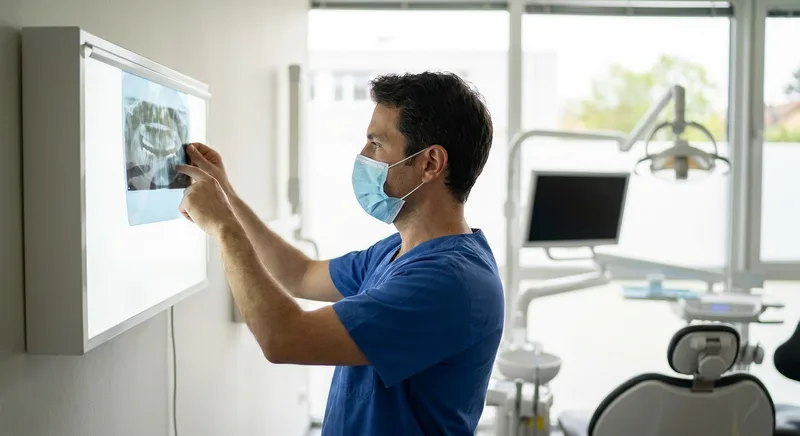
Diagnosing a discolored or dead tooth involves a clinical exam, dental X-rays, and pulp vitality tests to determine whether the pulp is still alive. Together, these tools reveal whether the darkening is cosmetic, structural, or the result of infection, and that distinction drives the entire treatment plan. Diagnosing a discolored tooth involves a clinical exam, dental X-rays, and sometimes additional tests to assess whether the pulp is still alive. A cold or electric pulp test can determine whether the tooth still responds to stimulation. X-rays reveal changes in the bone around the root, periapical pathology, and the condition of the root structure itself. Together, these tools give the dentist a complete picture.
The most important thing to understand is that a single dark tooth should always be evaluated rather than assumed to be cosmetic. Patients sometimes come in asking only about whitening, but after a proper assessment it turns out the tooth needs a root canal or further monitoring. The diagnosis shapes everything that follows, which is why skipping directly to cosmetic treatment without an exam first is not the right approach.
At Willow Family Dentistry, Dr. Jeong takes this kind of evaluation seriously. If a darkened tooth turns out to need restorative treatment, she can coordinate the full care plan, from root canal to crown or veneer, in one practice. If the situation is purely cosmetic, a targeted cosmetic plan is built around that. For patients exploring broader cosmetic options, our guide on choosing a cosmetic dentist in Wylie is a helpful next step.

What Should You Do If You Notice a Dark Tooth?
Book a dental evaluation rather than waiting to see whether the color improves. A darkened tooth will not lighten on its own, and the underlying cause needs professional diagnosis. The sooner it is assessed, the more conservative the treatment options tend to be. You should book a dental evaluation rather than waiting to see if the discoloration improves on its own. A darkened tooth will not lighten by itself. The underlying cause, whether it is pulp death, old material, or internal staining, needs a dentist to identify and address it. Early evaluation leads to simpler, more conservative treatment.
In the meantime, avoid trying to whiten the tooth with over-the-counter products, since these will not address the cause and may irritate surrounding tissue. If the tooth becomes painful, develops swelling, or you notice a small bump on the gum near the root, treat that as more urgent and contact the office promptly. Those signs suggest an active infection that needs attention right away.
Willow Family Dentistry serves families throughout Wylie and the surrounding North Texas communities. Whether your concern is a recently darkened tooth or one that has been discolored for years, Dr. Jeong can evaluate the cause and lay out the right path forward. Our overview of what a smile makeover involves and our article on cracked tooth syndrome may also be relevant if your dark tooth came from an old injury or crack.
Noticed one tooth looking darker than the rest?
Book an evaluation at Willow Family Dentistry in Wylie, TX. Dr. Jeong will identify the cause and walk you through your options, from internal bleaching to crowns and veneers.
Explore cosmetic dentistryFurther Reading
A discolored or dead tooth is one piece of the larger picture of tooth health and cosmetic care. The articles below go deeper on related treatments and conditions that often connect to tooth darkening.
- Dental Bonding: What to Expect and How Long It Lasts
- How to Fix a Chipped Tooth: Wylie, TX Repair Guide
- Gummy Smile: What Causes It and How It's Treated
Results may vary. Please consult with Dr. Jeong for personalized treatment recommendations.
Dr. Esther B. Jeong, DDS
DDS · Willow Family Dentistry
Wylie family dentist with 15+ years of experience providing gentle, judgment-free dental care.
Frequently Asked Questions
Was this article helpful?
You may also like
Have a dental question?
Schedule a consultation and get personalized answers from Dr. Jeong.
Call us
(972) 881-0715
Hours
Mon – Thu: 9am – 5pm
Fri: By Appointment
Location
1125 W FM 544, Wylie
Emergency? Same-day appointments available.