Toothache at Night: Why It Gets Worse and How to Get Relief
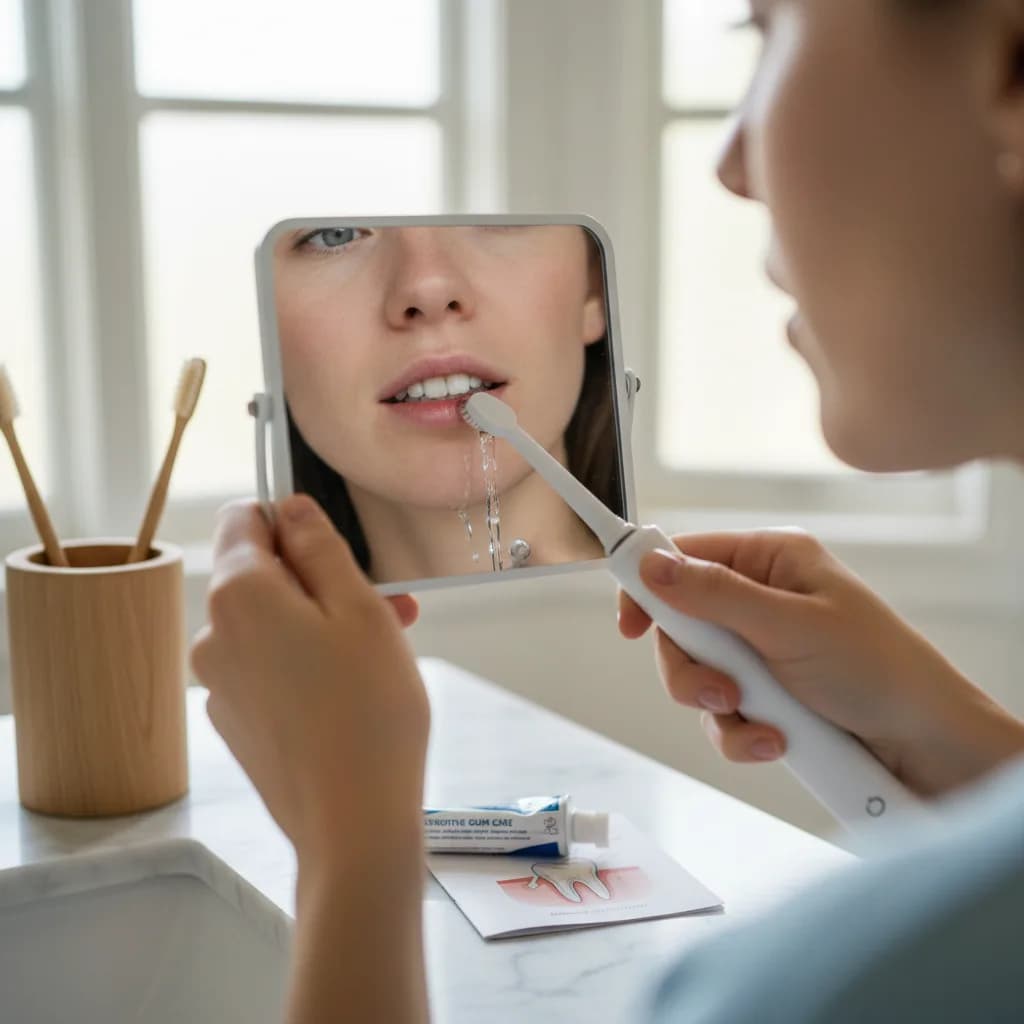
A toothache at night is a different experience from the same pain during the day. The dull ache you managed to ignore while busy at work becomes a throbbing, pulsing presence the moment your head hits the pillow. It wakes you at 2 AM. It won't respond to the position changes that help a sore back. And it gets worse, not better, as the hours pass. You're not imagining the escalation. There are specific physiological reasons why dental pain intensifies at night, and understanding them helps you manage the situation until you can reach Dr. Esther Jeong at Willow Family Dentistry in Wylie, TX in the morning.
The ADA classifies severe dental pain as an urgent condition that warrants prompt evaluation. If you're reading this at 11 PM with a throbbing tooth, this guide gives you the science behind what's happening, six evidence-based relief options to get you through the night, and clear guidance on when to call for emergency care versus when to schedule a morning appointment.
Why Does a Toothache Get Worse at Night?
The nighttime escalation isn't psychological. Four physiological mechanisms converge to make dental pain objectively worse when you lie down.
Increased Blood Flow When You Recline
This is the primary driver. When you're upright during the day, gravity helps drain blood from your head. When you lie flat, blood pools in the head and neck, increasing pressure in the blood vessels that supply the teeth and surrounding tissue. If a tooth is inflamed (from a cavity reaching the nerve, an abscess forming, or a cracked tooth irritating the pulp), the increased blood flow delivers more inflammatory mediators to the site and physically increases pressure inside the rigid confines of the tooth. According to the Mayo Clinic, positional blood flow changes are the most significant factor in nighttime dental pain escalation. The pulp chamber inside a tooth is a closed space surrounded by hard dentin. When inflammation increases blood flow to the pulp, the pressure has nowhere to go. That building pressure stimulates the nerve fibers intensely.
Fewer Distractions
During the day, work, conversations, meals, screens, and movement occupy your sensory bandwidth. Pain competes for your attention and often loses. At night, the distractions disappear. The room is dark, the house is quiet, and there's nothing to process except the signal from your tooth. The pain hasn't increased. Your brain's allocation of attention to it has. According to pain research, sensory gating (the brain's ability to filter pain signals) diminishes during nighttime rest, making pain signals feel louder even when the inflammation level is unchanged.
Lower Cortisol at Night
Cortisol, your body's natural anti-inflammatory hormone, follows a circadian rhythm. Levels peak in the early morning (helping you wake up) and drop to their lowest between midnight and 4 AM. That trough coincides precisely with when nighttime toothache peaks. Lower cortisol means less natural inflammation suppression, allowing the pain signals from an inflamed tooth to transmit with less dampening. The endocrine research behind this is well-established: cortisol depletion at night amplifies inflammatory pain across all body systems, not just dental.
Nighttime Clenching and Grinding
Many people clench or grind during sleep without knowing it. If the aching tooth is already compromised (cracked, infected, or deeply decayed), the additional force from nocturnal bruxism hammers the weakened structure and inflames the nerve further. The clenching can also cause referred pain: a tooth that aches mildly during the day becomes severely painful at night because 6 hours of unconscious grinding load it beyond its tolerance. According to the ADA, bruxism-related toothache is frequently underdiagnosed because the patient doesn't realize they're grinding.
Related: Grinding may be the hidden cause. → Custom Night Guards: Stop Teeth Grinding for Good
What Causes the Toothache in the First Place?
The nighttime escalation amplifies whatever's causing the base-level pain. Identifying the likely cause helps you decide urgency.
Deep cavity reaching the nerve. A cavity that's progressed through enamel and dentin into the pulp chamber triggers inflammatory pulpitis. The pain is sharp, may linger after cold or hot, and worsens with pressure. This is the most common cause of a toothache that suddenly gets severe at night.
Dental abscess. An infection at the root tip creates a pocket of pus that generates constant, throbbing pressure. Abscess pain is typically continuous rather than triggered by eating or temperature. Facial swelling, a bump on the gum near the tooth root, and fever are additional signs. An abscess is a dental emergency that requires drainage and antibiotics.
Cracked tooth. A crack that extends into the dentin or pulp produces sharp pain on biting and temperature sensitivity. The nighttime escalation comes from clenching against the crack during sleep. According to clinical data, cracked teeth are the most commonly missed diagnosis in patients presenting with intermittent toothache that worsens at night.
Gum infection (pericoronitis or periodontal abscess). Inflammation in the gum tissue around a tooth produces aching, swelling, and a bad taste. Partially erupted wisdom teeth are a frequent site. The pain worsens at night because lying down increases blood flow to the already-inflamed tissue.
Sinus pressure. Upper back teeth sit directly beneath the maxillary sinus. Sinus congestion from allergies or a cold pushes down on the tooth roots, mimicking a toothache. The pain is dull, affects multiple upper teeth simultaneously, and worsens when you bend forward or lie down. If the "toothache" coincides with nasal congestion and face pressure, sinus involvement is likely.
Related: Identifying and diagnosing cracked teeth. → Cracked Tooth Syndrome: Symptoms and Treatment
How to Get Relief from a Toothache at Night
These six options are evidence-based strategies to reduce the pain enough to sleep until you can see Dr. Jeong in the morning. They manage symptoms. They don't treat the underlying cause.
1. Elevate Your Head
Stack two pillows or use a wedge pillow to keep your head elevated at 30-45 degrees. This simple position change reduces blood pooling in the head, lowers pressure in the inflamed pulp, and directly counters the primary mechanism that makes the toothache worse at night. Many patients report noticeable relief within minutes of elevating. It's the highest-impact, zero-cost intervention available.
2. Take Ibuprofen and Acetaminophen Together
This combination is more effective than either medication alone. Ibuprofen (400-600mg) reduces inflammation at the source. Acetaminophen (500-1000mg) blocks pain signal processing in the brain. They work through different pathways and don't interact negatively when taken at the same doses. The ADA and the American Dental Association's evidence-based guidelines identify the ibuprofen-acetaminophen combination as more effective for dental pain than prescription opioids in most cases. Take ibuprofen with food or milk to reduce stomach irritation.
3. Apply a Cold Compress Externally
Wrap ice or a frozen gel pack in a cloth and hold it against the outside of your cheek over the painful tooth. Twenty minutes on, twenty minutes off. The cold constricts blood vessels in the area, reducing blood flow to the inflamed tissue and providing temporary numbing. Don't place ice directly on the skin (frostbite risk) and don't place ice directly on the tooth (thermal shock can worsen the pain dramatically if the nerve is exposed).
4. Saltwater Rinse
Dissolve 1/2 teaspoon of salt in 8 ounces of warm water and rinse gently around the painful tooth for 30 seconds. Salt water draws fluid out of inflamed tissue through osmosis, temporarily reducing swelling and pressure. It also has mild antimicrobial properties that help if the pain involves a gum infection or abscess. Repeat every 2-3 hours as needed. According to dental care guidelines, warm salt water is the safest and most universally recommended home rinse for dental pain.
5. OTC Numbing Gel (Benzocaine)
Products like Orajel or Anbesol contain 10-20% benzocaine, a topical anesthetic that numbs the gum tissue on contact. Apply a small amount directly to the gum around the painful tooth with a clean finger or cotton swab. Relief takes 1-2 minutes and lasts 30-60 minutes. Reapply as needed but follow package directions for maximum daily use. Benzocaine addresses surface pain effectively but doesn't reach deep pulpal pain.
6. Clove Oil (Eugenol)
Clove oil contains eugenol, the same active compound Dr. Jeong uses in the medicated dressings for dry socket. Apply one drop to a small cotton ball and hold it gently against the painful tooth for 5-10 minutes. Eugenol has both analgesic and mild antimicrobial properties. The taste is strong and medicinal. Don't swallow the oil and don't apply it directly to the gum tissue in large amounts (it can cause chemical irritation). According to the ADA, eugenol has been used in dentistry for over a century and remains one of the most effective topical dental pain relievers available without a prescription.
Made It Through the Night?
Call Dr. Jeong's office at (972) 881-0715 first thing in the morning. She reserves same-day slots for urgent dental pain. The sooner the cause is identified, the simpler the treatment.
Request an Emergency Appointment →When Is a Toothache at Night a Dental Emergency?
Most nighttime toothaches can wait until the morning with home management. But certain symptoms indicate a situation that needs immediate attention, tonight if possible, or first thing tomorrow at the latest.
Call for same-day or next-morning emergency evaluation when you see facial swelling extending beyond the gum (swollen cheek, under the jaw, or around the eye). Swelling indicates the infection has spread beyond the tooth into the surrounding tissue and may require drainage plus antibiotics to prevent further spread.
Fever above 101°F accompanying the toothache. Fever signals systemic infection. A tooth abscess with fever means bacteria have entered the bloodstream or the infection is advancing into deeper tissue planes. The ADA classifies dental infection with fever as an urgent condition requiring prompt antibiotic treatment.
Difficulty swallowing or opening your mouth. These symptoms indicate the infection or swelling has involved the muscles and tissue planes of the throat or jaw. Difficulty swallowing (dysphagia) from a dental infection is rare but serious: it can indicate a developing Ludwig's angina (floor-of-mouth infection) that requires emergency hospital care.
Uncontrollable bleeding from a recent extraction site. If you had an extraction earlier that day and the site is actively bleeding through gauze despite 45 minutes of firm pressure, call for guidance. Most post-extraction bleeding slows with proper technique, but persistent heavy bleeding may need in-office intervention.
Trauma. A tooth knocked out, fractured, or displaced by an impact needs evaluation as soon as possible. Time is critical for reimplantation of knocked-out permanent teeth.
Emergency Signs: Don't Wait Until Morning
Facial swelling + fever + difficulty swallowing = call now or go to the ER. These signs indicate spreading infection. Call (972) 881-0715 for Dr. Jeong's emergency guidance.
Related: Home remedies to manage pain until your appointment. → Cavity Pain Relief: Manage It Until You See Your Dentist
What Will Dr. Jeong Do at the Emergency Visit?
The morning-after appointment is focused on two things: identify the cause and relieve the pain. Dr. Jeong takes a targeted X-ray (and iCAT 3D imaging if a crack or abscess is suspected), performs cold and percussion tests to localize the offending tooth, and determines whether the pain is coming from a deep cavity, abscess, crack, or gum infection.
Treatment depends on the diagnosis. A deep cavity reaching the nerve may need a root canal and crown. An abscess needs drainage (incision through the gum or access through the tooth) and antibiotics. A cracked tooth may need a crown or extraction depending on the crack's depth. A gum infection may need scaling and root planing or localized antibiotic therapy.
In most cases, Dr. Jeong can provide definitive pain relief at the first emergency visit, either by beginning treatment (starting the root canal, draining the abscess) or by prescribing targeted medication that addresses the specific cause rather than just masking the pain.
A toothache at night feels isolating and overwhelming, but the pain follows predictable physiology, the home remedies above are effective bridges to professional care, and the emergency triggers are specific enough to guide your decision about waiting versus seeking immediate help. If tonight is the night your tooth decided to announce itself, elevate your head, take ibuprofen plus acetaminophen, apply a cold compress, and call (972) 881-0715 first thing in the morning. Dr. Jeong keeps same-day emergency slots open at Willow Family Dentistry for exactly this situation.
Toothache Keeping You Up? Help Is Hours Away.
Dr. Jeong reserves same-day emergency slots for dental pain. Use the home remedies above tonight, then call first thing in the morning for definitive treatment.
Call (972) 881-0715 →Need same-day emergency dental care?
Request an emergency appointment →Dr. Esther B. Jeong, DDS
DDS · Willow Family Dentistry
Wylie family dentist with 15+ years of experience providing gentle, judgment-free dental care.
Frequently Asked Questions
Was this article helpful?
You may also like
Have a dental question?
Schedule a consultation and get personalized answers from Dr. Jeong.
Call us
(972) 881-0715
Hours
Mon – Thu: 9am – 5pm
Fri: By Appointment
Location
1125 W FM 544, Wylie
Emergency? Same-day appointments available.