Does Mouthwash Actually Work? A Dentist's Honest Take
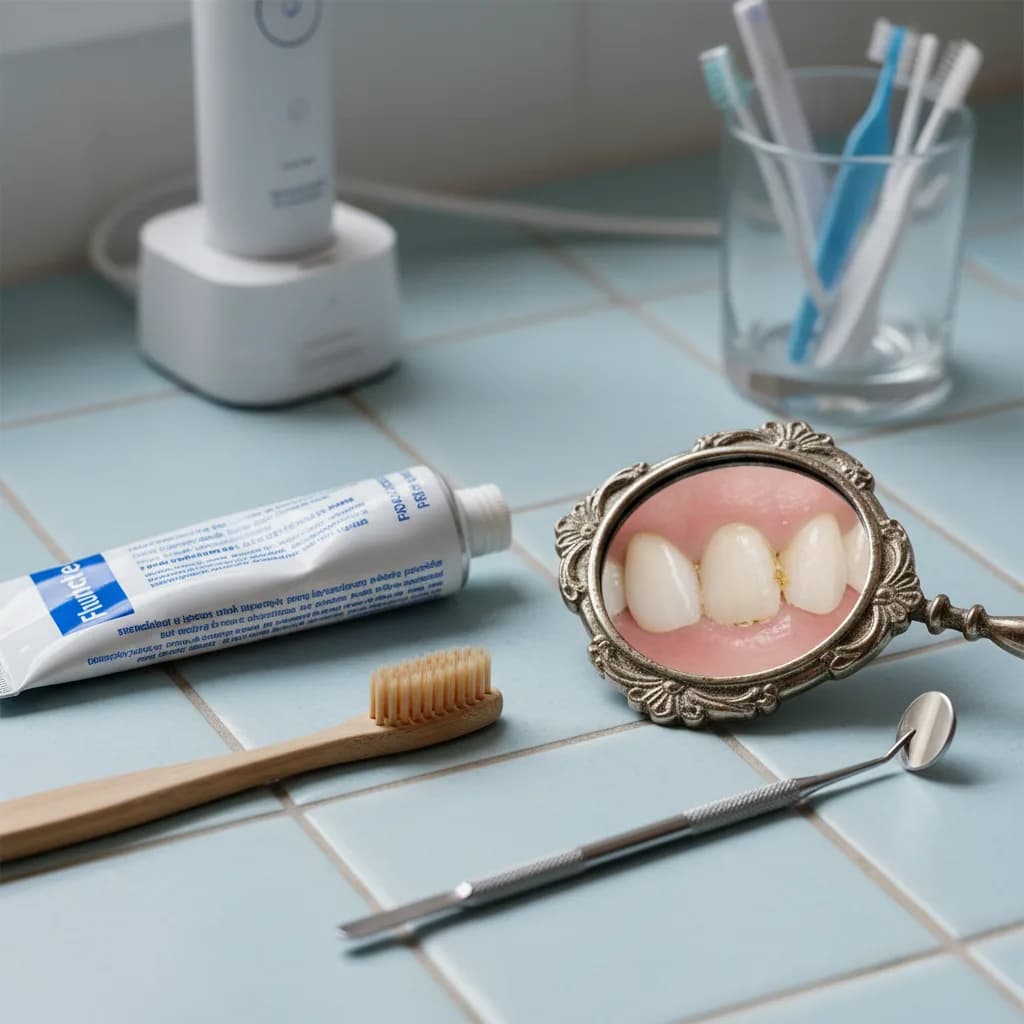
Does mouthwash work? The honest answer is: it depends on which mouthwash and what you're asking it to do. The distinction that most patients miss, and that most mouthwash marketing deliberately blurs, is the difference between cosmetic and therapeutic mouthwash. One temporarily freshens your breath. The other changes the microbial environment in your mouth in measurable, clinically meaningful ways. The ADA grants its Seal of Acceptance only to therapeutic mouthwashes that have submitted clinical evidence of benefit beyond temporary flavor. Most of the mouthwashes on the shelf at your grocery store don't have that Seal, and there's a reason.
Dr. Esther Jeong at Willow Family Dentistry in Wylie, TX prescribes specific mouthwashes for specific clinical situations: post-surgical healing, active gum disease, high cavity risk, and dry mouth. She doesn't recommend mouthwash as a routine add-on for patients with healthy mouths and good hygiene because the evidence doesn't support it as necessary for everyone. This guide explains what mouthwash can and can't do, which types actually work, and when Dr. Jeong recommends them.
What's the Difference Between Cosmetic and Therapeutic Mouthwash?
This is the single most important distinction in the entire mouthwash category, and it's the one the packaging obscures.
Cosmetic mouthwash temporarily reduces bacteria on oral surfaces and leaves a pleasant taste. The active ingredients are flavoring agents and low-concentration antimicrobials that don't persist in the mouth long enough to change bacterial populations meaningfully. The fresh feeling lasts 30-60 minutes. Plaque continues forming at the same rate. Gingivitis isn't affected. Cavity risk doesn't change. According to the ADA, cosmetic mouthwashes provide temporary breath freshening but no lasting therapeutic benefit.
Therapeutic mouthwash contains clinically active ingredients at concentrations proven to produce measurable changes in oral health outcomes: reduced plaque, reduced gingivitis, reduced cavity incidence, or reduced bacterial counts that persist beyond the rinse itself. These products have been tested in randomized controlled trials and have either received the ADA Seal of Acceptance or are FDA-approved for their claimed indication.
| Active Ingredient | Type | What It Does | Found In |
|---|---|---|---|
| Chlorhexidine (0.12%) | Therapeutic (Rx) | Strongest antimicrobial; reduces plaque 60%, gingivitis 50% | Peridex, PerioGard (prescription only) |
| Essential Oils (thymol, eucalyptol, menthol, methyl salicylate) | Therapeutic (OTC) | Reduces plaque 20-35%, gingivitis 20-35% with daily use | Listerine Antiseptic (ADA Seal) |
| Cetylpyridinium Chloride (CPC) | Therapeutic (OTC) | Mild antimicrobial; moderate plaque and gingivitis reduction | Crest Pro-Health, Scope |
| Fluoride (0.05% NaF) | Therapeutic (OTC) | Strengthens enamel, reduces cavity incidence; no antimicrobial effect | ACT Anticavity, many fluoride rinses |
| Hydrogen Peroxide (1.5-3%) | Cosmetic/Mild Therapeutic | Mild whitening, mild antimicrobial; limited clinical evidence | Colgate Peroxyl, various whitening rinses |
| Flavoring Only | Cosmetic | Temporary breath freshening; no plaque, gingivitis, or cavity benefit | Most store-brand "fresh breath" rinses |
Does Mouthwash Replace Brushing or Flossing?
No. This is the misconception that concerns Dr. Jeong the most. Mouthwash, even therapeutic mouthwash, is a supplement to mechanical cleaning, not a substitute. Plaque is a sticky bacterial biofilm that adheres to tooth surfaces through physical attachment. Rinsing a liquid over an adherent biofilm doesn't remove it the way a toothbrush scraping against the surface does. According to the Mayo Clinic, no mouthwash can replace the mechanical plaque disruption provided by brushing and flossing.
The essential oils in Listerine reduce plaque by 20-35%. That means 65-80% of the plaque remains on your teeth after rinsing. Chlorhexidine, the strongest antimicrobial rinse available, reduces plaque by approximately 60%. That still leaves 40% on your teeth. These are meaningful reductions that improve gum health, but they don't come close to the plaque removal achieved by a 2-minute brushing session with proper technique.
Patients who rinse with mouthwash instead of flossing because "it's easier" are getting the fresh taste without the interproximal cleaning their gums need. Mouthwash doesn't physically access the tight spaces between teeth the way floss or a water flosser does.
When Does Dr. Jeong Actually Prescribe Mouthwash?
Mouthwash earns its place in specific clinical situations where its properties address a defined problem.
Post-surgical healing. After extractions, gum surgery, implant placement, or any procedure where brushing the surgical site is restricted, chlorhexidine rinse (Peridex, 0.12%) keeps bacterial counts low during the healing window. Dr. Jeong prescribes it for 7-14 days post-operatively. It's the most common therapeutic mouthwash she prescribes and the most evidence-supported. According to the ADA, chlorhexidine reduces post-surgical infection risk and improves healing outcomes.
Active gingivitis or periodontitis. Patients undergoing scaling and root planing benefit from therapeutic mouthwash during the treatment phase. Chlorhexidine for the first 2 weeks, then an essential oil rinse (Listerine) or CPC rinse for ongoing maintenance. The rinse supplements the mechanical cleaning by reducing the bacterial load between hygiene visits.
High cavity risk. Patients who are developing new cavities despite adequate brushing (dry mouth patients, patients on sugary medications, patients with exposed root surfaces) benefit from a fluoride rinse like ACT Anticavity. The fluoride deposits on enamel and root surfaces, strengthening them against acid attacks. This is particularly valuable for patients with dry mouth who have lost saliva's natural fluoride delivery system.
Post-orthodontic care. Patients with braces or recently removed braces benefit from fluoride rinse to strengthen enamel that may have been challenged during treatment. The rinse reaches around brackets and into demineralization zones that are common after braces.
Patients who can't brush temporarily. Jaw wiring, severe oral injuries, and medical conditions that temporarily prevent normal brushing make therapeutic mouthwash the primary hygiene tool until brushing can resume.
Should You Use Alcohol or Alcohol-Free Mouthwash?
Traditional Listerine and many older therapeutic rinses contain 21-26% alcohol as a solvent for the active ingredients and as a mild antimicrobial itself. The alcohol creates the intense burning sensation that many patients associate with "working." That burning isn't therapeutic. It's irritation.
Alcohol-free formulations have become the standard recommendation for most patients. According to the ADA, alcohol-free therapeutic mouthwashes are equally effective as their alcohol-containing counterparts for plaque and gingivitis reduction. The essential oils or CPC do the antimicrobial work. The alcohol is a delivery vehicle, not the active ingredient, and modern formulations have found effective alternatives.
Dr. Jeong specifically recommends alcohol-free mouthwash for patients with dry mouth (alcohol exacerbates dryness by further dehydrating oral tissue), patients with oral mucositis or canker sores (alcohol irritates damaged tissue), recovering alcoholics (alcohol-containing rinses can trigger cravings), and children under 12 (swallowing risk). For the general population, alcohol-free is preferable because it provides the same benefit without the tissue irritation, and patients use it more consistently because it doesn't burn.
Related: Dry mouth makes mouthwash choice critical. → Dry Mouth at Night: Causes, Risks, and Solutions
What Mouthwash Can't Do (Despite What the Bottle Says)
The marketing claims on mouthwash packaging are carefully worded to imply benefits that aren't clinically supported. Here's what mouthwash genuinely cannot do.
Cure bad breath. Mouthwash masks bad breath for 30-60 minutes. If your bad breath is caused by gum disease, tongue coating, dry mouth, or a systemic condition, the rinse addresses none of those causes. The fresh taste fades and the odor returns. Chronic bad breath (halitosis) requires identifying and treating the source, not masking it with menthol.
Whiten teeth meaningfully. Hydrogen peroxide rinses at 1.5-3% provide minimal whitening that's clinically imperceptible in most cases. The concentration is far too low and the contact time far too short (30-60 seconds of rinsing vs 30-60 minutes of professional whitening tray contact) to produce visible shade change. Whitening rinses create the perception of cleanliness through the fresh taste, not through actual color change.
Replace professional cleanings. No amount of rinsing removes calculus (tarite) that has mineralized on tooth surfaces. Calculus requires physical scaling with professional instruments. Mouthwash can slow the rate of new calculus formation by reducing plaque, but it can't dissolve what's already hardened.
Heal cavities or gum disease. Fluoride rinse can remineralize early enamel lesions (white spots) and prevent new cavities. It can't reverse a cavity that has formed a physical hole in the tooth. Antimicrobial rinse can reduce the bacterial challenge driving gum disease. It can't reverse bone loss that has already occurred. The rinse is preventive and supportive, not curative.
Want Personalized Oral Hygiene Advice?
Dr. Jeong recommends mouthwash only when it addresses a specific need. At your cleaning, she'll evaluate whether a therapeutic rinse would benefit your oral health or whether your current routine is sufficient.
Request an Appointment →Related: Another dental trend that needs honest evaluation. → Oil Pulling for Teeth: What Science Actually Says
Does mouthwash work? Therapeutic mouthwash with clinically active ingredients (chlorhexidine, essential oils, fluoride) works for specific purposes: reducing plaque and gingivitis, protecting against cavities, and supporting post-surgical healing. Cosmetic mouthwash freshens your breath for an hour and does nothing else. Neither replaces brushing and flossing. The distinction between the two is the most important thing you can learn about the mouthwash aisle, and it's the thing the packaging tries hardest to obscure. If you're unsure whether a mouthwash would benefit your specific situation, ask Dr. Jeong at your next visit to Willow Family Dentistry. She'll give you the honest answer, even if it's "you don't need one."
Honest Answers About What Your Teeth Actually Need
Dr. Jeong builds your hygiene routine around evidence, not marketing. If mouthwash helps your situation, she'll recommend the right one. If it doesn't, she'll tell you that too.
Request an Appointment →Questions about your oral hygiene routine?
Call (972) 881-0715 →Dr. Esther B. Jeong, DDS
DDS · Willow Family Dentistry
Wylie family dentist with 15+ years of experience providing gentle, judgment-free dental care.
Frequently Asked Questions
Was this article helpful?
You may also like
Have a dental question?
Schedule a consultation and get personalized answers from Dr. Jeong.
Call us
(972) 881-0715
Hours
Mon – Thu: 9am – 5pm
Fri: By Appointment
Location
1125 W FM 544, Wylie
Emergency? Same-day appointments available.