Oil Pulling Teeth Benefits: What Science Actually Says
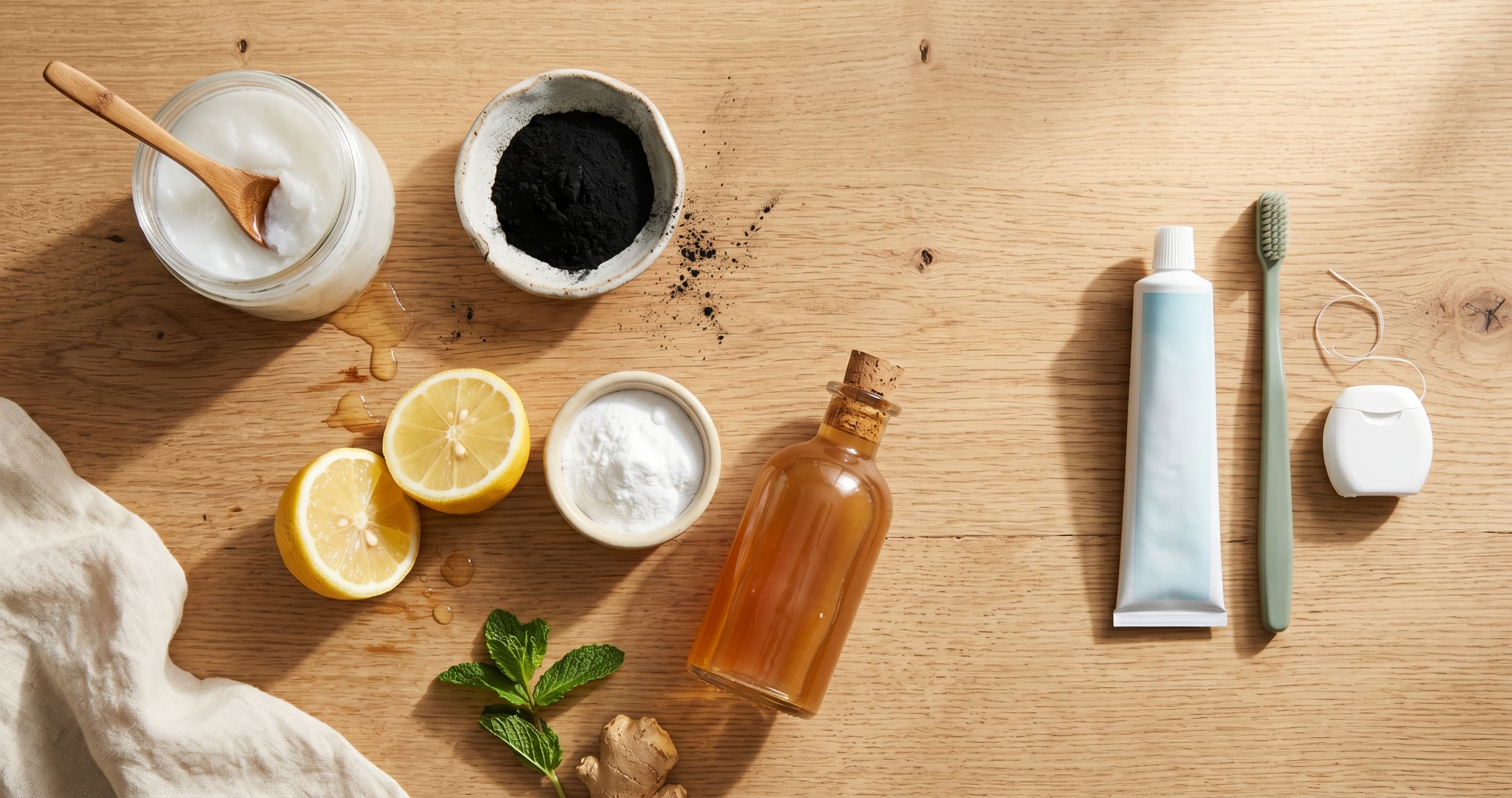
Search "oil pulling teeth benefits" and you'll find thousands of posts promising whiter teeth, healthier gums, and a detoxified body, all from swishing coconut oil for 20 minutes a day. The claims sound convincing. The before-and-after photos look dramatic. But when you dig into the clinical evidence, the picture changes. This article takes the most popular dental wellness trends, oil pulling, charcoal toothpaste, DIY whitening, and even the "flossing is useless" myth, and measures each one against what the research actually supports.
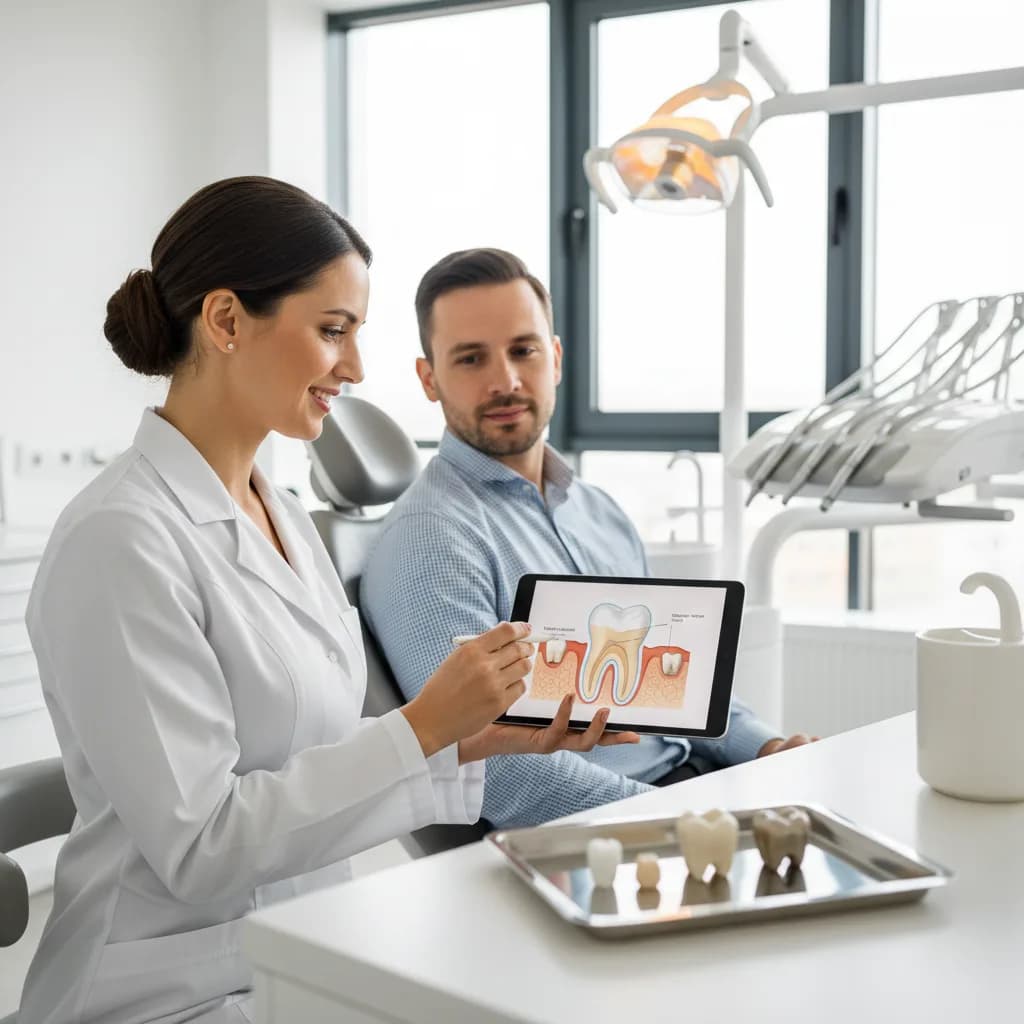
Dr. Esther Jeong at Willow Family Dentistry in Wylie, TX hears these questions regularly. Patients bring in TikTok videos and Instagram posts asking, "Is this real?" Her approach isn't to dismiss the curiosity. It's to separate what's supported by evidence from what's driven by marketing.
Why Are Dental Wellness Trends So Popular Right Now?
Social media has made everyone a health advisor. A 30-second video of someone swishing oil or brushing with charcoal gets 10 million views, and suddenly it's "proven" in the minds of viewers who never see the follow-up study that contradicts the claim. The algorithm rewards confidence and novelty, not accuracy.
The appeal makes sense. Professional dental care costs money and takes time. A $12 jar of coconut oil or a $9 tube of charcoal toothpaste feels like a shortcut, especially when the person promoting it has great teeth and a million followers. But dental health isn't an area where shortcuts work. The CDC reports that nearly 1 in 4 adults in the US has untreated tooth decay. That number isn't going down because people found a hack. It's going down because of fluoride, professional cleanings, and evidence-based home care.
Bringing these questions to your dentist is exactly the right move. Dr. Jeong would rather spend two minutes discussing a trend honestly than have a patient replace their fluoride toothpaste with something that doesn't work and show up six months later with three new cavities.
Does Oil Pulling Actually Benefit Your Teeth?
Oil pulling involves swishing a tablespoon of oil (usually coconut or sesame) in your mouth for 15-20 minutes, then spitting it out. The practice comes from Ayurvedic medicine and has been used for centuries. The modern claim is that it "pulls" toxins from your body, whitens teeth, prevents cavities, and treats gum disease. Here's what the evidence says about each of those claims.
There is some evidence that oil pulling modestly reduces certain oral bacteria, specifically Streptococcus mutans, the primary bacterium behind tooth decay. A small number of studies, most with fewer than 30 participants, found reductions comparable to chlorhexidine mouthwash. That sounds impressive until you consider the study quality: small sample sizes, short durations, no long-term follow-up, and significant methodological limitations.
The ADA has reviewed the available research and concluded that there is insufficient evidence to recommend oil pulling as a supplement to standard oral care, let alone a replacement for it. No evidence supports claims that it whitens teeth. No evidence shows it prevents cavities when compared to brushing with fluoride toothpaste. No evidence demonstrates it can treat or reverse gum disease.
What Dr. Jeong tells patients who ask: it probably won't cause harm if you enjoy doing it, but it doesn't replace brushing, flossing, or professional cleanings. Twenty minutes of swishing oil would be better spent actually brushing for two full minutes and flossing for one. That three-minute routine has decades of evidence behind it. Oil pulling doesn't.
Related: If your gums bleed, the cause is likely plaque, not a lack of oil pulling. → Why Do Gums Bleed When Brushing?
Is Charcoal Toothpaste Good for Your Teeth?
Charcoal toothpaste is one of the most aggressively marketed dental products on social media, and one of the most problematic. The pitch is simple: activated charcoal absorbs stains and whitens teeth naturally. The reality is more complicated and potentially damaging.
Activated charcoal is abrasive. It removes surface stains by physically scrubbing them off the enamel, which creates a temporary whitening effect. But that abrasion also removes enamel itself, the hard outer layer that protects your teeth from decay and sensitivity. Enamel doesn't grow back. Once it's worn down, you're left with a thinner, weaker, more yellow-looking tooth (dentin, the layer under enamel, is naturally yellow). So charcoal toothpaste can actually make your teeth look worse over time while increasing sensitivity.
The ADA has not granted its Seal of Acceptance to any charcoal toothpaste product. A review published in the Journal of the American Dental Association found insufficient evidence to support the safety or effectiveness of charcoal-based dentifrices and raised concerns about enamel abrasion and the absence of fluoride in most formulations.
If you want whiter teeth, safer options exist. Professional whitening uses peroxide-based gels that lighten tooth color without removing enamel. Over-the-counter whitening strips with the ADA Seal also work for mild staining. Both are backed by extensive safety data. Charcoal isn't.
Related: Compare your whitening options properly. → Teeth Whitening Wylie TX: Professional vs At-Home Guide
What About DIY Whitening With Baking Soda or Lemon Juice?
Baking soda and lemon juice are two of the most common DIY whitening remedies circulating online. One is relatively harmless. The other is actively destructive. They don't belong in the same category, and they definitely don't belong in the same recipe.
Baking Soda
Baking soda (sodium bicarbonate) is a mild abrasive that can remove light surface stains when used occasionally. Some commercial toothpastes include it as an ingredient, and the ADA considers these products safe when they carry the Seal of Acceptance. The limitation is that baking soda alone doesn't contain fluoride, which is the most important ingredient in any toothpaste for cavity prevention. Using straight baking soda as your daily toothpaste means you're cleaning your teeth but not protecting them. For patients who want to use it, Dr. Jeong recommends doing so once or twice a week as a supplement, not a replacement for fluoride toothpaste.
Lemon Juice and Apple Cider Vinegar
Never. Full stop. Lemon juice has a pH around 2, which is acidic enough to dissolve tooth enamel on contact. Apple cider vinegar isn't much better at pH 3. Brushing with either one, or holding it in your mouth as a "rinse," chemically erodes the enamel surface. This isn't gradual. You can cause measurable enamel loss in a matter of weeks with regular citric acid exposure. The erosion is irreversible and leads to increased sensitivity, yellowing (as enamel thins and dentin shows through), and higher cavity risk.
If someone online tells you to brush with lemon juice for whiter teeth, they're recommending something that will make your teeth weaker, more sensitive, and eventually more yellow. The exact opposite of the promised result.
Want Whiter Teeth the Safe Way?
Dr. Jeong offers professional whitening that lightens teeth without stripping enamel. Results in about two weeks with custom take-home trays.
Request an Appointment →Do You Really Need to Floss? (Yes.)
In 2016, an Associated Press investigation reported that the evidence supporting flossing was "weak" and "unreliable." The story went viral. People celebrated. Dentists cringed. And the nuance got lost entirely.
Here's what the AP story actually said: large-scale randomized controlled trials (RCTs) specifically testing flossing are limited, and the existing studies are often short-term and small. That's true. Conducting a multi-year RCT where half the participants are told not to floss raises ethical concerns, which is why those studies are rare. But absence of a large RCT is not the same as absence of benefit.
The biological mechanism is clear. A toothbrush can't reach the contact areas between teeth. Plaque that builds up in those spaces leads to interproximal cavities (cavities between teeth) and gum inflammation. Removing that plaque with floss or an interdental cleaner reduces both risks. The American Academy of Periodontology and the ADA both continue to recommend daily flossing as part of standard oral hygiene, and the CDC notes that 42% of adults over 30 have some form of gum disease, a condition that consistent interdental cleaning directly helps prevent.
Dr. Jeong doesn't lecture patients about flossing. But she also doesn't pretend the AP story settled the debate. The evidence supporting flossing is exactly the kind of evidence you'd expect for a low-risk, inexpensive intervention that's been standard practice for decades: lots of supportive mechanistic data, strong clinical consensus, and limited large RCTs because nobody wants to fund a trial proving what every dentist already knows.
Due for a Checkup?
Dr. Jeong can evaluate your current oral care routine, answer your questions about dental trends, and recommend evidence-based products that actually work.
Request an Appointment →How to Evaluate Dental Advice You See Online
Not every piece of dental advice online is wrong, and not every trend is a scam. But the signal-to-noise ratio is terrible. Here's how to quickly separate credible information from content designed to sell you something.
Red Flags
Claims that a single product can "cure" multiple conditions (whitening, cavity prevention, gum disease, and detox all in one). Language like "dentists don't want you to know this" or "what Big Dental is hiding." Before-and-after photos without context on lighting, angle, or professional treatment between the shots. Products that claim results without citing specific peer-reviewed studies. And any recommendation to replace professional care with a home remedy.
Green Flags
Content that cites specific studies by name and acknowledges their limitations. Products that carry the ADA Seal of Acceptance (the ADA independently tests these for safety and effectiveness). Recommendations that frame a product as a supplement to, not a replacement for, brushing with fluoride toothpaste and flossing. And advice that suggests talking to your dentist before starting something new.
Dr. Jeong is happy to evaluate any product or trend a patient brings to her. She'd rather spend a minute reviewing an ingredient list than deal with the consequences of a patient using something harmful for six months. If you've seen something online and you're not sure whether it's legitimate, bring it up at your next visit to Willow Family Dentistry. That's part of what your checkup is for.
Related: How often should you really be going? → How Often Should You Go to the Dentist?
The truth about oil pulling teeth benefits, charcoal toothpaste, and most viral dental trends is that they're either overhyped, insufficiently studied, or actively harmful. That doesn't mean questioning conventional wisdom is bad. It means the answers should come from clinical evidence, not influencers. Brushing with fluoride toothpaste, flossing daily, and seeing your dentist twice a year isn't glamorous content. But it's the routine that actually works, and it has 70 years of research behind it.
If you're curious about a dental product or practice you've seen online, ask Dr. Jeong at your next appointment. She'll give you a straight, evidence-based answer, no judgment for asking.
Evidence-Based Care. Every Visit.
Schedule your checkup with Dr. Jeong. Bring your questions about dental trends, products, or anything you've seen online. She'll give you the real answers.
Request an Appointment →Questions about a product or trend?
Call (972) 881-0715 →Dr. Esther B. Jeong, DDS
DDS · Willow Family Dentistry
Wylie family dentist with 15+ years of experience providing gentle, judgment-free dental care.
Frequently Asked Questions
Was this article helpful?
Have a dental question?
Schedule a consultation and get personalized answers from Dr. Jeong.
Call us
(972) 881-0715
Hours
Mon – Thu: 9am – 5pm
Fri: By Appointment
Location
1125 W FM 544, Wylie
Emergency? Same-day appointments available.