Enamel Erosion Causes: How Acid Wears Down Your Teeth
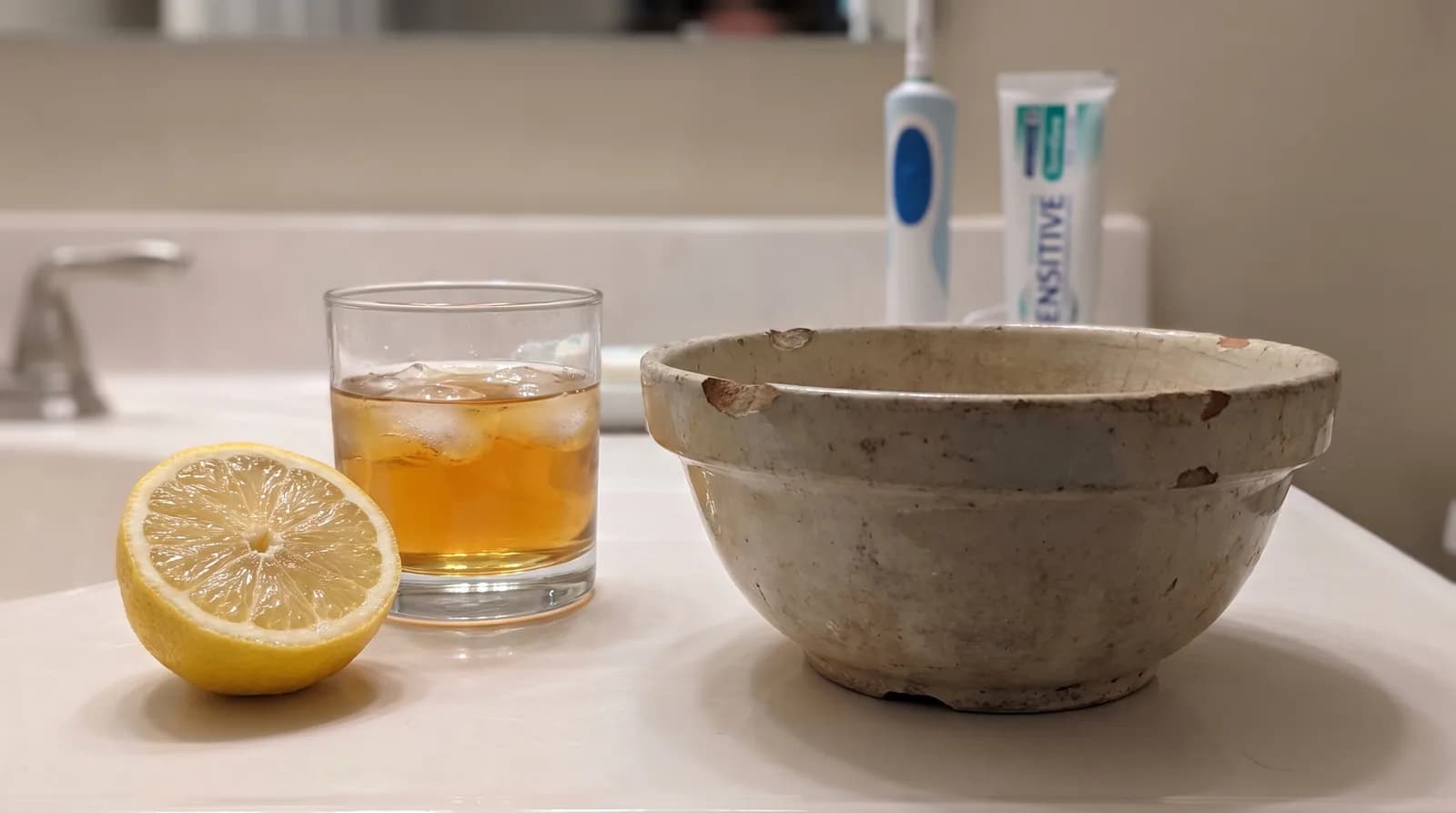
Enamel erosion is one of those dental problems that builds quietly over years before it becomes obvious. The outer layer of the tooth dissolves gradually under repeated acid exposure, and by the time most patients notice the signs: increased sensitivity, a yellowing appearance, or teeth that look slightly shorter or more rounded. By the time these signs appear, a meaningful amount of enamel is already gone. Understanding the enamel erosion causes that drive this process is the first step toward stopping it.
At Willow Family Dentistry in Wylie, TX, Dr. Esther B. Jeong sees enamel erosion across all age groups, and the most common thread is that the sources of acid causing the damage are not obvious to patients until they understand the full picture. This guide covers the main enamel erosion causes, how to recognize the signs, and what can be done to slow or reverse the damage depending on how far it has progressed.
What Is Enamel Erosion and How Does It Happen?
Enamel erosion is the irreversible loss of tooth structure caused by acid dissolving the mineral content of enamel, without the involvement of bacteria that cause ordinary tooth decay. Unlike cavities, which are localized to a specific spot, erosion tends to affect broader surfaces of the teeth and produces a characteristic pattern of smooth, slightly shiny wear. Once enamel is gone, it does not grow back, which is why erosion is worth catching and addressing early.
The process works like this: acid lowers the pH in the mouth below the critical threshold at which enamel begins to dissolve, around pH 5.5. Repeated exposure, whether from diet, stomach acid, or dry mouth, means the enamel is continuously being challenged without enough recovery time between exposures. Over months and years, the surface progressively loses mineral content and structure. It is not a dramatic event but a slow, cumulative one.
According to the American Dental Association, the global prevalence of dental erosion in permanent adult teeth ranges between 20% and 45%, making it one of the more common dental conditions that receives far less attention than cavities or gum disease. It is particularly concerning because it often goes undetected until significant enamel loss has occurred.
What Are the Main Causes of Enamel Erosion?
The main causes of enamel erosion fall into two categories: extrinsic, meaning acid that enters the mouth from outside the body, primarily from food and drink; and intrinsic, meaning acid that originates from inside the body, primarily from stomach acid. In many patients, both types contribute simultaneously.
Extrinsic causes include:
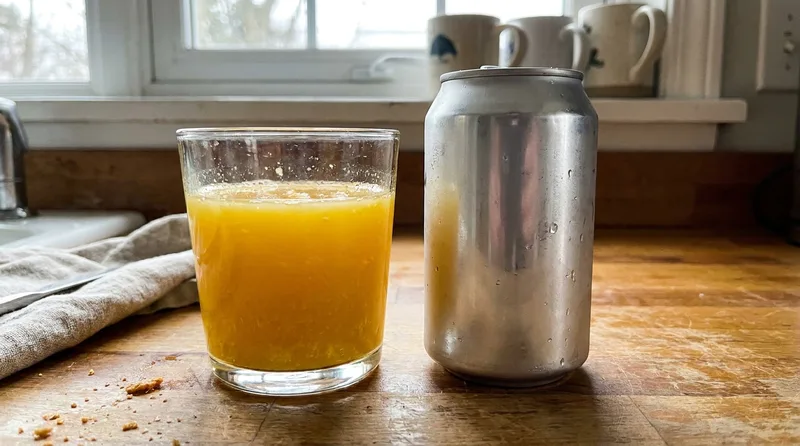
- Acidic drinks: Citrus juices, sodas, sports drinks, and energy drinks are among the most damaging, partly because of their acidity and partly because many people sip them slowly over extended periods, prolonging acid contact with the teeth. Even sparkling water has an acidic pH.
- Citrus fruits and acidic foods: Lemons, limes, tomatoes, vinegar-based dressings, and pickled foods all contribute to extrinsic acid exposure.
- Fruit-infused water: A popular healthy choice that carries more erosive potential than plain water due to the pH of the added fruit.
- Vitamin C supplements: Chewable ascorbic acid tablets are highly acidic and are a less obvious source of enamel erosion in patients who take them regularly.
Intrinsic causes include:
- Acid reflux and GERD: Gastroesophageal reflux brings stomach acid directly into the mouth, and the erosion pattern it produces is different from dietary erosion, typically affecting the inner surfaces of the upper front teeth and the chewing surfaces of the back teeth.
- Frequent vomiting: Whether from an eating disorder, morning sickness during pregnancy, or chronic nausea, repeated vomiting bathes the teeth in highly concentrated stomach acid.
- Dry mouth: Saliva is the mouth's primary defense against acid because it neutralizes pH and contains minerals that help remineralize enamel. When saliva flow is reduced by medications, mouth breathing, or certain medical conditions, the protective buffer is gone and acid lingers longer on the teeth.
What Are the Signs of Enamel Erosion?
The signs of enamel erosion include increased sensitivity to cold, sweet, or acidic foods; a yellowing or creamy discoloration as the enamel thins and the yellower dentin beneath shows through; teeth that appear slightly rounded, shorter, or smoother than before; and in more advanced cases, cupping or dishing of the chewing surfaces. These signs develop gradually, which means they can easily be attributed to other causes or simply not noticed for years.
According to Healthline, temperature and sweet sensitivity that is new or worsening is often the first symptom of enamel erosion patients report. Our article on sudden tooth sensitivity to cold covers the full range of causes, since erosion is one of several conditions that produce this symptom, and distinguishing between them matters for treatment.
Another sign worth knowing: if your teeth have become noticeably more transparent at the edges, or if the surface looks glassier and more polished than it used to, those are early visual signs of enamel thinning from erosion. By the time teeth look visibly shorter or heavily discolored, significant enamel loss has already occurred.
How Does Enamel Erosion Differ From Tooth Decay?
Enamel erosion and tooth decay both damage tooth structure, but they work through completely different mechanisms and produce different patterns of damage. Decay is caused by bacteria producing acid in a localized spot, typically in grooves, between teeth, or at the gum line. Erosion is caused by acid from diet or stomach, affects broader surfaces, and does not involve bacteria at all.
The treatment approach differs for this reason. Decay requires removing the infected tissue and restoring the tooth with a filling or crown. Erosion management focuses on eliminating or reducing the acid source, using fluoride and remineralizing agents to strengthen what remains, and monitoring closely to see whether restoration is needed. A tooth with significant erosion may also have decay in addition, since eroded enamel is more vulnerable to bacterial attack, which is why a full clinical exam rather than self-diagnosis is essential.
The visual presentation also differs. Decay typically appears as a dark spot, discoloration, or a cavity in a specific location. Erosion produces smoother, glossier surfaces with a broader pattern of thinning, often affecting multiple teeth across an entire surface rather than isolated spots.
Can Enamel Erosion Be Reversed or Treated?
Enamel erosion cannot be reversed once significant structure is lost, but early-stage erosion can be partially remineralized with fluoride and other mineral-rich treatments, and the progression can be stopped or slowed by addressing the acid source. The distinction between early and advanced erosion matters a great deal for what treatment is possible.
For early erosion, the approach focuses on:
- Identifying and reducing the acid source, whether dietary, reflux-related, or dry mouth.
- Applying fluoride varnish professionally and using prescription-strength fluoride toothpaste at home.
- Using remineralizing products containing calcium phosphate to help strengthen softened enamel.
- Adjusting habits around acidic foods and drinks, including rinsing with water rather than brushing immediately after acid exposure.
For more advanced erosion where significant enamel is already gone, restorative options come into play. Dental bonding can cover and protect affected surfaces with minimal additional removal of tooth structure. Veneers are an option for front teeth with significant erosion-related cosmetic damage. Our articles on the cost of veneers in Wylie, TX and on what dental bonding involves cover these options in detail.
How Do You Prevent Enamel Erosion?
Preventing enamel erosion means reducing the frequency and duration of acid contact with the teeth while giving saliva the opportunity to neutralize and remineralize between exposures. The key is not eliminating acidic foods entirely, but changing how and when they are consumed and making sure the teeth have adequate recovery time between exposures.
The most effective prevention habits include:
- Limit sipping acidic drinks over long periods. Finishing a glass of juice in a few minutes is far less damaging than nursing it over an hour.
- Use a straw for acidic beverages to direct them away from the tooth surfaces.
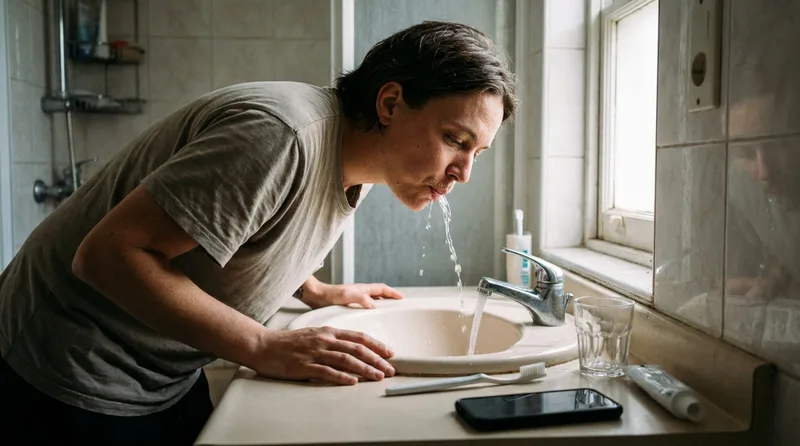
- Rinse with water after acidic food or drink, then wait 30 to 60 minutes before brushing to allow the softened enamel to reharden.
- Address dry mouth by staying hydrated, chewing sugar-free gum to stimulate saliva, and talking to your dentist or physician if medications are the cause. Our article on gum recession also touches on how dry mouth and acid contribute to tissue loss alongside enamel changes.
- Treat acid reflux or GERD with your physician, since unmanaged reflux is one of the most potent intrinsic sources of erosion.
- Use a fluoride toothpaste twice daily and ask your dentist about higher-strength fluoride if your erosion risk is elevated.
According to the American Dental Association's MouthHealthy resource, saliva plays a critical role in protecting teeth from acid damage, and conditions that reduce saliva flow significantly increase erosion risk. Addressing dry mouth is one of the most underappreciated steps in erosion prevention.
When Should You See a Dentist About Enamel Erosion?
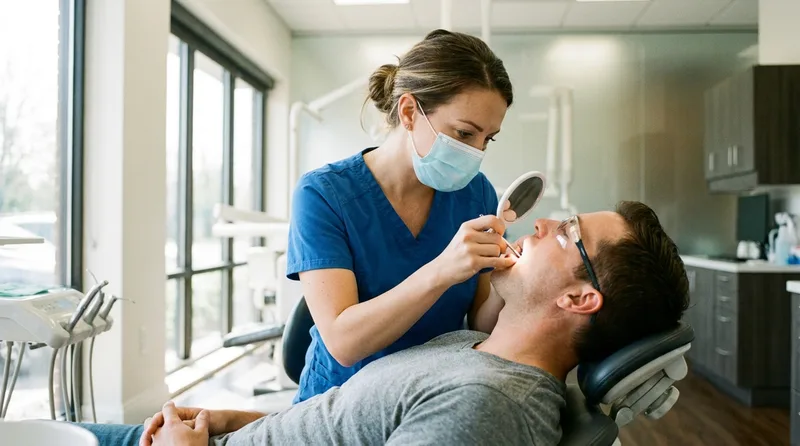
You should see a dentist if you have noticed new sensitivity, visual changes in your teeth, or any of the signs described in this guide, and especially if you know you have a diet high in acidic beverages, acid reflux, or dry mouth from medications. Early assessment means more options and simpler treatment.
At routine checkups, a dentist will evaluate enamel thickness and wear patterns and advise on whether remineralization is the appropriate approach or whether the erosion has progressed to the point where restoration is worth discussing. Whitening treatments are also worth mentioning here: teeth that appear yellow from erosion do not respond to whitening because the color change is structural, not stain-based. Addressing that requires restoring the enamel surface, not bleaching it. Our guide to professional teeth whitening explains which discoloration responds to whitening and which does not.
Willow Family Dentistry helps patients at every stage of enamel erosion, from early monitoring and fluoride treatment to discussing restorative options for more advanced cases, all in a straightforward, no-pressure environment in Wylie, TX.
Noticing sensitivity or changes in your teeth?
Book an evaluation at Willow Family Dentistry in Wylie, TX. Dr. Jeong will assess your enamel health and put together a plan to stop erosion in its tracks.
Explore preventive dentistryFurther Reading
Enamel erosion connects to sensitivity, whitening, and restorative care. The articles below go deeper on related topics.
- Stress and Teeth Grinding: Jaw Pain and Damage
- Black Spot on a Tooth: Cavity, Stain, or Something Else?
- Stress and Teeth Grinding: Jaw Pain and Damage
Results may vary. Please consult with Dr. Jeong for personalized treatment recommendations.
Dr. Esther B. Jeong, DDS
DDS · Willow Family Dentistry
Wylie family dentist with 15+ years of experience providing gentle, judgment-free dental care.
Frequently Asked Questions
Was this article helpful?
You may also like


Have a dental question?
Schedule a consultation and get personalized answers from Dr. Jeong.
Call us
(972) 881-0715
Hours
Mon – Thu: 9am – 5pm
Fri: By Appointment
Location
1125 W FM 544, Wylie
Emergency? Same-day appointments available.