Braces Care Tips for Teens Heading Back to School Now
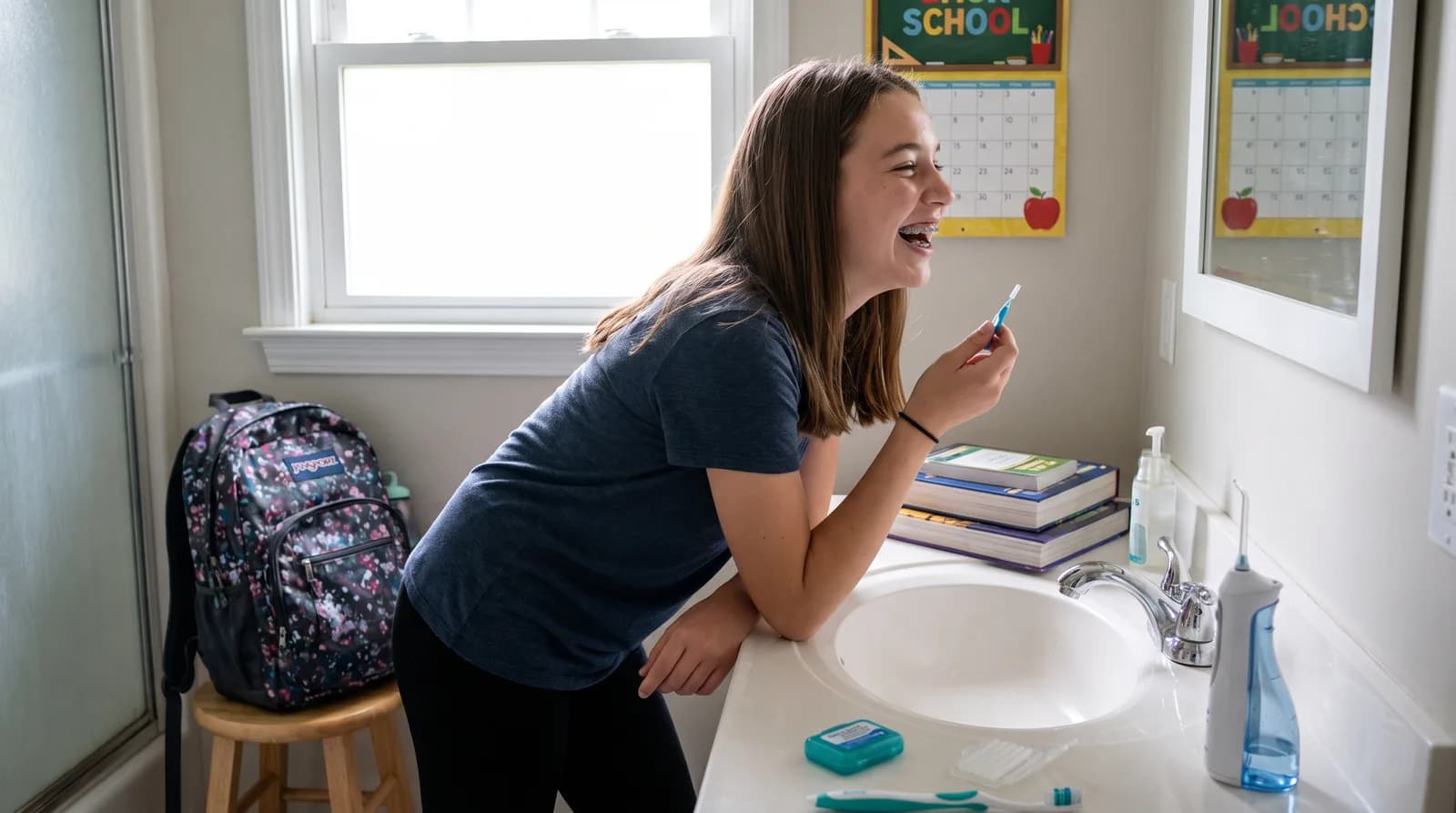
Braces and a new school year overlap enough that a little planning makes the whole semester easier for anyone in orthodontic treatment. These braces care tips for teens cover the real situations that come up during an actual school day, not just generic advice about brushing more.
Most braces problems that show up during class aren't emergencies. They're small, annoying, and completely manageable with the right small item in a backpack or a bit of advance planning around food and activities.
This guide covers what to pack in a locker kit, which cafeteria foods to skip, sports and instruments, a poking wire in the middle of class, and picture day. For orthodontic care generally, see this practice's orthodontics services.
Braces Care Tips for Teens: What to Pack in Your Locker Kit
A braces locker kit for teens should include orthodontic wax, a travel toothbrush, floss picks or a threader, and a small mirror, all small enough to fit in a backpack pocket without taking up much room.
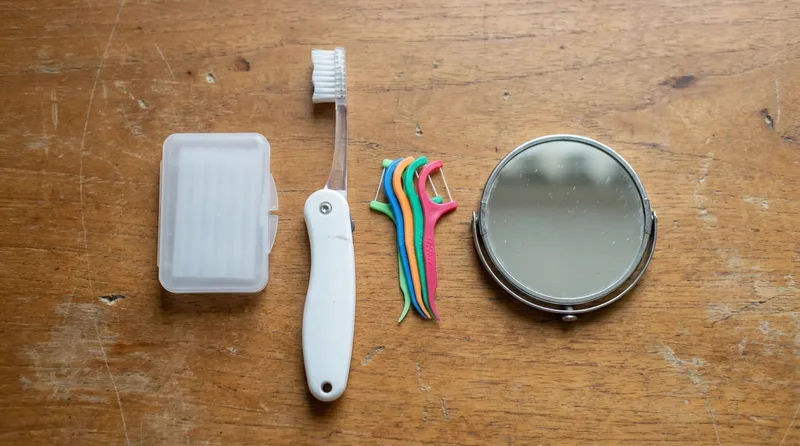
Orthodontic wax is the single most useful item in the kit. A small ball pressed over a poking bracket or wire takes seconds and solves the most common mid-day braces problem almost instantly.
A travel toothbrush matters more for braces than for regular teeth, since food gets caught around brackets far more easily. A quick brush after lunch keeps things comfortable and clean for the rest of the day.
Floss picks or a threader round out the kit for anyone who wants to clean between brackets after lunch specifically. This step is optional for a quick school-day routine and matters more for the full evening cleaning at home.
A small container to hold everything keeps the kit from scattering across a backpack. A simple pencil case or a small zip pouch works fine and keeps wax from getting lost among books and papers.
Restocking the kit at the start of each new semester, rather than assuming last year's supplies are still there, avoids the situation where wax has quietly run out right when it's needed most. Regular dental visits can catch about 80% of oral health issues before they become serious, according to the ADA, which is part of why routine orthodontic checkups matter alongside day-to-day care.
Starting Braces This School Year?
Let's talk through what fits your teen's schedule, sports, and preferences.
Schedule a Consultation →Which Cafeteria Foods Actually Break Brackets?
Sticky and hard cafeteria foods break brackets most often, including caramel, taffy, hard pretzels, popcorn, whole nuts, and hard rolls or bagels eaten without cutting them into smaller pieces first.
Sticky foods tug directly on brackets when they're chewed, which can loosen or pop one off entirely. Hard foods work differently, cracking a bracket on impact rather than loosening it gradually.
- Sticky foods: caramel, taffy, and gummy candy tug brackets loose.
- Hard foods: whole nuts, hard pretzels, and ice can crack a bracket on impact.
- Easy fixes: cutting apples, carrots, and hard bread into smaller pieces avoids most of the risk.
None of this means a completely different diet is necessary. Cutting a few specific foods into smaller pieces, or skipping the stickiest options, avoids the vast majority of bracket problems.
According to ADA guidance, sticky and hard foods are consistently the most common cause of orthodontic appliance damage, which is why cafeteria choices matter more during treatment than they otherwise would.
A cracked or loose bracket isn't usually urgent, but it's worth a call to the orthodontist within a day or two rather than waiting until the next scheduled adjustment appointment weeks later.
Bringing a spare snack that's braces-friendly, like cheese or soft fruit, gives a reasonable alternative on days when the cafeteria's main options all fall into the riskier category. Patients who keep up with routine dental care are roughly 60% less likely to lose teeth over time, according to the Journal of Dental Research, a pattern that orthodontic treatment fits into rather than works against.
| Skip or Modify | Why |
|---|---|
| Caramel, taffy, gummy candy | Sticky texture tugs brackets loose |
| Whole apples or carrots | Cut into pieces instead of biting directly |
| Hard pretzels, whole nuts | Hard impact can crack a bracket |
| Ice chewing | Common cause of cracked brackets |
How Do I Feel Confident for Picture Day With Braces?
Feeling confident for picture day with braces mostly comes down to a good cleaning beforehand and remembering that colorful bands and visible brackets read as completely normal to classmates, not as something to feel self-conscious about.

A quick brushing and a check in the locker mirror right before pictures catches any visible food or debris that might otherwise show up in a photo. That's usually the only real preparation needed.
Braces are common enough at this age that they rarely draw the kind of attention a nervous teen expects. Most classmates have braces themselves or had them recently, which makes the whole thing far less noteworthy than it feels in the moment.
Colorful band choices can actually work in a teen's favor for picture day, turning something that might feel self-conscious into a small style choice instead. School colors or a favorite color are popular, low-effort options.
A quick reminder the morning of picture day, rather than a last-minute scramble right before the photo gets taken, tends to reduce the stress around it considerably.
Can I Play a Sport or Wind Instrument With Braces?
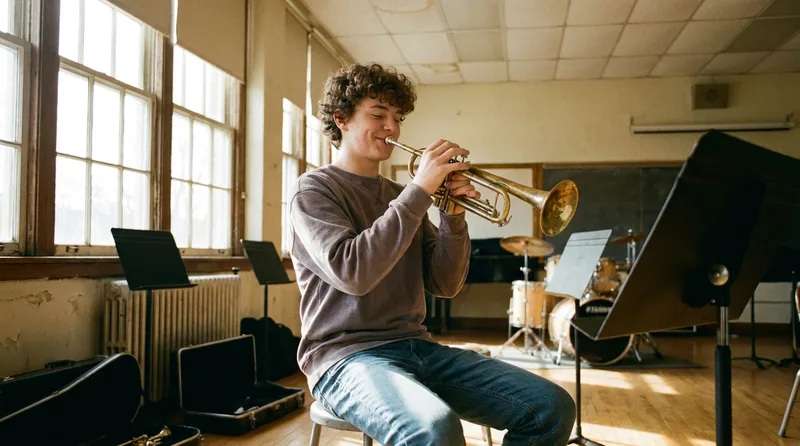
Playing sports or a wind instrument with braces is generally fine, though contact sports call for a mouthguard designed to fit over braces, and wind instruments usually just need a short adjustment period.
A standard mouthguard often doesn't fit well over braces, since it's not designed with brackets in mind. A guard specifically made for orthodontic patients fits more comfortably and protects the lips and brackets both.
Wind instruments can feel different against braces for the first week or two, particularly for brass or reed instruments that rest directly against the lips and teeth. Orthodontic wax over the front brackets during practice often smooths out that adjustment period considerably.
Band directors and coaches have generally seen this adjustment many times before. A quick conversation with either one about the transition period tends to get a helpful, unsurprised response rather than any special accommodation being needed.
Practicing a few extra minutes at home during the first week or two of a new set of braces can smooth out the embouchure adjustment faster than waiting for it to resolve entirely on its own at school.
What Do I Do About a Poking Wire in Third Period?
A poking wire during class can usually be managed temporarily with orthodontic wax pressed directly over the sharp end, or a clean pencil eraser gently pushing the wire back toward the tooth if wax isn't available.
This is exactly why a locker kit with wax matters. A poking wire is uncomfortable but rarely a true emergency, and a small ball of wax usually resolves it well enough to get through the rest of the school day.
If the wire keeps poking after wax and a gentle push, a quick call to the orthodontist's office is worth making, ideally the same day or the next, rather than waiting out an uncomfortable week.
A poking wire in the back of the mouth is trickier to manage than one near the front, simply because it's harder to see and reach. A small hand mirror from the locker kit helps locate it accurately before applying wax.
Keeping a spare piece of wax in a jacket pocket or a separate bag, in addition to the main locker kit, covers the situation where the primary kit isn't easily accessible during a specific class or activity.
How Do I Keep Braces Clean During a Full School Day?
Keeping braces clean during a full school day mainly comes down to rinsing with water after lunch and a quick brush if one is available. Food debris around brackets is far more visible and noticeable than with regular teeth.
A full brushing session isn't realistic during a school day, and it isn't necessary either. A water rinse after eating clears the most visible debris and takes only a few seconds in a bathroom between classes.
Keeping a small mirror in the locker kit helps too, since checking for visible food between brackets takes seconds and avoids an entire afternoon of self-consciousness over something easily fixed.
According to Mayo Clinic's general guidance on dental care, consistent basic hygiene throughout the day matters more for orthodontic patients specifically, since food trapped around brackets for extended periods raises decay risk more than it would otherwise.
Not Sold on Visible Brackets?
Clear aligners might be a realistic option depending on your teen's case.
Explore Clear Aligners →What If I Really Don't Want Braces? Are Clear Aligners an Option?
Clear aligners are a genuine option for teens who strongly prefer not to have visible brackets, offering similar treatment results for many cases without the food restrictions or visible hardware that come with traditional braces.
Aligners aren't the right fit for every orthodontic case, particularly more complex ones, but a lot of teen cases qualify. The biggest tradeoff is discipline: aligners only work if they're worn consistently, which asks something different of a teen than braces do.
For a closer look at whether clear aligners might be a better fit, see this practice's clear aligners services and the existing guide on what a clear aligners consultation actually involves.
Straighter teeth are also easier to keep clean, reducing cavity and gum disease risk by up to 30%, according to the ADA, which applies whether treatment happens through braces or clear aligners specifically.
Some teens do well with a hybrid approach too, starting with braces for more complex movement and finishing with aligners, or the reverse, depending on what the specific case calls for.
How Do I Get Started With Orthodontic Treatment?
Getting started with orthodontic treatment at Willow Family Dentistry begins with a consultation where Dr. Jeong evaluates whether braces, clear aligners, or another option fits a specific teen's case and preferences best.
The consultation covers both the clinical fit and the practical reality of a teen's actual lifestyle, including sports, instruments, and how much visible hardware feels acceptable to that specific teenager.
- Schedule an orthodontic consultation to discuss options.
- Bring up any specific concerns, like sports, instruments, or visible hardware.
- Ask directly whether clear aligners are a realistic option for this case.
- Pack a locker kit before treatment starts, not after the first poking wire.
Most teens adjust faster than they expect, both to the daily routine and to how little classmates actually notice or care about braces one way or another.
Bringing a teen into the consultation conversation directly, rather than deciding everything on their behalf, tends to produce better cooperation once treatment actually starts, especially around wearing aligners consistently if that's the chosen path.
The short version: a small locker kit, a few food swaps, and knowing how to handle a poking wire cover most of what actually comes up with braces during a school day. Clear aligners remain a real option for teens who'd rather skip visible brackets entirely.
Results may vary. Please consult with Dr. Jeong for personalized treatment recommendations.
If braces are starting right as school does, a little preparation now saves a lot of mid-class scrambling later. Most of what feels overwhelming in the first week becomes routine well before the semester ends.
Have a question about braces or aligners?
Contact Us →Dr. Esther B. Jeong, DDS
DDS · Willow Family Dentistry
Wylie family dentist with 15+ years of experience providing gentle, judgment-free dental care.
Frequently Asked Questions
Was this article helpful?
You may also like


Have a dental question?
Schedule a consultation and get personalized answers from Dr. Jeong.
Call us
(972) 881-0715
Hours
Mon – Thu: 9am – 5pm
Fri: By Appointment
Location
1125 W FM 544, Wylie
Emergency? Same-day appointments available.