What to Eat After Dental Surgery: A 14-Day Meal Plan
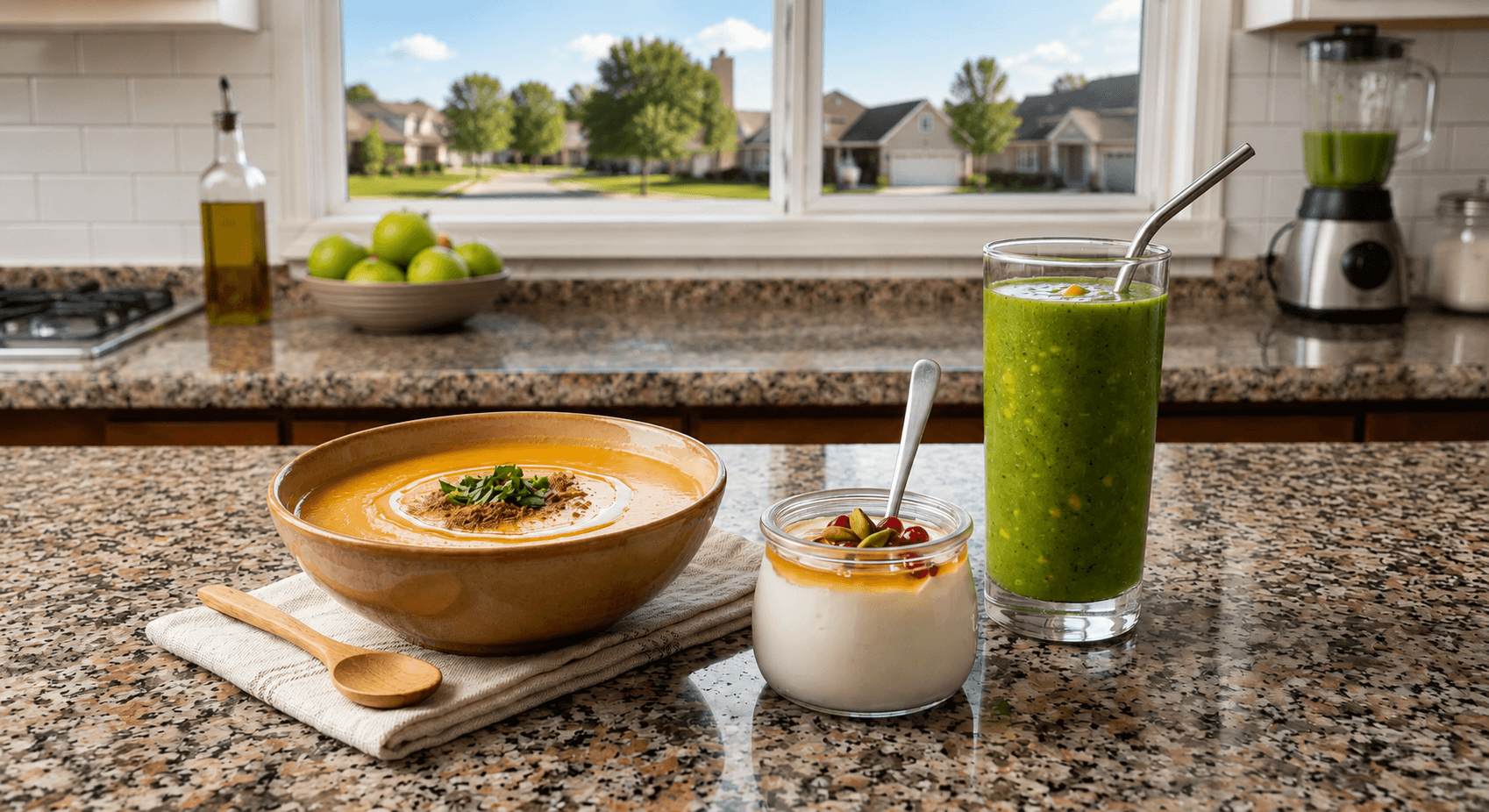
Knowing what to eat after dental surgery is the difference between a smooth recovery and a painful setback. The surgical site is an open wound in your mouth, and everything you eat contacts it directly. The wrong food at the wrong time can dislodge a blood clot (causing dry socket), irritate the sutures, introduce bacteria to the wound, or simply hurt enough to make you stop eating altogether, which delays healing by depriving your body of the protein and nutrients it needs to repair tissue.
The ADA identifies adequate nutrition during the recovery period as a significant factor in healing speed and complication avoidance.
Dr. Esther Jeong at Willow Family Dentistry in Wylie, TX sends every surgical patient home with post-op dietary instructions. This guide expands those instructions into a practical 14-day menu with specific meal ideas for each recovery phase, not just vague categories like "soft foods." Whether you're recovering from a wisdom tooth extraction, dental implant placement, gum surgery, or any oral procedure, this timeline applies.
The 14-Day Progression at a Glance
Days 1-3
Zero chewing
Lukewarm liquids and no-chew foods. Protect the clot: no straws, no heat, no suction.
Days 4-7
Gentle chewing
Soft foods that mash with a fork. Nothing firm, crunchy, or sharp yet.
Days 8-14
Back to normal
Firmer foods, gradually, chewing on the opposite side of the surgical site.
Days 1-3: Liquids and No-Chew Foods
Why the First 72 Hours Decide Everything
The first 72 hours are the most critical for clot formation and initial healing. The blood clot that forms in the extraction site is the biological scaffolding on which all subsequent healing builds. Dislodging it (through suction, spitting, or food disruption) causes dry socket, the most common and most painful post-surgical complication. Everything you eat during days 1-3 should require zero chewing and zero suction.
What to Eat: Days 1-3
- Lukewarm (not hot) broth: chicken, beef, bone broth, or vegetable. Broth delivers electrolytes, hydration, and protein (especially bone broth at 10g protein per cup) without any chewing. Sip from a cup or spoon, never through a straw. According to the Mayo Clinic, the no-straw rule applies for the full first week because the suction pressure can dislodge the clot.
- Smooth yogurt (plain, vanilla, or fruit-blended with no chunks or seeds). Yogurt delivers protein, calcium, and probiotics that support oral bacterial balance during the vulnerable post-surgical period. Eat it cold or at room temperature.
- Applesauce (unsweetened). Smooth texture, no chewing required, provides carbohydrates for energy. Avoid varieties with cinnamon or spice during the first 48 hours as these can irritate the wound.
- Mashed potatoes or mashed sweet potatoes (cooled to lukewarm). Calorie-dense, easy to eat, and filling. Add butter or gravy for calories if appetite is low. Avoid loading with pepper or spicy seasonings.
- Protein shakes and smoothies (blended smooth, eaten with a spoon, not through a straw). Blend protein powder, banana, yogurt, and milk into a thick shake and eat it with a spoon. This is the highest-calorie, highest-protein option for days when eating feels difficult. According to post-surgical nutrition research, patients who maintain adequate protein intake (50-60g daily) during recovery heal significantly faster than those who undereat.
- Scrambled eggs (soft, lukewarm). Eggs deliver 6g protein each, are easy to make very soft, and require minimal mouth movement. Cook them softer than usual and let them cool before eating.
- Pudding, Jell-O, and ice cream (no nuts, no chunks). These provide calories and psychological comfort during a period when eating is unpleasant. Ice cream (without hard mix-ins) also provides cold soothing for swollen tissue.
Avoid During Days 1-3:
Straws (suction dislodges clot). Hot foods/drinks (heat dissolves clot). Crunchy foods (chips, toast, granola). Spicy foods (irritate wound). Seeds and small grains (rice, quinoa lodge in the socket). Alcohol (delays healing, interacts with pain medication). Carbonated drinks (pressure and acidity).
Pain getting worse instead of better?
That usually means the clot is gone. Dry socket treatment takes minutes once you're in the chair, and we keep same-day slots open.
Get same-day emergency care in Wylie →Days 4-7: Soft Foods (Gentle Chewing)
What Has Changed by Day 4
By day 4, the blood clot has matured and initial tissue coverage is forming over the wound. You can introduce foods that require gentle chewing, but the surgical site is still tender and not ready for anything firm, crunchy, or sharp.
What to Eat: Days 4-7
- Pasta (well-cooked, small shapes like orzo, pastina, or macaroni). Overcook slightly so it's softer than al dente. Toss with butter, olive oil, or a smooth sauce (alfredo, marinara without chunks). Avoid long noodles that require sucking.
- Oatmeal (cooked smooth, not instant with hard fruit chunks). Oatmeal delivers fiber and sustained energy. Add honey, mashed banana, or smooth peanut butter for protein and flavor. Let it cool to lukewarm before eating.
- Soft-cooked fish (salmon, tilapia, cod). Fish flakes apart with a fork and requires minimal chewing. It delivers high-quality protein and omega-3 fatty acids that support tissue healing. Bake or steam; avoid fried preparations with crispy coating.
- Avocado (mashed or sliced). Avocado's creamy texture and healthy fat content make it ideal for recovery eating. Spread on very soft bread or eat directly with a spoon. According to dental recovery guidelines, healthy fats from avocado and olive oil support the inflammatory response that drives tissue repair.
- Soft-cooked vegetables (steamed carrots, squash, sweet potato, zucchini). Cook until very tender, mashable with a fork. These provide vitamins A and C that support wound healing and immune function.
- Cottage cheese and soft cheeses (ricotta, brie, cream cheese). Protein-rich, require minimal chewing, and the calcium supports bone healing at implant sites.
- Soup with soft ingredients (chicken noodle with small noodles, tomato bisque, potato soup, butternut squash). Soups deliver hydration, nutrients, and warmth without requiring hard chewing. Ensure any vegetables or meat are very soft and small.
- Pancakes and soft French toast (cut small). By day 5-6, most patients can handle soft bread products cut into small, manageable pieces. Avoid hard crusts and toasting.
Related: Full extraction recovery timeline. → Tooth Extraction Recovery: Day-by-Day Timeline
Days 8-14: Transition to Normal Eating
What Has Changed by Week 2
By the second week, the surface tissue has closed over most surgical sites and tenderness has decreased substantially. You can begin reintroducing firmer foods, but gradually. Chew on the opposite side of the surgical site. Avoid foods that require tearing with the front teeth (biting into apples, corn on the cob) until Dr. Jeong clears you at the follow-up visit.
What to Eat: Days 8-14
- Soft sandwiches (deli meat, egg salad, tuna salad on soft bread). Avoid crusty rolls or toasted bread. Cut into small pieces and chew on the non-surgical side.
- Ground meat (turkey, beef, chicken in tacos, pasta sauce, or casseroles). Ground meat is the easiest form of meat to chew without stressing the surgical area. Avoid jerky, steak, or any meat requiring significant tearing.
- Rice and soft grains (by day 8-10, rice is safe as the wound has covered enough that small grains won't lodge in the socket). Quinoa, couscous, and soft-cooked barley are also appropriate.
- Steamed or roasted vegetables at normal texture. By week 2, you don't need to overcook vegetables into mush. Normal-tender steamed broccoli, green beans, and roasted squash are appropriate. Avoid raw carrots, celery, and other hard raw vegetables until week 3.
- Bananas, berries, soft melon, and peeled peaches. Soft fresh fruits provide vitamins and fiber. Avoid hard fruits (apples, pears) unless sliced thin. Avoid pineapple and citrus if the surgical site is still sensitive to acid.
- Soft pizza (thin crust, cut small, chew on opposite side). By day 10-12, most patients can handle soft pizza if they're careful about chewing location and crust firmness.
Missing a tooth once the site heals?
An implant replaces the root as well as the crown, so the bone keeps its shape and you chew on both sides again.
See your implant options →What Can You Eat on Each Specific Day of Recovery?
The phases above cover the general progression, but if you're counting days, here's what's appropriate on the specific day you're asking about.
| Day | What's Appropriate |
|---|---|
| Day 4 | Gentle chewing begins. Well-cooked pasta, mashed avocado, and soft-cooked fish are appropriate. Still avoid anything crunchy, sharp, or seeded. |
| Day 5 | Similar to day 4. Soft-cooked vegetables, oatmeal, and cottage cheese are safe. The clot should be well established by now. |
| Day 6 | Still in the gentle-chewing window. Pancakes cut small, soup with soft ingredients, and soft cheeses are good options. Chew away from the surgical site. |
| Day 7 | The last day of the soft-food phase for most patients. Soft sandwiches, ground meat in sauce, and soft-cooked vegetables are appropriate. |
| Day 8 | The transition to firmer foods begins. Rice, soft grains, and normal-tender steamed vegetables can be reintroduced, chewing on the non-surgical side. |
| Day 10 | Most patients can handle ground meat, soft pizza, and normal-tender vegetables. Continue avoiding hard raw vegetables and tough or chewy meat. |
| Day 12 | Close to a normal diet for most patients. Soft fresh fruits, roasted vegetables, and thin-crust pizza are typically fine if healing is on track. |
| Day 14 | The transition period ends for most patients. A near-normal diet is typical, though the hardest, stickiest, and most seeded foods should still wait until week 3. |
Every recovery is different, and healing speed depends on the procedure, your individual tissue response, and how closely the days 1-3 guidance was followed. If a food listed for your day causes pain, step back to the previous phase and try again in a day or two.
Foods to Avoid for the Full 14 Days
Some foods remain off-limits for the entire recovery period because the risk of disrupting healing outweighs the enjoyment.
Quick Reference: What Stays Off the Menu, and Until When
| Food Category | Why It's Risky | When to Reintroduce |
|---|---|---|
| Chips, popcorn, pretzels, nuts | Sharp fragments lodge in socket or puncture sutures | Week 3+ (after site fully closes) |
| Spicy foods (hot sauce, cayenne, wasabi) | Chemical irritation of open wound, increased blood flow | Week 2 (mild spice) / Week 3 (full spice) |
| Alcohol | Delays healing, interacts with pain meds, dehydrates | After pain medication is discontinued |
| Sticky/chewy candy (caramel, taffy, gummies) | Pulls on sutures, sticks to wound, feeds bacteria | Week 3+ (after sutures removed) |
| Tough/chewy meat (steak, jerky, ribs) | Requires tearing and heavy chewing near surgical site | Week 3-4 (start with tender cuts) |
| Seeded foods (sesame, poppy, strawberry seeds) | Seeds lodge in extraction socket and are difficult to remove | Week 2-3 (once socket is covered) |
Nutrition Tips That Speed Healing
Your body is repairing tissue, fighting potential infection, and rebuilding bone (in implant cases). That process requires specific nutrients in higher quantities than normal.
Prioritize Protein
Aim for 50-60g daily minimum. Tissue repair is protein-intensive, and patients who undereat protein during recovery heal measurably slower. Eggs (6g each), Greek yogurt (15-20g per cup), protein shakes (20-30g per scoop), cottage cheese (14g per half cup), and fish (20-25g per serving) are the easiest high-protein options during recovery. According to the ADA, protein is the single most important macronutrient for post-surgical recovery.
50-60g
protein per day
Roughly two eggs, a cup of Greek yogurt, one protein shake, and a serving of fish. Hit that number and you have covered the single biggest dietary lever on healing speed.
Stay Hydrated
Aim for 8+ glasses of water daily. Dehydration slows healing, thickens saliva (reducing its protective function), and concentrates bacteria at the surgical site. Sip water frequently throughout the day. Avoid carbonated beverages for the first week.
Get Vitamin C
Vitamin C is essential for collagen synthesis, the protein that forms the structural framework of healing tissue. Smooth orange juice (after day 3 when acidity is less irritating), strawberry smoothies, mashed sweet potato, and steamed broccoli are recovery-friendly vitamin C sources.
Don't Skip Meals
Pain medication on an empty stomach causes nausea. Nausea causes vomiting. Vomiting creates pressure and acid exposure that damages the surgical site. Eat something before every dose of pain medication, even if it's just a few spoonfuls of yogurt or broth.
Small frequent meals (5-6 per day) are easier than 3 large meals when your mouth is sore and appetite is low.
The Short Version
What to eat after dental surgery follows a clear progression: liquids and no-chew foods for days 1-3, soft foods requiring gentle chewing for days 4-7, and gradual transition to normal eating during days 8-14. The specific meals in this guide give you practical ideas beyond "soft foods": broth, yogurt, scrambled eggs, and protein shakes in the first phase; pasta, fish, oatmeal, and soft-cooked vegetables in the second; and sandwiches, ground meat, and soft pizza in the third.
Prioritize protein (50-60g daily), stay hydrated, and don't skip meals before pain medication. If anything hurts when you eat it, stop and step back to the previous phase. Your surgical site heals on its own timeline, and the food you eat supports or hinders that process at every meal. For procedure-specific dietary questions, call Willow Family Dentistry at (972) 881-0715.
Results may vary. Please consult with Dr. Jeong for personalized treatment recommendations.
Family Dentistry in Wylie, TX
Not sure whether a food is safe at your stage of healing?
Ask before you eat it. Dr. Jeong's team handles post-op questions, follow-up visits, and routine care for every age in the house.
Book your visit → or call (972) 881-0715Dr. Esther B. Jeong, DDS
DDS · Willow Family Dentistry
Wylie family dentist with 15+ years of experience providing gentle, judgment-free dental care.
Frequently Asked Questions
Was this article helpful?
You may also like

Have a dental question?
Schedule a consultation and get personalized answers from Dr. Jeong.
Call us
(972) 881-0715
Hours
Mon – Thu: 9am – 5pm
Fri: By Appointment
Location
1125 W FM 544, Wylie
Emergency? Same-day appointments available.