Veneers Cost Wylie TX: Real DFW Pricing for 2026

If you're searching for veneers cost in Wylie TX, you've probably already seen the wide range online: across a wide range depending on the source. That range is real, but it's not helpful without understanding what drives the price from one end to the other. The material (porcelain vs composite), the preparation style (traditional prep vs no-prep), the lab quality (overseas discount vs domestic master ceramist), and the number of teeth all determine where your specific case falls. Dr. Esther Jeong at Willow Family Dentistry in Wylie, TX provides veneers across the full spectrum and presents transparent pricing at the consultation so you know the exact cost before committing.
How Much Do Veneers Cost in Wylie, TX?
| Veneer Type | Relative Cost | Lifespan | Best For |
|---|---|---|---|
| Porcelain Veneer (traditional prep) | Highest per tooth | 10-15 years | Complete smile transformation; severe discoloration, shape changes, gaps |
| Porcelain Veneer (minimal/no-prep) | High per tooth | 7-12 years | Conservative option; small corrections on already well-shaped teeth |
| Composite Veneer (direct bonding) | Lowest per tooth | 3-7 years | Budget option; single-tooth fixes, minor chips, small gaps |
| Full Smile (6-8 porcelain veneers) | Highest overall (full smile) | 10-15 years | Complete upper smile makeover |
| Full Smile (6-8 composite veneers) | Lower overall (full smile) | 3-7 years | Budget smile makeover; reversible, no tooth reduction |
DFW veneer pricing runs 10-20% below major coastal metros (Manhattan, Beverly Hills, San Francisco) where the same porcelain veneer costs noticeably more per tooth. Texas's lower overhead and competitive dental market keep pricing accessible without sacrificing quality, since the same premium labs serve practices nationwide. According to the ADA Health Policy Institute, cosmetic dental pricing in the Dallas-Fort Worth metroplex ranks among the most competitive in the country for quality-adjusted veneer work.
Why Does Veneer Pricing Vary So Much?
That wide range per tooth isn't random. Five factors explain where your case falls on that spectrum, and understanding them helps you read any quote you receive with a clearer eye rather than guessing whether a price is fair.
Material: Porcelain vs Composite
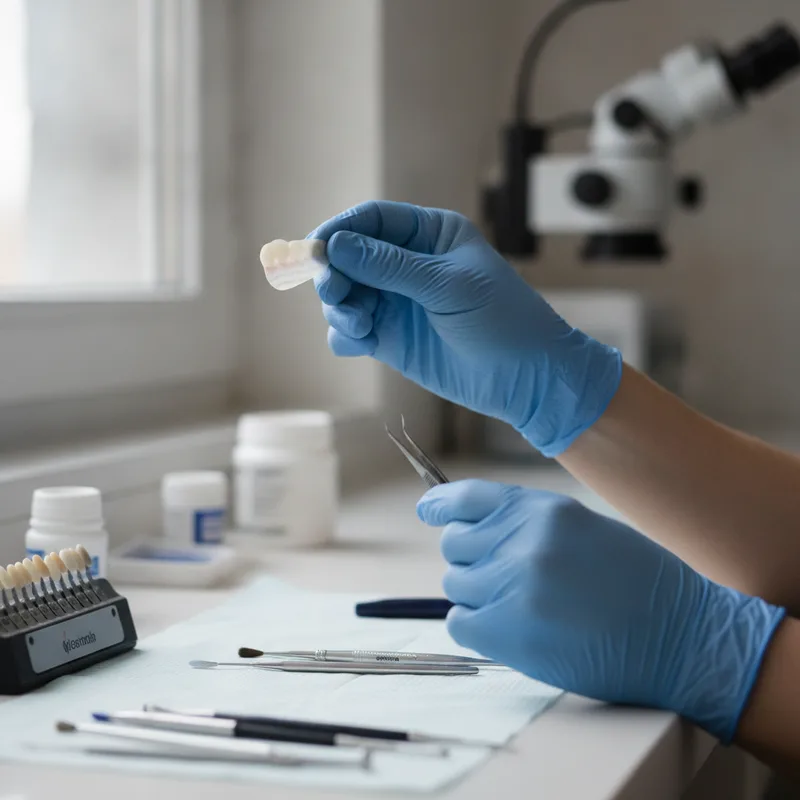
This is the biggest price driver. Porcelain veneers are fabricated in a dental laboratory by a ceramist who hand-layers porcelain to match the translucency, color gradients, and surface texture of natural teeth. The lab fee alone is a significant share of the per-veneer cost. Composite veneers are sculpted directly on the tooth by Dr. Jeong using tooth-colored resin, the same material used for bonding. No lab involved. According to clinical research, porcelain veneers last 2-3 times longer, resist staining significantly better, and provide more natural light transmission than composite, which is why they cost more.
Preparation Style: Traditional Prep vs No-Prep
Traditional porcelain veneers require removing 0.3-0.7mm of enamel from the front surface of the tooth to create space for the veneer. This is irreversible. Once enamel is removed, the tooth always needs a veneer or crown. No-prep or minimal-prep veneers (sometimes marketed as Lumineers) are thinner and bonded over the existing enamel with little or no reduction. They preserve natural tooth structure and are theoretically reversible. According to the ADA, no-prep veneers are appropriate for a narrower range of cases (teeth that are already well-positioned and don't need significant shape change) because the added thickness without reduction can feel bulky or look opaque if the case isn't carefully selected.
Dr. Jeong recommends prep style based on tooth position, existing enamel thickness, and the amount of shape change needed, not based on a brand name. Some teeth in the same smile benefit from traditional prep while others are better served with no-prep. The cost difference between prep and no-prep porcelain is modest because the lab fabrication is similar; the difference is in the chair time for preparation.
Lab Quality
The dental lab that fabricates the veneers is the invisible quality variable most patients never consider. A veneer from a domestic master ceramist carries a much higher lab fee than one produced by a discount overseas lab, and it looks dramatically different. The color layering, the surface texture, the translucency gradients, and the fit precision all depend on the ceramist's skill. Dr. Jeong works with a premium domestic lab that specializes in cosmetic cases and provides custom shade photography and digital design collaboration. The lab cost is embedded in the per-veneer fee and is the primary reason Willow's porcelain veneers look natural rather than flat, opaque, or uniform.
Number of Teeth
Most veneer cases involve 6-10 teeth (the visible "social six" to "social ten" that show when you smile). More teeth means a higher total investment but sometimes a slightly lower per-unit cost because the lab and clinical workflow are more efficient across a full arch than for individual teeth. A single porcelain veneer carries a higher per-tooth cost than the same veneers ordered as a set of eight, because the setup, shade matching, and lab communication happen once for all eight.
Case Complexity
A patient with straight, well-proportioned teeth who wants minor color improvement is a straightforward case. A patient with significant misalignment, worn-down teeth, bite issues, or gummy smile who wants a complete transformation requires more diagnostic work (digital smile design, wax-up mockup, bite analysis), more preparation time, and more lab artistry. Complex cases cost more because they take more time and skill to execute at a high level.
Does Insurance Cover Veneers?
In most cases, no. Dental insurance classifies veneers as cosmetic, and cosmetic procedures are excluded from coverage on virtually all PPO and HMO dental plans. The logic from the insurance perspective: veneers improve appearance, not health, so they're elective rather than necessary.
There are two exceptions. If a veneer is placed to restore a broken or structurally compromised tooth (rather than for purely cosmetic reasons), insurance may cover it at the same rate as a crown (typically 50% after deductible), because the veneer serves a restorative function. The coding and documentation matter: Dr. Jeong's team submits the claim with the appropriate diagnostic code and clinical narrative to maximize the chance of coverage when the case qualifies.
Second, if a veneer replaces a previous veneer that has failed, some plans cover the replacement under their "replacement" benefit, particularly if the original was placed for a restorative reason.
For the majority of cosmetic veneer cases, insurance does not contribute. This makes financing the primary cost management strategy.
How Do Patients Pay for Veneers Without Insurance?
Dr. Jeong's team at Willow offers several pathways to make veneers accessible.
HSA/FSA accounts cover veneers when prescribed for a dental condition (not purely cosmetic). If the veneers address structural damage, severe wear, or congenital defects, HSA/FSA eligibility is strong. The pre-tax savings represent 22-37% cost reduction for Texas patients.
Third-party financing (CareCredit, Sunbit, LendingClub) offers 0% interest for 12-24 months on qualified applicants. A full veneer case financed at 0% over 24 months breaks down into a manageable fixed monthly payment with no interest, the cost of a daily coffee habit redirected toward a permanent smile change.
For a fuller breakdown of options, see our guide to dental payment plans in Wylie. Phased treatment spreads the case across two benefit years or two payment periods. Dr. Jeong can veneer the upper right side in one phase and the upper left in a second phase, splitting the financial commitment while still achieving the full result.
Related: Bonding as an alternative. → Broken Tooth Repair: Same-Day Bonding, Veneers, and Crown Options
Are You a Good Candidate for Veneers?
Veneers work best for specific cosmetic concerns on teeth that are otherwise healthy. Dr. Jeong evaluates candidacy using these criteria.
Good candidates: Teeth with permanent staining that whitening can't resolve (tetracycline, fluorosis). Minor chips, cracks, or wear on front teeth. Small gaps between front teeth (diastema). Slightly crooked or uneven teeth that don't warrant orthodontics. Short or worn-down teeth that need lengthening. Patients who want a comprehensive smile transformation with predictable results.
Not ideal candidates: Teeth with large fillings or insufficient enamel for bonding (crowns may be better). Active gum disease or untreated decay (must be resolved first). Severe misalignment (orthodontics should precede veneers). Heavy grinders without a night guard commitment (grinding fractures veneers). According to the Mayo Clinic, patients with bruxism who want veneers must commit to nightly night guard wear to protect the investment.
What to Expect at the Veneer Consultation
The consultation at Willow is where pricing becomes specific to your case rather than a range on a website. Dr. Jeong examines the teeth to be veneered, evaluates bite forces and grinding habits, takes digital photos, and discusses your goals (color, shape, proportion). She may create a digital smile design that shows the projected result before any treatment begins.

You leave the consultation with a written treatment plan that includes the exact number of veneers recommended, the material for each (some teeth may get porcelain while others get composite based on position and function), the per-tooth and total cost, the insurance estimate (if any coverage applies), and the financing options available. No guessing. No range. Your number.
Related: Staining that veneers fix permanently. → Teeth Staining Causes: Why Some People Stain Faster
Porcelain vs Composite: Which Should You Choose?
| Factor | Porcelain Veneers | Composite Veneers |
|---|---|---|
| Cost per tooth | Higher upfront | Lower upfront |
| Lifespan | 10-15 years | 3-7 years |
| Stain resistance | Excellent (porcelain doesn't stain) | Moderate (stains like natural teeth over time) |
| Appointments | 2 visits (prep + bonding) | 1 visit (same-day) |
| Reversibility | Traditional prep: no. No-prep: yes. | Yes (can be removed without tooth damage) |
| Natural appearance | Superior (light transmits through like enamel) | Good (can look natural but less translucent) |
| Repairability | Chipped porcelain requires replacement | Chipped composite can be repaired chairside |
| Cost per year (value) | Strong long-term value | Varies with lifespan |
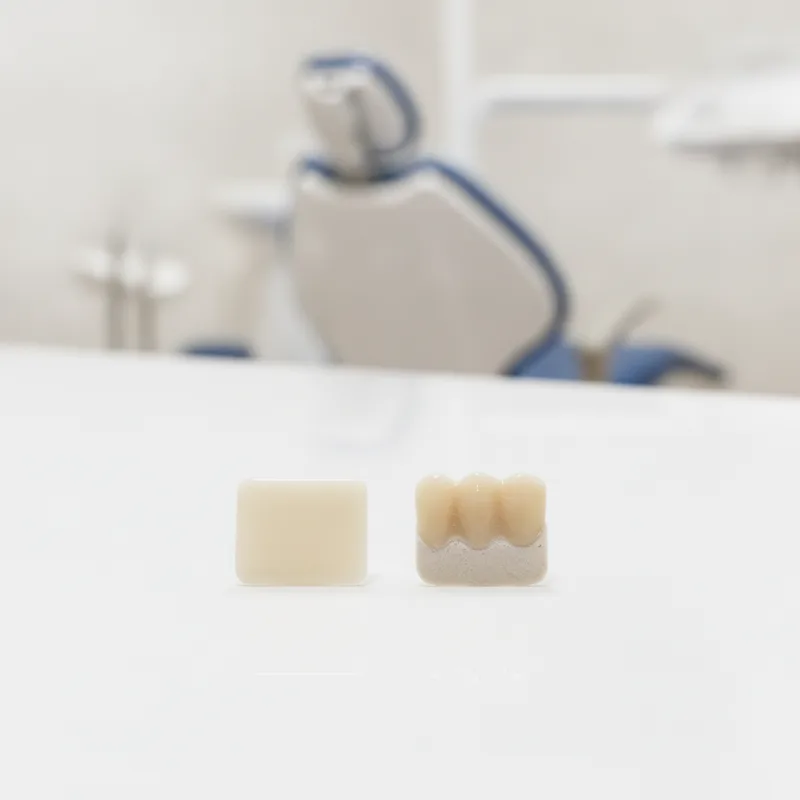
Dr. Jeong's recommendation depends on your priorities. Porcelain for patients who want the longest-lasting, most stain-resistant, most natural-looking result and are willing to invest upfront. Composite for patients who want an affordable improvement now, want same-day results, or want to "test drive" a new smile shape before committing to porcelain. According to dental research, some patients start with composite veneers to confirm they like the new shape and color, then upgrade to porcelain when they're ready for the long-term investment.
Want Your Exact Veneer Cost?
Dr. Jeong provides a written treatment plan with per-tooth pricing, material recommendations, and financing options at the consultation. No guessing. Your number, not a range.
Request a Veneer Consultation →Veneers cost in Wylie TX depends mainly on the material and the number of teeth, with composite the most affordable per tooth, porcelain costing more, and full smile cases scaling up with tooth count. Insurance rarely covers cosmetic veneers, but HSA/FSA, 0% financing, and phased treatment make the investment accessible. The consultation at Willow Family Dentistry gives you the exact number for your specific case, not a range from the internet. Call (972) 881-0715 to schedule.
See Your New Smile Before You Commit
Dr. Jeong creates a digital smile design showing your projected result. Written pricing, material options, and financing presented at the consultation. No obligation.
Request a Consultation →Questions about veneer pricing?
Call (972) 881-0715 →Dr. Esther B. Jeong, DDS
DDS · Willow Family Dentistry
Wylie family dentist with 15+ years of experience providing gentle, judgment-free dental care.
Frequently Asked Questions
Was this article helpful?
You may also like



Have a dental question?
Schedule a consultation and get personalized answers from Dr. Jeong.
Call us
(972) 881-0715
Hours
Mon – Thu: 9am – 5pm
Fri: By Appointment
Location
1125 W FM 544, Wylie
Emergency? Same-day appointments available.