Types of Dental Bridges: Traditional, Cantilever, Maryland
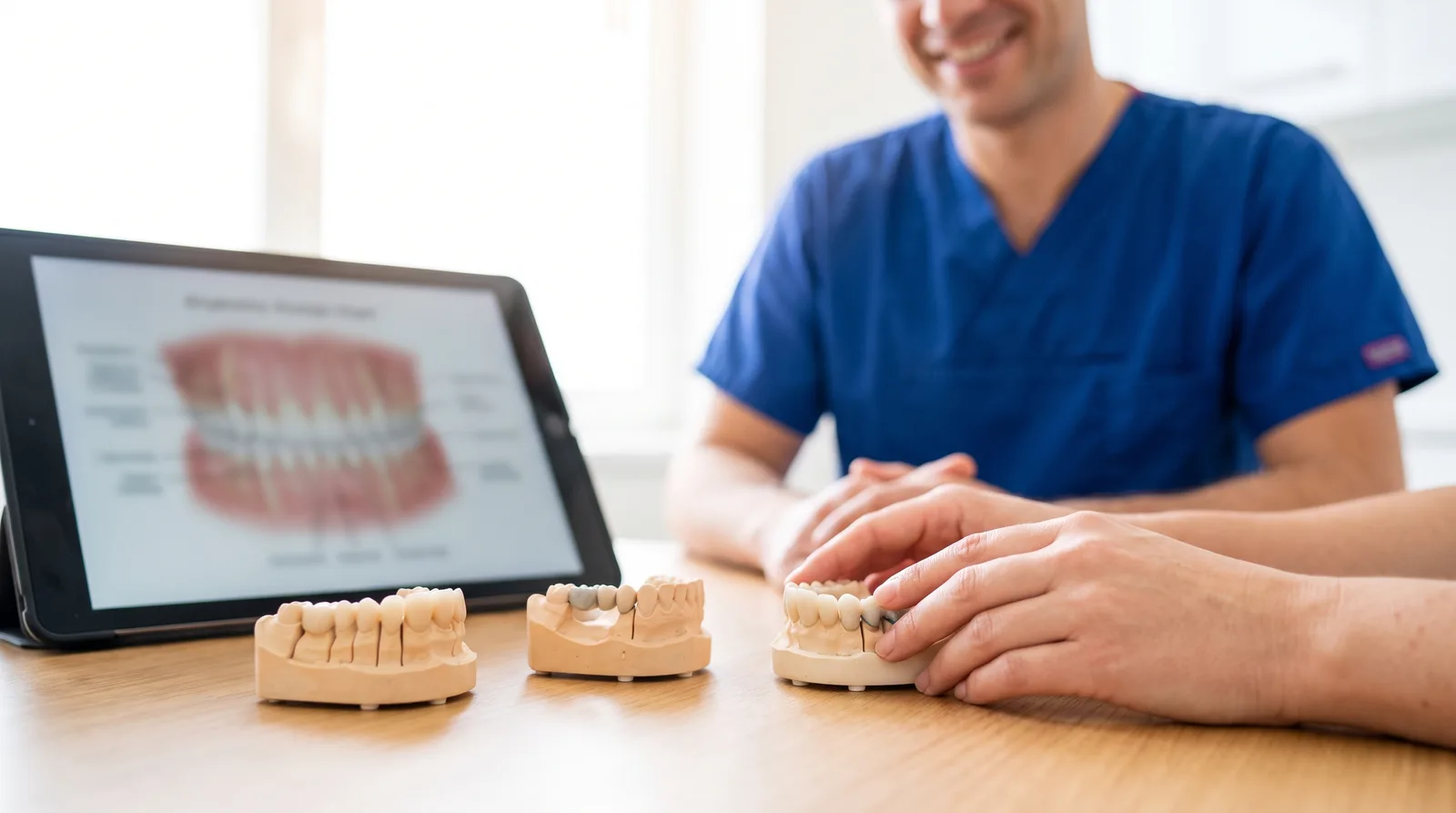
Types of dental bridges genuinely include three main options: traditional, cantilever, and Maryland bridges, each built differently and suited to different situations. If you're missing a tooth, understanding these differences genuinely helps you have a more informed conversation with your dentist. You can learn more about dental bridges at Willow directly.
All three types accomplish the same basic goal, replacing a missing tooth with a fixed appliance, but they differ in how they're supported and how much of your natural teeth they involve.
Knowing these differences upfront genuinely helps you understand why one option might be recommended over another for your own specific gap.
This guide walks through what makes each type different and how to think about which one might fit your specific situation.
Types of Dental Bridges: An Overview of Your Options
The three main quite distinct types of dental bridges genuinely differ quite a bit in how the replacement tooth, called a pontic, is genuinely supported by the surrounding natural teeth.
Traditional bridges use crowns on both sides of the gap, cantilever bridges use support from only one side, and Maryland bridges use a bonded framework rather than crowns at all.
Which type makes sense depends on the location of the missing tooth, the health of neighboring teeth, and how much force that area of your mouth typically handles.
A consultation with imaging is genuinely the only reliable way to determine which type fits your specific situation.
Understanding the basics of each option before that consultation genuinely helps you ask better questions and follow the reasoning behind whatever's recommended.
There's no need to arrive with a preference already decided. An open conversation about your specific goals genuinely leads to the best outcome.
What Is a Traditional Bridge and When Is It Used?
A traditional bridge genuinely uses a crown on each tooth adjacent to the gap, with the replacement tooth suspended between them, and it's the most common bridge type by far.
| Bridge Type | Support Structure |
|---|---|
| Traditional | Crowns on both adjacent teeth |
| Cantilever | Crown on one adjacent tooth only |
| Maryland | Bonded framework, no crowns |
This type genuinely requires healthy teeth on both sides of the gap, since both will need to be prepared and crowned to support the bridge.
If either neighboring tooth already has a large filling or crown, using it as an abutment can sometimes make even more sense than leaving it untouched.
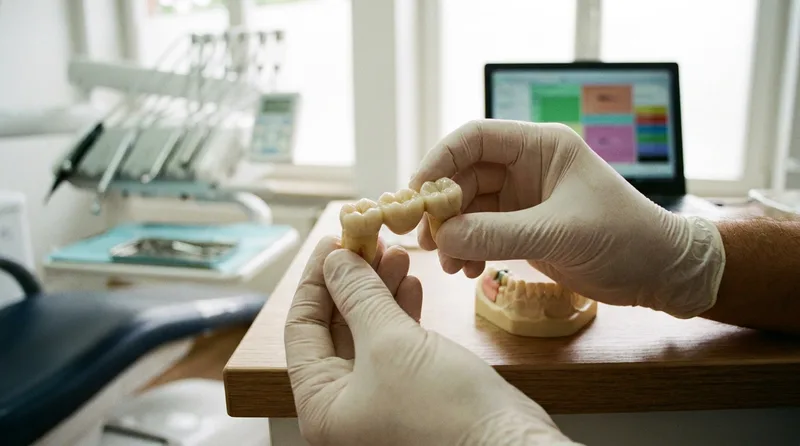
Our guide on dental bridge cost covers how pricing varies across these different types in more detail.
Traditional bridges are genuinely well-established and reliable, which is part of why they remain the default recommendation for most patients missing a single tooth.
Roughly 20% of adults have some form of untreated tooth decay, according to Mayo Clinic oral health resources, and decay left untreated is sometimes what eventually leads to tooth loss and a bridge.
Not Sure Which Bridge Type Fits?
Dr. Jeong can evaluate your specific situation and recommend the right option.
Request an Appointment →What Is a Cantilever Bridge and Why Is It Less Common Today?
A cantilever bridge genuinely uses support from only one single adjacent tooth, which is genuinely quite useful when there's only one natural tooth next to the gap rather than two.
Because a cantilever bridge places more leverage and stress on that single supporting tooth, it's genuinely used less often today compared to alternatives like implants.
According to the ADA's general patient care resources, treatment planning genuinely considers the specific forces a restoration will need to withstand long-term.
This is exactly why location within the mouth genuinely matters as much as the number of available neighboring teeth when planning treatment.
When a cantilever bridge is appropriate, it's typically used in lower-stress areas of the mouth rather than back teeth that handle heavy chewing forces.
Implants have genuinely become a more common alternative to cantilever bridges specifically, since they don't place extra stress on a neighboring natural tooth.
That said, a cantilever bridge can still be entirely appropriate in the right situation, particularly when an implant isn't feasible for some reason.
What Is a Maryland Bridge and Who's a Good Candidate?
A Maryland bridge genuinely uses a metal or porcelain framework bonded quite carefully to the back of adjacent teeth, genuinely avoiding the need for any crowns on otherwise healthy teeth.
- Minimal tooth preparation. Neighboring teeth aren't significantly altered
- Best for front teeth. Lower bite force areas suit this type well
- Conservative option. Preserves more natural tooth structure
- Less ideal for back teeth. Higher chewing forces reduce durability
Patients who want to avoid altering healthy neighboring teeth often find this option genuinely appealing, provided the location is appropriate for its more limited strength.
This conservative approach genuinely matters more to some patients than others, particularly those who feel strongly about preserving as much natural tooth structure as possible.
Discuss this preference openly during your consultation, since it can genuinely factor into which option your dentist ultimately recommends for your situation.
Nearly 92% of adults have had at least one cavity in their lifetime, according to ADA general patient resources, and many patients considering a bridge are also managing existing dental history that factors into which type fits best.
How Do These Types Compare in Durability and Appearance?
Traditional bridges genuinely tend to be the single most durable option overall, given their own solid crown support on both sides together, followed by cantilever bridges and then Maryland bridges.
All three types can look genuinely natural when properly fitted, though the specific appearance depends on the material used and how well the pontic matches your surrounding teeth.
Our guide comparing dental implants versus bridges covers how bridges overall compare to implants if you're weighing broader options.
Appearance-wise, a well-made bridge of any type can genuinely blend in seamlessly, so durability and tooth preservation tend to matter more than looks alone.
Modern materials genuinely make it possible to match the shade and shape of surrounding teeth closely, regardless of which specific bridge type is used.
Ask to see examples of previous work if appearance is a major concern for you, since seeing results firsthand can genuinely ease any worry.
How Do You Know Which Bridge Type Fits Your Situation?
Determining which specific bridge type genuinely fits your own situation best depends on the location of your missing tooth, the condition of neighboring teeth, and your own specific bite forces.
Dr. Jeong will evaluate your mouth directly, likely with an X-ray, to determine which type genuinely makes sense for your situation.
This evaluation typically takes just one visit, giving you a clear recommendation before any treatment actually begins.
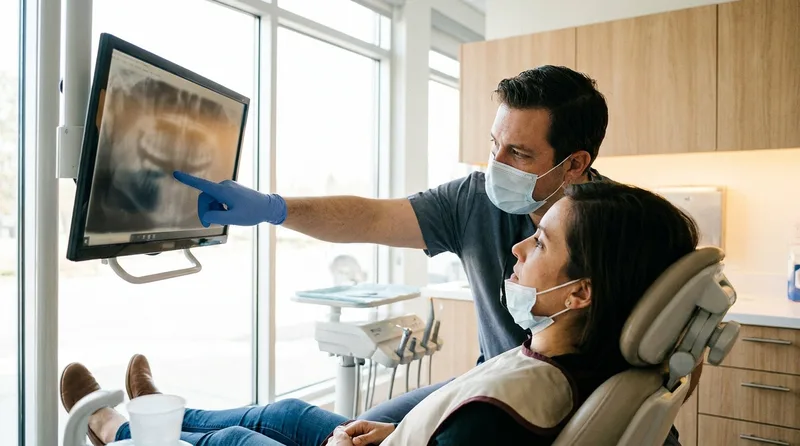
Bringing your specific concerns and questions to the consultation helps ensure you understand exactly why a particular type is being recommended.
There's no substitute for an in-person evaluation here, since your own bite and the condition of neighboring teeth genuinely determine what's realistic.
Understanding the different bridge options genuinely helps you have a more informed conversation about your own treatment. Results may vary. Please consult with Dr. Jeong for personalized treatment recommendations.
If you're missing a tooth and exploring options, our team is happy to help you understand what fits your situation.
- Schedule a consultation for an exam and imaging
- Discuss which bridge type fits your specific gap and bite
- Review the recommended treatment plan and timeline
- Move forward once you feel confident in the plan
Find the Right Bridge for Your Smile
Dr. Jeong can evaluate your specific situation and recommend the right bridge type.
Request an Appointment →Dr. Esther B. Jeong, DDS
DDS · Willow Family Dentistry
Wylie family dentist with 15+ years of experience providing gentle, judgment-free dental care.
Frequently Asked Questions
Was this article helpful?
You may also like



Have a dental question?
Schedule a consultation and get personalized answers from Dr. Jeong.
Call us
(972) 881-0715
Hours
Mon – Thu: 9am – 5pm
Fri: By Appointment
Location
1125 W FM 544, Wylie
Emergency? Same-day appointments available.