Tooth Sensitive After Filling: How Long Is It Normal to Last?

Tooth sensitive after filling how long it should last is genuinely one of the most common questions patients ask in the days that follow, and in the vast majority of cases, it's a normal, temporary part of healing rather than a sign something went wrong. You can learn more about dental fillings at Willow directly.
This guide covers how long that sensitivity typically lasts, what causes it, and the specific signs that mean it's worth a call rather than just waiting it out.
By the end, you should have a clear sense of what to expect over the coming days, and exactly when it's reasonable to reach out.
Knowing what's genuinely normal ahead of time can make the first week or two after treatment feel a lot less uncertain.
Whether you just had a cavity filled or received a new crown, the general healing pattern genuinely follows a similar, predictable arc.
Think of this early period as your tooth settling back into its normal routine, rather than a sign that anything requires immediate attention.
This settling-in period is genuinely universal across restorative treatments, whether it's your first filling or your fifth crown.
Tooth Sensitive After a Filling or Crown: Is This Normal?
Yes, mild sensitivity to hot, cold, or pressure is genuinely a quite normal part of healing after either a filling or a crown, since both procedures genuinely involve reshaping the tooth.
This temporary reaction happens because the tooth's nerve gets irritated during preparation, not because anything was done incorrectly during your treatment.
Even a carefully performed, routine procedure genuinely involves some disruption to the tooth, which is simply part of how dental restorations work.
This is true even for the most routine, straightforward cases, since any manipulation of the tooth structure genuinely has some effect on the nerve.
Most patients notice this sensitivity easing gradually over the days following treatment, rather than staying constant or getting worse.
Roughly 20% of adults have some form of untreated tooth decay, according to Mayo Clinic oral health resources, and treating that decay with a filling or crown is exactly what leads to this temporary adjustment period.
Dr. Jeong reviews what to expect with every patient before they leave, though this guide gives you a fuller reference for the days ahead.
This isn't meant to replace that conversation, just to give you something to refer back to once you're home.
Feel free to call with any specific question that comes up, even one that feels minor, rather than waiting until your next scheduled visit.
Our team would genuinely rather field a quick question now than have you spend days wondering whether something needs attention.
Why Does Tooth Preparation Cause Sensitivity in the First Place?
Tooth preparation genuinely involves carefully removing some natural tooth structure, which temporarily irritates the nerve inside before it genuinely settles back down quite calmly again over the following several days.
| Timeframe | What to Expect |
|---|---|
| First 48-72 hours | Sensitivity often peaks here |
| First week | Gradual improvement typically begins |
| 1-2 weeks | Most patients feel back to normal |
If a bite feels slightly high after your appointment, that pressure can also genuinely contribute to ongoing sensitivity until it's adjusted.
A quick bite adjustment is a simple, genuinely common fix, so don't hesitate to mention it if chewing feels uneven afterward.
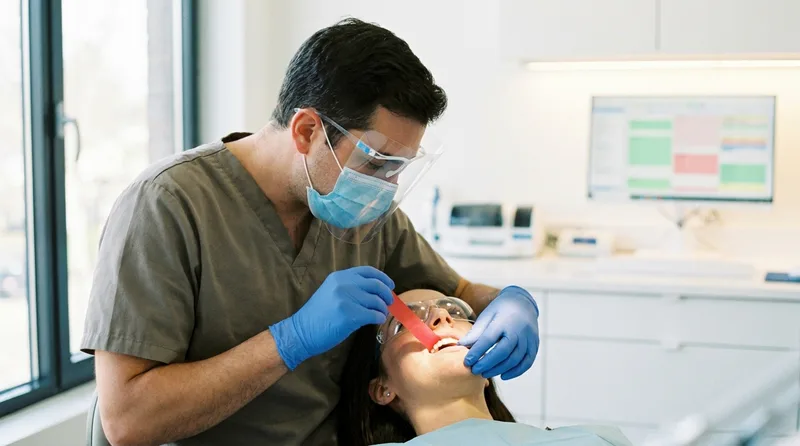
This specific adjustment usually takes just a few minutes and genuinely resolves pressure-related sensitivity right away.
Patients are often surprised at how much difference a small bite adjustment makes, especially when chewing had felt uncomfortable beforehand.
If you notice your bite feels off even slightly, it's always worth a quick call rather than adjusting how you chew to compensate.
Still Sensitive and Wondering If It's Normal?
Our team is happy to take a quick look and put your mind at ease.
Request an Appointment →How Long Does Sensitivity Typically Last After a Filling?
Sensitivity after a filling genuinely tends to resolve within just a few days to about two full weeks overall, with most patients noticing steady improvement rather than any sudden stop.
According to the ADA's general patient care resources, hot and cold sensitivity in the first couple weeks after a restoration is a well-recognized, expected part of recovery.
Our guide on teeth sensitive to sweets covers sensitivity that isn't tied to a recent procedure, if that sounds more like your situation.
Keeping track of whether your sensitivity started right after treatment genuinely helps identify which guide actually applies to your situation.
If sensitivity was already present before your appointment, that's genuinely a different situation than sensitivity that began specifically after treatment.
Pre-existing sensitivity sometimes genuinely improves after a filling or crown addresses the underlying decay that was causing it in the first place.
This is genuinely one of the more reassuring outcomes, since treatment that resolves an old problem often leaves the tooth feeling better overall.
How Long Does Sensitivity Typically Last After a Crown?
Crown sensitivity genuinely tends to last a bit longer than filling sensitivity overall, often a week or two, since genuinely more tooth structure is typically reshaped during the entire process.
Nearly 10 to 20% of patients report some degree of sensitivity after a crown is placed, according to ADA general patient resources, which genuinely makes this one of the most common post-treatment experiences overall.
Our guide on how long a dental crown lasts covers the bigger picture once this initial adjustment period passes.
Once this adjustment period is behind you, most patients genuinely forget the crown is even there during everyday eating and chewing.
A well-fitted crown genuinely functions just like a natural tooth once this initial healing window has fully passed.
What Can Make Sensitivity Last Longer Than Expected?
A bite that's slightly too high, a tooth that already had significant decay or a crack beforehand, or gum tissue that's still healing can all genuinely extend typical sensitivity further.
- High bite. Extra pressure on the tooth during chewing
- Prior tooth damage. Deep decay or a crack before treatment
- Gum healing. Tissue irritation from the procedure itself
- Temporary restoration. Less insulation than the permanent version
None of these factors are cause for alarm on their own, but they genuinely explain why some patients notice sensitivity a bit longer than others.
Mentioning your own specific dental history at your appointment genuinely helps set realistic expectations for your own recovery timeline.
Patients with a history of sensitive teeth generally, even before treatment, sometimes find their own recovery window runs a bit longer than average.
This is genuinely normal and simply reflects how that particular tooth and nerve respond, rather than suggesting anything went wrong.
Your own dental history is genuinely a normal part of this picture, and Dr. Jeong takes it into account when discussing what to expect.
When Should Sensitivity Be a Reason to Call Your Dentist?
Sensitivity that's genuinely worsening rather than improving, severe throbbing pain, or discomfort that genuinely continues well past a full two weeks warrants a fairly prompt call rather than more waiting.
These specific patterns can suggest a bite adjustment is needed or that something beyond normal healing is going on with the tooth.

Our team is always happy to take a quick look rather than have you wonder whether what you're feeling is genuinely normal.
Peace of mind is genuinely worth a short appointment, especially when the alternative is days of uncertainty about whether something's wrong.
A brief follow-up visit is usually all it takes to identify and resolve the specific cause behind ongoing sensitivity.
Most of these follow-up visits are quick and straightforward, often resolving the issue in that same appointment.
There's genuinely no need to feel like you're overreacting by coming in. Confirming everything looks right is exactly what these visits are for.
Tooth sensitivity after a filling or crown is genuinely common and typically resolves within one to two weeks on its own. Results may vary. Please consult with Dr. Jeong for personalized treatment recommendations.
If your sensitivity doesn't match this general timeline, our team is happy to take a look.
- Track whether sensitivity is improving or staying the same day to day
- Avoid very hot or cold foods on the treated tooth temporarily
- Mention a high bite feeling to our team if you notice one
- Call if sensitivity worsens or continues past two weeks
Still Sensitive After Treatment?
Dr. Jeong can take a quick look and confirm everything is healing normally.
Request an Appointment →Dr. Esther B. Jeong, DDS
DDS · Willow Family Dentistry
Wylie family dentist with 15+ years of experience providing gentle, judgment-free dental care.
Frequently Asked Questions
Was this article helpful?
You may also like


Have a dental question?
Schedule a consultation and get personalized answers from Dr. Jeong.
Call us
(972) 881-0715
Hours
Mon – Thu: 9am – 5pm
Fri: By Appointment
Location
1125 W FM 544, Wylie
Emergency? Same-day appointments available.