Tooth Extraction Recovery, Day by Day (What Is Normal)
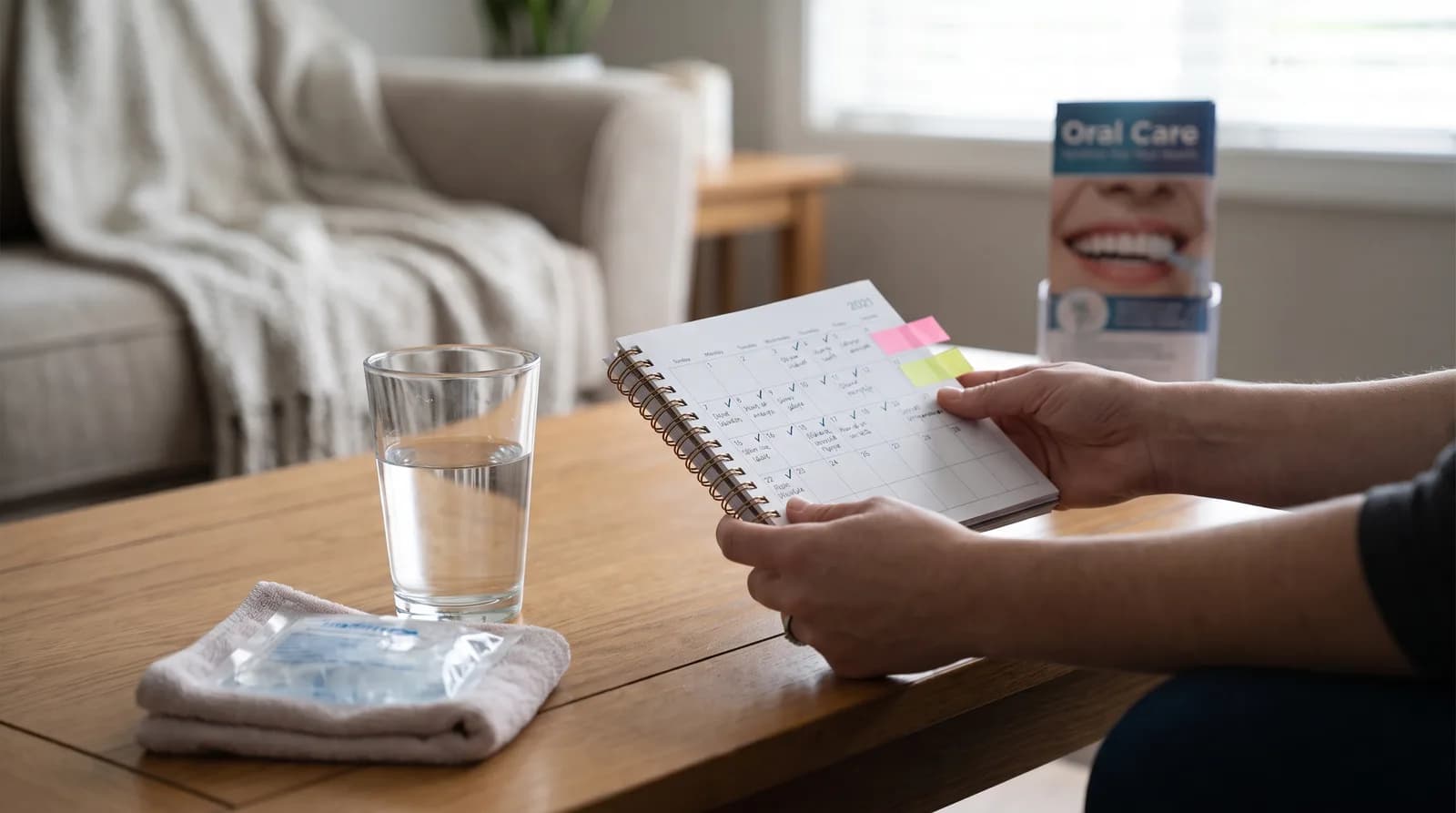
Tooth extraction recovery follows a predictable timeline, and knowing what to expect at each stage prevents the anxiety that drives unnecessary ER visits and after-hours calls to an emergency dentist in Wylie, TX. The swelling that alarms you on day 3 is completely normal. The white tissue forming over the socket on day 5 isn't infection. The mild ache that persists through week 2 doesn't mean something went wrong. Understanding the healing sequence, hour by hour for the first day and day by day for the following two weeks, lets you recover calmly and recognize the rare situations that actually need attention.
If something does not look right during your recovery, do not wait it out. Our emergency dental care in Wylie page explains how to reach us the same day.
Dr. Esther Jeong at Willow Family Dentistry in Wylie, TX provides these recovery instructions to every extraction patient and follows up to ensure healing is on track. This guide expands on those instructions so you have a comprehensive reference available whenever the 2 AM worry hits. The ADA notes that the vast majority of extraction sites heal without complication when patients follow post-operative care protocols.
Book same-day emergency care →
First 24 Hours: Hour-by-Hour Recovery
The first day sets the foundation for everything that follows. The blood clot that forms in the extraction socket is the single most important element of healing. Protecting it is your only job.
- Hours 0-1 (at the office): You leave with gauze pads over the extraction site. Bite firmly with consistent pressure for 30-45 minutes. Don't peek, don't change the gauze every 5 minutes, don't talk. Steady pressure allows the blood clot to consolidate. Numbness from local anesthesia persists. Start your prescribed ibuprofen (600mg) now, before the numbness wears off. This gets ahead of the inflammation before it starts.
- Hours 1-4: Remove the gauze after 30-45 minutes. If bleeding continues (more than slight oozing), place a fresh gauze pad and bite for another 30 minutes. Some pink-tinged saliva is normal and can persist for 12-24 hours. Apply ice packs to the outside of your cheek: 20 minutes on, 20 minutes off. The ice doesn't reduce current swelling (which hasn't started yet) but slows the inflammatory cascade that produces the swelling coming on days 2-3. Eat only cold, soft foods: ice cream, yogurt, cold smoothies (no straw). Keep your head elevated.
- Hours 4-8: Numbness fades. You'll feel soreness at the extraction site as the anesthesia wears off. This is the moment you're glad you started ibuprofen early. Continue the 600mg every 6 hours on a schedule, not as-needed. According to the Mayo Clinic, maintaining anti-inflammatory medication levels through the first 48 hours produces significantly better comfort outcomes than reactive dosing. If Dr. Jeong prescribed a stronger medication for complex extractions, follow that protocol instead. Don't drink through a straw. Don't spit. Don't rinse.
- Hours 8-24: Settle in for the evening. Sleep with your head elevated on an extra pillow to reduce blood flow to the surgical area. Slight oozing on your pillow (pink stain) is normal. Continue ice packs if still awake. No alcohol (thins blood, impairs clotting). No smoking (vasoconstriction and suction destabilize the clot). No hot foods or drinks (heat dilates blood vessels and can restart bleeding).
Days 2-3: Peak Swelling
This is when most patients worry because it looks worse before it looks better. Swelling increases on day 2 and peaks around day 3 (48-72 hours post-extraction). This is normal inflammation, not infection. Your body is sending blood flow, immune cells, and healing factors to the surgical site. That increased fluid causes the swelling you see externally.

Swelling and Bruising
For a single back-tooth extraction, swelling is usually mild (slightly puffy along the jawline). For surgical extractions or wisdom teeth, swelling can be more visible (round cheek, visible from the front). Bruising may appear on the skin along the jawline or neck, particularly in patients with thinner skin or those who were on blood thinners. The bruising is cosmetic and resolves within 7-10 days.
Heat and Soft Foods
Switch from ice to warm, moist heat on day 2-3. A warm washcloth held against the swollen area for 20 minutes at a time increases blood flow and helps the swelling resolve faster. Continue ibuprofen on schedule. Expand to warm soft foods: soup (not hot), oatmeal, mashed potatoes, scrambled eggs, pasta.
Saltwater Rinses
You can begin gentle saltwater rinses on day 2: dissolve 1/2 teaspoon of salt in 8 ounces of warm (not hot) water, take a mouthful, gently tilt your head to let it flow over the extraction site, and let it fall out of your mouth. Don't swish forcefully. Don't gargle. The salt rinse keeps the site clean without disturbing the clot. The ADA recommends saltwater rinses 3-4 times daily starting 24 hours after extraction.
Days 4-7: The Turning Point
Day 4-5 is when most patients feel the shift. Swelling begins to recede visibly each day. Soreness transitions from constant to intermittent, triggered by specific movements (wide opening, chewing near the site) rather than present at rest. You can reduce ibuprofen to as-needed rather than scheduled dosing.
The White Tissue You'll See
The extraction site may look alarming at this stage. The blood clot has been replaced by granulation tissue: a white or yellowish tissue that looks like a film over the socket. This is not pus. This is not infection. This is healthy healing tissue that will eventually fill the socket completely. According to oral surgery research, the white appearance of granulation tissue is the most commonly misidentified post-extraction finding, prompting unnecessary emergency calls.
Brushing and Diet
Resume gentle brushing around (not directly on) the extraction site. Use a soft-bristled brush and avoid the socket itself for another week. Continue saltwater rinses after meals. Expand your diet to include most soft and medium-textured foods: sandwiches (soft bread), cooked vegetables, rice, fish. Avoid hard, crunchy, sharp, and very chewy foods near the extraction site.
Sutures and Stitches
Sutures, if placed, are typically dissolving sutures that begin loosening around days 5-7. They may feel like loose threads or small bits of food. Don't pull them. Let them dissolve or fall out on their own. If non-dissolving sutures were placed, Dr. Jeong removes them at the 1-week follow-up visit.
Days 7-14: Functional Recovery
By day 7-10, most patients feel functionally normal. The socket is covered by soft tissue. Soreness is minimal or absent. Jaw stiffness from limited opening during the first week resolves as you gradually return to normal opening range.

Eating During Tooth Extraction Recovery
You can eat most foods by day 10, continuing to avoid extremely hard or crunchy items directly over the extraction site for another week.
How the Socket Fills In
The socket continues filling with granulation tissue that gradually converts to new bone over the following months. You won't feel this process, but the hole you could feel with your tongue on day 3 becomes shallower each week. Complete bone fill takes 3-6 months. Complete soft tissue closure happens within 3-4 weeks for most extraction sites.
Getting Back to Exercise
Return to full activity including exercise by day 3-5 for simple extractions and day 7-10 for surgical extractions. Start with light activity and increase gradually. Heavy lifting and intense exercise that increase blood pressure can cause late bleeding from the extraction site if resumed too early.
Related: Wisdom teeth have the same recovery timeline but may take longer. → Wisdom Teeth Removal: What to Expect
How to Prevent Dry Socket
Dry socket (alveolar osteitis) occurs when the blood clot in the extraction socket is dislodged or dissolves prematurely, exposing the underlying bone to air, food, and bacteria. The result is intense, throbbing pain that starts 3-5 days after extraction, radiates to the ear, and doesn't respond well to ibuprofen alone.
It affects 2-5% of routine extractions and up to 25% of impacted lower wisdom teeth. The Mayo Clinic identifies smoking as the single biggest modifiable risk factor.
Prevention is specific and actionable.
- Don't smoke for at least 72 hours (ideally 7 days). Smoking is the number-one cause: the suction draws on the clot, and the chemicals impair blood flow to the healing site.
- Don't use straws for 7 days (same suction risk).
- Don't spit forcefully for 48 hours (let liquids fall from your mouth).
- Don't poke the socket with your tongue or finger.
- Don't eat hard, crunchy, or sharp foods near the site during the first week.
- Don't rinse aggressively (gentle saltwater flow only).
If dry socket occurs despite precautions, Dr. Jeong treats it in-office the same day. She gently irrigates the socket and places a medicated dressing containing eugenol (clove oil derivative) that provides rapid pain relief, usually within 1-2 hours. The dressing is replaced every 2-3 days until the socket begins healing on its own. Dry socket adds 7-10 days to the recovery timeline but causes no permanent damage.
Book same-day emergency care →
What Should You Eat During Tooth Extraction Recovery?
The most important nutrition tip: don't under-eat. Patients who restrict their diet too aggressively after extraction feel worse because their body needs calories and protein to heal. Smoothies with protein powder, Greek yogurt, mashed avocado, and scrambled eggs provide the nutrients healing tissue needs.
| Recovery Phase | Safe Foods | Avoid |
|---|---|---|
| Day 0-1 | Ice cream, yogurt, cold smoothies, applesauce, pudding | Hot foods, straws, crunchy, spicy, acidic |
| Days 2-3 | Warm soup, mashed potatoes, oatmeal, scrambled eggs, avocado | Straws, crunchy, chewy, seeds, nuts, rice (gets in socket) |
| Days 4-7 | Soft pasta, fish, cooked vegetables, soft bread, bananas | Hard chips, nuts, raw vegetables, tough meat near site |
| Days 7-14 | Most normal foods, chewing on the opposite side | Hard/sharp foods directly over the extraction site |
According to clinical recovery data, patients who maintain adequate caloric and protein intake during the first week recover faster and report less fatigue than those who survive on broth alone.
When Should You Call the Dentist?
Most post-extraction symptoms are normal parts of the healing process. But a few signs warrant a same-day call to Dr. Jeong's office at (972) 881-0715.
If your extraction is part of a full-mouth plan with a denture placed the same day, see our immediate dentures guide for that specific timeline. None of these should wait for the next business day. Willow Family Dentistry treats post-extraction bleeding, dry socket, and spreading infection as urgent, and same-day emergency dental care can mean irrigating and dressing the socket, adjusting your medication, or starting antibiotics in the same visit. Calling at the first sign usually keeps the fix simple.
- Heavy bleeding that soaks through gauze within 15-20 minutes and doesn't slow with firm pressure after 45 minutes. Slight oozing and pink saliva for 24 hours is normal. Active bleeding that fills your mouth is not.
- Fever above 101.5°F (38.6°C) that persists beyond 24 hours post-surgery. A low-grade temperature (99-100°F) on the evening of surgery is a normal inflammatory response. Sustained high fever suggests infection.
- Swelling that worsens after day 4. Normal swelling peaks at day 3 and improves daily. Swelling that continues increasing on day 5-6 or new swelling that appears after initial improvement suggests a developing infection.
- Intense throbbing pain starting on day 3-5 that isn't controlled by ibuprofen and radiates to your ear. This pattern is classic dry socket and should be evaluated the same day for medicated dressing placement.
- Numbness in the lip, chin, or tongue that persists beyond 24 hours after the anesthesia should have worn off. Prolonged numbness can indicate nerve irritation during the extraction that needs monitoring. According to the ADA, persistent numbness occurs in 1-5% of lower wisdom tooth extractions and resolves in the majority of cases within weeks to months.
- Something that feels like bone poking through the gum at the extraction site. Small bone fragments (bone sequestrae) occasionally work their way to the surface during healing. They feel sharp and irritating but are easily removed by Dr. Jeong in a quick, painless office visit.
Book same-day emergency care →
Related: Managing dental pain at home. → Cavity Pain Relief: Manage It Until You See Your Dentist
Tooth extraction recovery is predictable when you know the timeline. The first 24 hours protect the clot. Days 2-3 are the swelling peak. Days 4-7 are the turning point. By day 7-10 you're functionally normal. Dry socket is preventable with specific, simple precautions. And the rare complications that need attention have recognizable signs that are different from normal healing. If you're recovering from an extraction at Willow Family Dentistry and something doesn't match this timeline, call (972) 881-0715. Dr. Jeong would rather hear from you early and reassure you than have you worry through the weekend.
Need an Extraction? Know What to Expect.
Dr. Jeong provides detailed recovery instructions, follow-up monitoring, and same-day access for any post-op concerns. Your recovery is supported from start to finish.
Request an Appointment →Post-extraction concern? Call now.
Call (972) 881-0715 →Dr. Esther B. Jeong, DDS
DDS · Willow Family Dentistry
Wylie family dentist with 15+ years of experience providing gentle, judgment-free dental care.
Frequently Asked Questions
Was this article helpful?
You may also like


Have a dental question?
Schedule a consultation and get personalized answers from Dr. Jeong.
Call us
(972) 881-0715
Hours
Mon – Thu: 9am – 5pm
Fri: By Appointment
Location
1125 W FM 544, Wylie
Emergency? Same-day appointments available.