Signs You Need a Root Canal vs Just a Filling: How to Tell

Signs you need a root canal vs just a filling genuinely come down to one key question: does the pain linger after the trigger is gone, or does it fade quickly? That single distinction is often the clearest early clue, though only an actual dental exam can confirm which treatment your tooth genuinely needs. You can learn more about restorative dentistry at Willow directly.
This guide walks through the general symptom patterns dentists look for, so you have a clearer sense of what's happening before your appointment, not to replace the exam itself.
None of this is meant as a self-diagnosis tool. It's simply a way to understand your own symptoms well enough to describe them clearly when you call.
Being able to describe exactly when pain started, how long it lasts, and what triggers it genuinely helps your dentist narrow things down faster during your visit.
Keeping a brief mental note, or even jotting down when symptoms occur, genuinely gives your dentist more useful information than trying to recall everything on the spot.
Signs You Need a Root Canal vs Just a Filling: The Key Difference
The key difference genuinely comes down to how deep the damage goes: a filling addresses decay limited to the outer tooth, while a root canal is needed once decay or infection reaches the inner pulp.
The pulp contains the tooth's nerve and blood supply, which is exactly why pain patterns change so dramatically once decay reaches that level.
Before decay reaches this point, a tooth genuinely has no way to signal serious trouble beyond mild, temporary sensitivity, which is exactly why fillings work so well early on.
Mild, brief sensitivity usually points toward a filling, while pain that lingers, intensifies, or shows up without any trigger at all usually points toward a root canal.
This guide covers the general patterns, though your own dentist's exam and any needed X-rays are what actually confirm which treatment fits your specific tooth.
Think of these patterns as a starting point for the conversation with your dentist, not a final answer on their own.
Every tooth and every patient is a little different, so these general patterns genuinely won't match every single case perfectly.
Some patients experience a genuinely atypical presentation, which is exactly why a hands-on exam remains the gold standard rather than symptom checklists alone.
What Symptoms Usually Mean a Filling Is Enough?
Mild sensitivity to hot, cold, or sweet foods that genuinely fades quite quickly once the trigger itself is removed suggests decay that hasn't reached the tooth's own nerve just yet.
| Symptom | Usually Suggests |
|---|---|
| Brief sensitivity, fades quickly | Filling |
| Lingering pain after trigger removed | Root canal |
| Spontaneous pain, no trigger | Root canal |
A small visible hole or dark spot, a rough edge, or mild discomfort while chewing are also genuinely common signs that typically point toward a straightforward filling.
Catching these early signs before symptoms progress genuinely matters, since untreated decay can advance from a simple fix to a much more involved one.

Roughly 20% of adults have some form of untreated tooth decay, according to Mayo Clinic oral health resources, and this exact progression from mild to severe is often how a simple filling case turns into a root canal case.
Our guide on composite versus amalgam fillings covers what the filling process itself actually involves.
Knowing what the simpler treatment path actually looks like can genuinely help ease some of the uncertainty while you wait for your appointment.
Most patients find that once a filling is placed, symptoms resolve completely and the tooth functions normally going forward.
A properly placed filling genuinely restores both function and comfort, often within a day or two of any mild post-treatment sensitivity settling down.
Not Sure What Your Symptoms Mean?
Dr. Jeong can evaluate your specific tooth and recommend the right treatment.
Request an Appointment →What Symptoms Suggest You Might Need a Root Canal?
Pain that lingers well after a hot or cold trigger is removed, or pain that shows up on its own without any clear cause, genuinely suggests the nerve itself is affected.
- Lingering pain. Discomfort that continues after the trigger is gone
- Spontaneous pain. Aching that appears without any clear trigger
- Pain at night. Discomfort that wakes you up or worsens lying down
- Tooth discoloration. A tooth darkening compared to its neighbors
- Pain when chewing. Discomfort specifically with pressure or biting
Any one of these symptoms alone is worth mentioning to your dentist, and having more than one genuinely increases the likelihood that the nerve is involved.
According to the ADA's general patient care resources, these symptoms genuinely warrant a prompt dental evaluation rather than waiting to see if they resolve on their own.
Waiting rarely makes these particular symptoms better, since an affected nerve genuinely doesn't heal on its own the way a minor irritation might.
In fact, delaying treatment once these symptoms appear genuinely tends to make the eventual treatment more involved, not less.
Why Does Lingering Pain Matter So Much in This Distinction?
Lingering pain genuinely matters a great deal because it reflects actual nerve involvement, which a filling alone genuinely cannot fully resolve since it doesn't address the tooth's own inner pulp directly.
Nearly 92% of adults have had at least one cavity in their lifetime, according to ADA general patient resources, and most of those cavities are caught and treated long before reaching this stage.
Once the nerve is genuinely inflamed or infected, the pain pattern shifts from a brief, triggered reaction to a persistent, sometimes throbbing sensation that doesn't fully go away.
This shift is genuinely the clearest signal that the situation has moved beyond what a filling alone can address.
Recognizing this shift in your own symptoms is genuinely the most useful thing you can bring to your next dental appointment.
What Counts as an Urgent Symptom You Shouldn't Wait On?
Facial or gum swelling, a fever alongside tooth pain, or a visible bump on the gum near the tooth are genuinely signs of infection that warrant prompt attention rather than waiting.
These specific symptoms suggest the infection may be spreading beyond the tooth itself, which is a different level of urgency than ordinary sensitivity or mild discomfort.
An infection that spreads beyond the tooth genuinely carries more risk than one that's contained, which is exactly why these specific symptoms get treated with more urgency.
A dental infection left untreated can, in rare cases, spread to other parts of the body, which is genuinely why prompt attention matters here specifically.
Roughly 36% of Americans report some level of dental anxiety, according to ADA general patient resources, and understanding these urgent symptoms ahead of time can genuinely make calling in for care feel less daunting.
Call Willow Family Dentistry promptly if you notice swelling, fever, or a persistent bump, rather than waiting for a routine appointment slot.
These particular symptoms suggest an active infection, which genuinely benefits from prompt attention rather than being added to a general waitlist.
Our team keeps time available for exactly this kind of urgent concern, so don't hesitate to mention these specific symptoms when you call.
How Does Your Dentist Actually Confirm Which One You Need?
Your own dentist genuinely confirms the diagnosis through a full clinical exam, X-rays, and often a specific cold or percussion test to check exactly how the tooth's nerve actually responds.
Our guide on the root canal procedure step by step covers what happens if that's genuinely the recommended treatment.
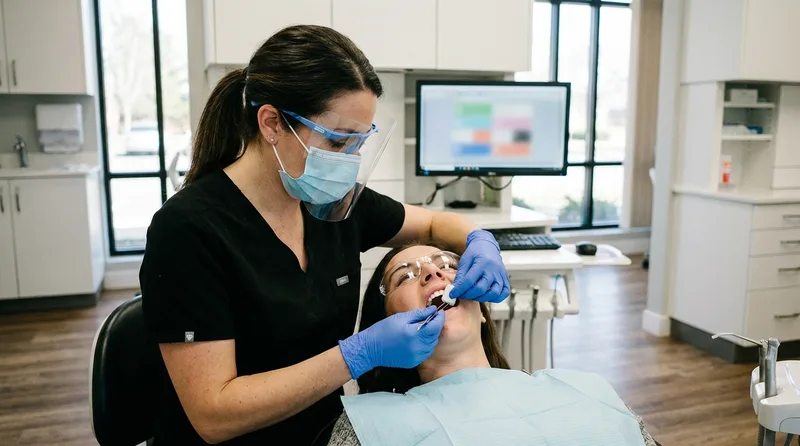
These symptom patterns are a helpful starting point, but they're not a substitute for the exam itself, since several conditions can genuinely look similar early on.
Our team would rather confirm things directly than have you guess at home, so don't hesitate to call with questions before your visit.
Knowing how your own pain behaves genuinely helps you understand what's happening before your visit, though only an exam can confirm it. Results may vary. Please consult with Dr. Jeong for personalized treatment recommendations.
If you're dealing with tooth pain and unsure what it means, our team is happy to help you figure out the next step.
- Pay attention to whether pain lingers or fades quickly
- Note any swelling, fever, or bumps on the gum
- Schedule an exam rather than waiting to see if it resolves
- Let X-rays and nerve testing confirm the actual diagnosis
Not Sure What Your Tooth Pain Means?
Dr. Jeong can evaluate your specific symptoms and recommend the right treatment.
Request an Appointment →Dr. Esther B. Jeong, DDS
DDS · Willow Family Dentistry
Wylie family dentist with 15+ years of experience providing gentle, judgment-free dental care.
Frequently Asked Questions
Was this article helpful?
You may also like



Have a dental question?
Schedule a consultation and get personalized answers from Dr. Jeong.
Call us
(972) 881-0715
Hours
Mon – Thu: 9am – 5pm
Fri: By Appointment
Location
1125 W FM 544, Wylie
Emergency? Same-day appointments available.