Root Canal vs Extraction in Wylie TX: How to Decide

When a tooth is badly infected or damaged, you often face a fork in the road: save it with a root canal, or remove it with an extraction. The root canal vs extraction decision affects your cost, your comfort, and your long-term oral health, and the right answer depends on your specific tooth. This guide walks through how dentists weigh that choice in Wylie.
What's the Core Difference Between a Root Canal and an Extraction?
A root canal saves the natural tooth by removing the infected pulp inside and sealing it, while an extraction removes the entire tooth. One preserves your own tooth; the other takes it out and leaves a gap that usually needs replacing.
That distinction drives everything else. With a root canal, the tooth stays in your mouth, roots and all, and continues to function and preserve the surrounding bone. With an extraction, the problem is gone but so is the tooth, which sets off a chain of consequences if the gap is not filled, neighboring teeth can drift, the opposing tooth can over-erupt, and the jawbone in that spot begins to shrink. Dentists strongly favor saving a natural tooth whenever it is realistically savable, because nothing replaces a healthy natural tooth quite as well as the tooth itself.
According to the American Dental Association, root canal treatment has a success rate above 95% and many treated teeth last 10 years or more, which is a major reason dentists lean toward saving teeth when they can.
When Is a Root Canal the Better Choice?
A root canal is usually preferred when the tooth structure is largely intact and the infection is confined to the pulp. If the tooth can be restored with a crown afterward, saving it is almost always better for your bite, bone, and long-term cost.

The guiding principle is salvageability. If enough healthy tooth remains to support a crown, and the surrounding bone and gum are healthy, a root canal lets you keep a functional tooth that looks and works like the original. This avoids the cascade of problems that follow a gap and spares you the longer, more involved process of replacing the tooth later. Even though a root canal plus crown is more work upfront than a simple extraction, it is frequently the more economical path over time because you are not paying to replace the tooth afterward. For most savable teeth, especially those visible when you smile, preservation wins.
When Is Extraction the Better Option?
Extraction makes sense when a tooth is too damaged to restore, has severe bone loss, a vertical root fracture, or extensive decay below the gumline. In those cases, trying to save it would only delay an inevitable loss and waste resources.
Sometimes a tooth is simply beyond saving. A crack that runs vertically down the root, decay that has destroyed too much structure, or advanced gum disease that has eroded the supporting bone can all make a tooth a poor candidate for a root canal. Attempting heroic treatment on a hopeless tooth is not in your interest, it postpones the extraction while adding cost and discomfort. In these situations a clean extraction followed by a planned replacement is the wiser path. The dentist's job is to be honest about which teeth are worth saving and which are not, and a good one will tell you plainly when extraction is the realistic choice.
Root Canal vs Extraction: A Side-by-Side Comparison
Comparing the two options across the factors that matter, longevity, cost, bone health, and follow-up, makes the trade-offs clear. The table below summarizes how they differ for a tooth that could realistically go either way.
| Factor | Root Canal | Extraction |
|---|---|---|
| Keeps natural tooth | Yes | No |
| Preserves jawbone | Yes | No, bone shrinks at the gap |
| Upfront effort | More (treatment plus crown) | Less (single procedure) |
| Needs replacement later | No | Usually yes (implant or bridge) |
| Long-term cost | Often lower overall | Higher once replacement is added |
The pattern is clear: when a tooth is savable, a root canal usually wins on bone health, function, and lifetime cost, while extraction is the right call only when the tooth genuinely cannot be restored. The exception is the long-term cost line, which flips in extraction's favor only if you choose not to replace the tooth, an option with its own downsides.
What Happens If You Extract and Don't Replace the Tooth?
Leaving a gap unfilled leads to shifting teeth, an uneven bite, bone loss in the jaw, and added strain on remaining teeth. What looks like the cheapest option upfront often creates more expensive problems down the line.
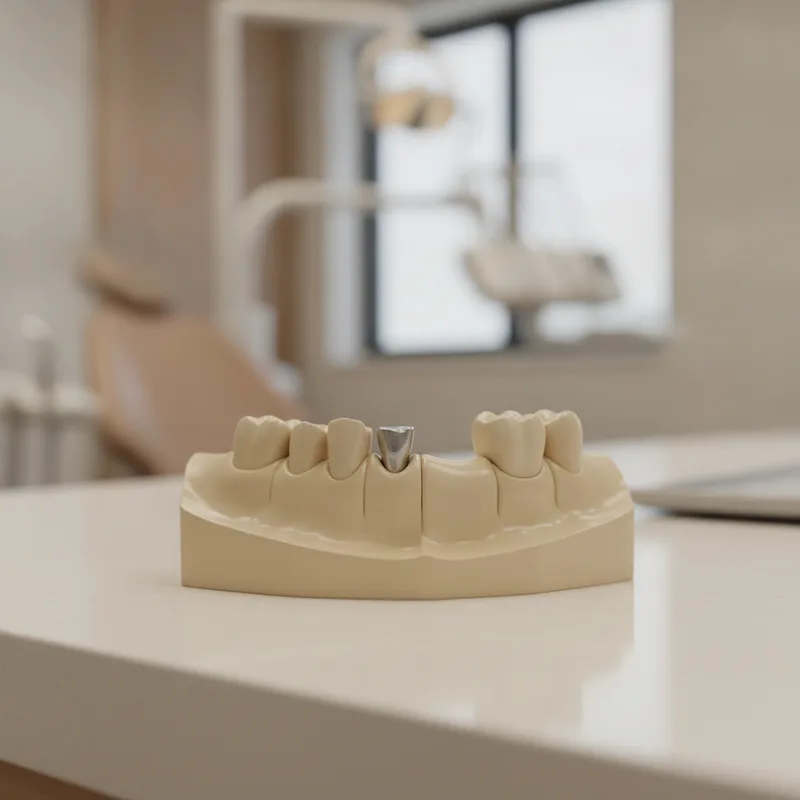
Teeth work as a system, and removing one without replacing it disrupts the whole arch. Adjacent teeth tilt toward the gap, the tooth above or below it drifts into the empty space, and the bone that once supported the missing tooth resorbs over time, with the jaw losing up to 25% of its width within the first year. This can change your bite, make cleaning harder, and complicate, or raise the cost of, replacing the tooth later. For a back tooth that does not show, some patients still choose not to replace it, but that is a decision to make with full awareness of the trade-offs rather than by default. If you do replace it, a dental implant is the option that best preserves bone and function.
How Does Cost Factor Into the Decision?
An extraction is cheaper upfront, but replacing the tooth afterward usually makes the total higher than a root canal and crown. When comparing options, weigh the full lifetime cost, not just the price of the immediate procedure.
It is easy to anchor on the upfront number, where extraction looks like the bargain, but that framing is misleading if you intend to replace the tooth. A root canal and crown is a one-time investment in keeping your own tooth, while an extraction is the first of two costs, removal plus an implant or bridge later. Once you add replacement, saving the natural tooth is frequently the more economical choice as well as the healthier one. If budget is the pressing concern, it is worth discussing payment options and pre-tax HSA or FSA dollars before defaulting to extraction purely on price.
How Will Your Dentist Help You Decide?
Your dentist evaluates the tooth with an exam and x-rays, assesses how much healthy structure and bone remain, and gives you an honest recommendation. The final decision is shared, balancing the clinical picture with your priorities and budget.

A trustworthy recommendation starts with diagnosis, not a default. The dentist looks at the extent of decay or fracture, the health of the surrounding bone, whether the tooth can support a crown, and your overall oral health, then explains in plain language whether the tooth is realistically savable. From there, the choice is collaborative: you weigh the clinical reality against what matters to you, longevity, cost, time, and anxiety. Public health guidance consistently emphasizes preserving natural teeth where possible, but a good dentist will never pressure you to save a tooth that genuinely should come out. The goal is the decision that serves your health and your circumstances best.
Does a Root Canal or Extraction Hurt More?
Both procedures are done under local anesthesia, so neither is painful at the time. Recovery is generally mild for each. A root canal relieves the infection pain you arrived with, while an extraction has a short healing period as the socket closes.
The fear that a root canal is agonizing is outdated, modern technique makes it feel much like a deep filling, and it actually ends the throbbing toothache that drove you to the dentist. An extraction is also numb and quick, with most discomfort afterward managed by over-the-counter pain relief and resolving within a few days. In terms of comfort, then, the two are closer than most people expect, and pain should rarely be the deciding factor. What differs is the aftermath: a root canal leaves you with a functioning tooth that needs a crown, while an extraction leaves a socket that heals over and a gap to address. Patients who are anxious about either procedure can ask about sedation options to make the visit more relaxed.
If you arrived in significant pain from a tooth infection, both options will relieve it, the root canal by cleaning out the infected pulp, the extraction by removing the source entirely. The choice between them comes down to whether the tooth is worth saving, not which hurts less.
What About Replacing the Tooth After an Extraction?
If you and your dentist choose extraction, planning the replacement is the important next step. The main options are a dental implant, a bridge, or a partial denture, each with different costs, longevity, and effects on the surrounding teeth and bone.
A dental implant is generally considered the gold standard because it replaces the tooth from root to crown, preserves the jawbone, and does not rely on neighboring teeth. A bridge fills the gap by anchoring to the adjacent teeth, which means grinding them down, and it does not prevent the bone loss underneath. A partial denture is removable and the least expensive option, but it is also the least stable and convenient. The best choice depends on the location of the tooth, your bone health, and your budget. Acting promptly after an extraction, sometimes with a bone graft to preserve the socket, keeps the most options open and the eventual replacement simpler.
This is exactly why dentists frame the root canal vs extraction question around the whole journey rather than the single procedure. Choosing to extract is really choosing to extract and replace, and understanding that upfront leads to a better decision and fewer surprises later.
The bottom line on root canal vs extraction: save the tooth when it can be saved, remove it when it truly cannot, and in either case plan for what comes next. An honest evaluation from your dentist, weighing the clinical facts against your own priorities, is the surest way to a decision you will be glad you made.
Can You Wait, or Do You Need to Decide Right Away?
If the tooth is infected or painful, you should not wait long, an active infection only worsens and can spread. While you do not have to decide in a single appointment, delaying treatment narrows your options and can turn a savable tooth into one that must be extracted.
Time generally works against you here. A tooth that could be saved with a prompt root canal may, after months of a spreading infection or worsening fracture, deteriorate to the point that extraction becomes the only option. So while it is reasonable to take a day or two to understand your choices and sort out logistics, sitting on an infected tooth is risky. If pain, swelling, or other emergency signs are present, same-day care should come first to stabilize the situation, and the longer-term root canal versus extraction decision can follow once you are out of discomfort. When in doubt, an evaluation sooner rather than later keeps the most doors open.
Results may vary. Please consult with Dr. Jeong for personalized treatment recommendations.
Facing this decision? Call (972) 881-0715 or contact our team for an honest evaluation.
Dr. Esther B. Jeong, DDS
DDS · Willow Family Dentistry
Wylie family dentist with 15+ years of experience providing gentle, judgment-free dental care.
Frequently Asked Questions
Was this article helpful?
You may also like



Have a dental question?
Schedule a consultation and get personalized answers from Dr. Jeong.
Call us
(972) 881-0715
Hours
Mon – Thu: 9am – 5pm
Fri: By Appointment
Location
1125 W FM 544, Wylie
Emergency? Same-day appointments available.