Root Canal Recovery, Day by Day: What Is Normal

Root canal recovery day by day follows a genuinely predictable, and reassuringly short, pattern. Unlike an extraction, there's no socket to protect and no blood clot to worry about, which is exactly why most patients feel back to normal within a week. You can learn more about restorative dentistry at Willow directly. Understanding what's actually normal at each stage helps you recover calmly instead of second-guessing every twinge.
Dr. Esther Jeong at Willow Family Dentistry in Wylie, TX walks every root canal patient through recovery expectations before they leave the chair. This guide expands on those instructions so you have a clear reference for the days that follow. If you'd like the procedure itself explained first, our guide on the root canal procedure step by step covers what happens during the appointment.
Think of this guide as the natural follow-up to that one: what happens once you leave the office and the anesthesia starts to wear off.
What Happens on Day 1 as Numbness Fades?
The local anesthesia keeps you comfortable during the procedure, but it lingers for a few hours afterward. Be careful not to bite your cheek, lip, or tongue while still numb.
- First few hours: Numbness gradually wears off. Stick to soft foods and avoid chewing on the treated side until feeling fully returns, since you won't be able to tell if something's too hot or too hard.
- Later in the day: As sensation returns, mild soreness or tenderness around the treated tooth is genuinely common, especially when biting down. Over-the-counter ibuprofen, taken as directed, typically manages this comfortably.
- That evening: Your jaw may feel a little tired or sore simply from being held open during the appointment. This resolves on its own and isn't related to the tooth itself.
Continue avoiding the treated side for chewing, especially if a temporary filling was placed, since that tooth is more vulnerable to fracture until a permanent crown is completed.
This precaution matters specifically because a temporary filling is designed to hold for a few weeks, not to withstand the same forces as a permanent restoration.

Why Do Days 2-3 Bring Peak Soreness?
If soreness is genuinely going to peak at all, it's typically right here, during that very first 24 to 48 hour window, before steadily improving from this specific point forward.
According to the ADA's general patient care resources, mild to moderate discomfort for a few days following root canal treatment is a normal and expected part of the healing process.
The key distinction to watch for: normal soreness should feel roughly the same or slightly better each day, not progressively worse. Continuing ibuprofen on schedule, rather than only when pain becomes noticeable, tends to keep discomfort more consistently controlled during this window.
This pattern is exactly why patients are told to watch the overall trend, not just any single moment, since a brief rough patch doesn't mean anything has gone wrong.
Roughly 36% of Americans report some level of dental anxiety, according to ADA general patient resources, and knowing what to expect during recovery genuinely helps ease some of that worry before treatment even begins.
Something Feel Off?
Our team would rather answer a quick question than have you worry through the weekend.
Contact Our Team →When Do Most Patients Feel Back to Normal?
By the end of the first week, most patients genuinely report feeling significantly better, with chewing tenderness largely resolved on the untreated side and steadily improving on the treated one.
| Timeframe | What to Expect |
|---|---|
| Day 1 | Numbness fades, mild soreness begins |
| Days 2-3 | Soreness typically peaks, then improves |
| Days 4-7 | Most daily comfort returns |
Continue avoiding hard or crunchy foods directly on the treated tooth until your permanent restoration is placed, since a temporary filling isn't designed for heavy, long-term biting force.
Most patients are genuinely comfortable returning to their normal daily activities, including work or school, the day after treatment, even while mild soreness continues to settle.
Some patients even feel well enough to return the very same day, though taking it easy for the rest of that day is generally a reasonable approach.
Every patient heals a little differently, so listen to your own body rather than assuming you must match a specific timeline exactly.
Scheduling your permanent crown or filling promptly after treatment also genuinely matters, since a temporary restoration left in place too long is more vulnerable to cracking or wearing down.
Most patients schedule this follow-up visit within two to four weeks of the root canal, giving the tooth time to settle before the permanent restoration is placed.
Root Canal Recovery Day by Day: Normal vs. Concerning Symptoms
Mild soreness, tenderness when biting, and a somewhat tired jaw are all genuinely normal parts of root canal recovery overall, genuinely expected to improve steadily rather than worsen over time.
- Normal: Soreness that's steady or improving day to day, manageable with over-the-counter pain relief.
- Not normal: Pain that gets worse after day 3, rather than better.
- Not normal: Visible swelling in the face or gums, or a fever.
- Not normal: Pain that isn't controlled at all by over-the-counter medication.
Trust the general trend over any single moment. A brief twinge while chewing something firm isn't the same as pain that steadily builds throughout the day.
Roughly 20% of adults have some form of untreated tooth decay, according to Mayo Clinic oral health resources, and decay reaching the tooth's inner pulp is one of the most common reasons a root canal becomes necessary in the first place.
If you're ever unsure whether what you're feeling fits the normal pattern, a quick call to our office is always a reasonable way to check rather than simply guessing.
What Should You Eat During Recovery?
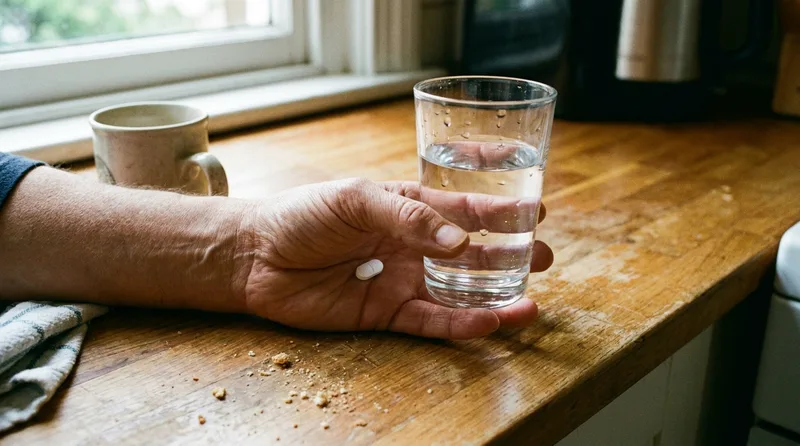
Soft foods genuinely make the very first day or two much more comfortable overall, especially while numbness fades and the tooth itself remains a little tender and sensitive to pressure.
Nearly 92% of adults have had at least one cavity in their lifetime, according to ADA general patient resources, and root canals are often the direct result of decay that reached the tooth's inner pulp.
Chew on the opposite side of your mouth whenever possible for the first several days, and avoid very hard, sticky, or crunchy foods directly on the treated tooth until your permanent crown or filling is complete.
Most patients can return to a fully normal diet once the permanent restoration is placed, typically within a couple of weeks of the root canal itself.
Staying well hydrated and eating enough overall, rather than under-eating out of caution, genuinely supports a smoother and more comfortable recovery in the meantime.
When Should You Call the Dentist?
Most root canal recovery is genuinely quite smooth and entirely predictable overall, but a few very specific signs genuinely warrant a prompt call to Willow Family Dentistry rather than waiting it out.
Pain that's getting worse rather than better after day 3, visible facial or gum swelling, a fever, or pain that isn't touched at all by over-the-counter medication are all reasons to call promptly.
Our guide on common root canal myths addresses other concerns patients often have going into treatment, which may also help now.
Calling early, when a symptom first feels off, is always the better choice compared to waiting and hoping it resolves on its own overnight.
Related: Deciding between saving a tooth or removing it? → Root Canal vs Extraction: How to Decide
Root canal recovery is genuinely predictable when you know the timeline: mild soreness on day one, a peak around days 2-3, and comfort returning by the end of the first week. Results may vary. Please consult with Dr. Jeong for personalized treatment recommendations.
If something about your own recovery doesn't match this timeline, call (972) 881-0715. Dr. Jeong would rather hear from you early.
Need a Root Canal? Know What to Expect.
Dr. Jeong provides clear recovery guidance and same-day access for any post-treatment questions.
Request an Appointment →Post-treatment concern? Call now.
Call (972) 881-0715 →Dr. Esther B. Jeong, DDS
DDS · Willow Family Dentistry
Wylie family dentist with 15+ years of experience providing gentle, judgment-free dental care.
Frequently Asked Questions
Was this article helpful?
You may also like


Have a dental question?
Schedule a consultation and get personalized answers from Dr. Jeong.
Call us
(972) 881-0715
Hours
Mon – Thu: 9am – 5pm
Fri: By Appointment
Location
1125 W FM 544, Wylie
Emergency? Same-day appointments available.