Root Canal Procedure Step by Step in Wylie TX

The phrase "root canal" makes a lot of people tense up, but the procedure itself is far more routine and comfortable than its reputation suggests. This guide walks through the root canal procedure step by step, so you know exactly what happens from the moment you sit down to the day you get your final crown.
What Is a Root Canal and Why Might You Need One?
A root canal removes infected or damaged tissue from inside a tooth, then cleans, fills, and seals the space to save the tooth. It is needed when the soft pulp inside a tooth becomes infected from deep decay, a crack, or trauma.
Inside every tooth is a chamber of soft tissue called the pulp, which holds the nerves and blood vessels. When bacteria reach it, the pulp becomes inflamed and then infected, and that is what produces the throbbing pain people associate with needing a root canal. Left alone, the infection can spread into the bone and form an abscess. A root canal stops that process by removing the infected pulp and sealing the tooth, which is why it is considered a tooth-saving procedure rather than a last resort.
It helps to picture the anatomy. Each tooth root contains one or more narrow channels, the canals, that run from the pulp chamber down to the tip of the root. Bacteria that get in through a cavity or crack travel down these channels, which is why simply drilling out decay is not enough once the pulp is involved. The infection lives inside the canal system, and the only way to resolve it while keeping the tooth is to clean out those channels completely and seal them so bacteria cannot return.
According to the American Dental Association, modern root canal treatment has a success rate above 95%, and most treated teeth last a lifetime with proper care. That high success rate is a big part of why dentists recommend saving a natural tooth this way rather than extracting it.
There is a strong practical case for saving the tooth, too. A natural tooth root preserves the jawbone around it and keeps neighboring teeth from shifting, benefits that a gap does not provide. Replacing an extracted tooth later with an implant or bridge is a longer, more involved process, so a root canal that keeps your own tooth in place is usually the simpler path in the long run.
How Do You Know If You Need a Root Canal?
Common signs include lingering sensitivity to hot or cold, pain when chewing, a pimple-like bump on the gum, swelling, or a tooth that has darkened. Only an exam and x-ray can confirm it, since some infected teeth cause no pain at all.
The most recognizable symptom is pain that lingers after the trigger is gone, sensitivity to cold that persists for 30 seconds or more, for example, rather than fading immediately. Other signs are subtler: a small bump on the gum that comes and goes, tenderness when you bite down, or gradual darkening of a single tooth. Because roughly 1 in 5 infected teeth produce little or no pain, x-rays are essential to catch problems that symptoms alone would miss.
This is one reason routine checkups matter so much. A dentist can spot the early signs of pulp trouble, deep decay approaching the nerve, a darkening tooth, a hairline crack, on an x-ray long before it becomes a painful emergency. Catching it early sometimes means a smaller filling can still save the nerve, avoiding the root canal altogether, and when a root canal is needed, treating it before an abscess forms makes the procedure simpler.
If you are dealing with active swelling, fever, or severe pain, that is closer to an emergency, and our guide to same-day infection treatment explains when to be seen immediately rather than waiting for a routine appointment.
What Are the Steps of a Root Canal Procedure?
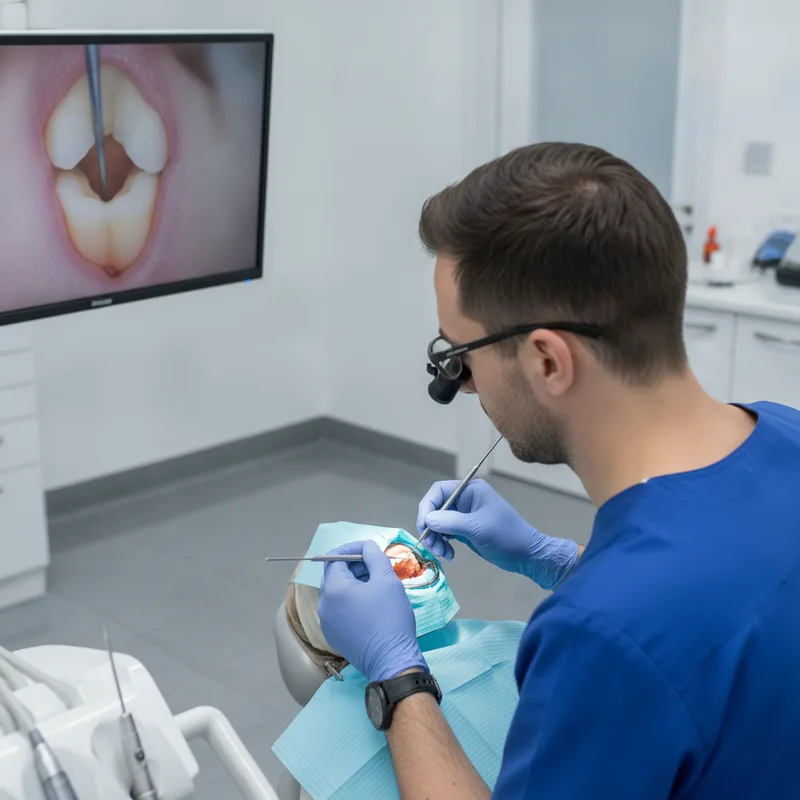
A root canal follows the same core sequence: numb the tooth, isolate it, open it, clean and shape the canals, fill and seal them, and place a temporary or final restoration. Most single-visit cases take 60 to 90 minutes depending on the tooth.
| Step | What Happens |
|---|---|
| 1. Anesthesia | The tooth and surrounding area are fully numbed so you feel pressure, not pain. |
| 2. Isolation | A thin rubber dam keeps the tooth clean and dry during treatment. |
| 3. Access | A small opening is made in the top of the tooth to reach the pulp. |
| 4. Cleaning & shaping | Infected pulp is removed and each canal is cleaned and shaped with fine files. |
| 5. Filling | The canals are filled with a biocompatible material and sealed. |
| 6. Restoration | A temporary or permanent filling closes the tooth; most back teeth then get a crown. |
The cleaning and shaping step is the heart of the procedure and the part that takes the most time, because each canal must be cleared individually. A front tooth has a single canal, while a molar can have three or four, which is why our article on how long a root canal takes breaks the timing down by tooth type.
Does a Root Canal Hurt?
For most patients, a root canal feels similar to getting a filling. The tooth is fully numbed, so the procedure itself is not painful; the pain people remember is usually the infection beforehand, which the treatment relieves.

This is the single biggest misconception about root canals. The throbbing agony associated with them is the toothache that sends you to the dentist, not the treatment, which actually ends that pain. With effective local anesthesia, the experience is comparable to having a deep filling placed. For context, surveys consistently find that patients who have had a root canal rate it as no more uncomfortable than other routine dental work, and many are surprised by how straightforward it was compared to what they feared. In fact, dental literature reports that over 90% of patients would choose root canal treatment again to save a tooth. Clinical references confirm that modern technique and anesthesia make the procedure routine and well tolerated. For patients who feel anxious regardless, sedation options can make the visit even more relaxed.
What Is Recovery Like After a Root Canal?
Most people return to normal activities the same day. Mild soreness for 2 to 3 days is normal and usually managed with over-the-counter pain relievers. The treated tooth should feel dramatically better than it did before.
In the first day or two, it is best to chew on the other side and stick to softer foods, especially if you still have a temporary filling in place. Tenderness when biting is common as the area settles and typically fades within a few days. Persistent or worsening pain after that window is worth a call, but it is the exception rather than the rule. To protect the investment, avoid chewing hard foods on the tooth until your permanent restoration is placed.
Good aftercare is mostly common sense. Keep brushing and flossing normally, including the treated tooth, and keep your follow-up appointment to have the permanent crown placed. That final restoration is not optional on a back tooth, and the window between the temporary filling and the crown is when the tooth is most vulnerable, so try not to let it stretch out longer than your dentist recommends.
Why Do You Need a Crown After a Root Canal?
A treated tooth becomes more brittle over time because it no longer has its internal blood supply, and back teeth absorb heavy chewing forces. A crown caps and protects the tooth, dramatically lowering the risk of a fracture.
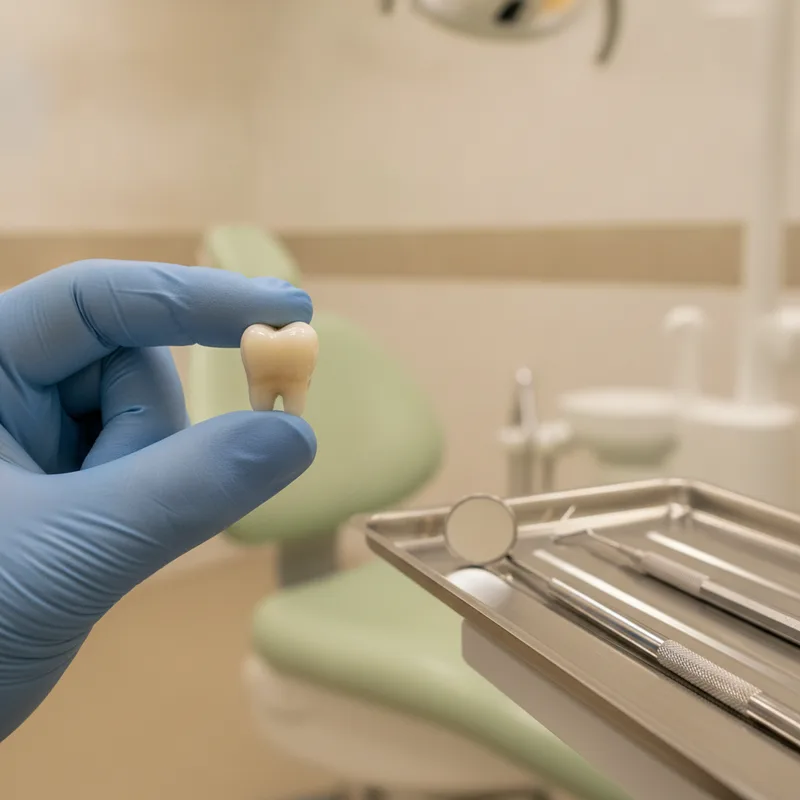
Skipping the crown on a molar to save money short term is one of the most common reasons a successful root canal eventually fails, the tooth cracks under load and may then need extraction. Front teeth with minimal structural loss sometimes need only a filling, but for premolars and molars, the crown is what makes the result last. You can read more about that restoration in our overview of root canal and crown treatment, which explains why dentists treat the two as a single plan.
If a tooth turns out to be too damaged to save, a root canal may not be the right call at all. In those cases it helps to compare your options, which our guide to root canal versus extraction lays out in detail.
Single Visit or Two Visits: Which Will You Need?
Many root canals are completed in a single visit, but some are intentionally split into two. The deciding factor is usually the level of infection: a heavily infected tooth may need medication placed inside it for a week or two before the canals are sealed.
In a single-visit case, the dentist cleans, shapes, fills, and seals the canals in one appointment, which is convenient and means only one round of numbing. When significant infection is present, a two-visit approach can give a better long-term result: at the first visit the canals are cleaned and an antibacterial medication is sealed inside, and at the second visit, once the infection has calmed, the canals are permanently filled. Neither approach is universally better; the right choice depends on what the dentist finds inside the tooth. About 1 in 4 cases benefit from the staged approach, particularly molars with longstanding infection.
Either way, the final step is the same protective crown on a back tooth, and the overall timeline from first appointment to finished crown usually spans two to three weeks while the lab fabricates the restoration.
How Do You Prevent Needing a Root Canal?
The best way to avoid a root canal is to prevent the deep decay and cracks that lead to one. Consistent brushing and flossing, routine checkups, and treating small cavities early all keep the pulp healthy and intact.
Most root canals trace back to a cavity that was allowed to grow until it reached the nerve, or to a crack that went untreated. Both are largely preventable. Twice-yearly cleanings and exams let the dentist catch decay while it is still small enough for a simple filling, well before it threatens the pulp. Wearing a custom night guard if you grind your teeth protects against the cracks that let bacteria in, and addressing a chipped or sensitive tooth promptly keeps a minor problem from becoming a major one.
Diet plays a role too. Frequent sugary or acidic foods feed the bacteria that cause decay, so cutting back on constant snacking and sipping gives your enamel time to recover between meals. None of this is complicated, but together these habits are what keep most people out of the root canal chair entirely. When decay is caught at a routine checkup, the fix is usually a quick filling rather than a root canal months later.
Results may vary. Please consult with Dr. Jeong for personalized treatment recommendations.
Questions about a tooth that is bothering you? Call (972) 881-0715 or contact our team.
Dr. Esther B. Jeong, DDS
DDS · Willow Family Dentistry
Wylie family dentist with 15+ years of experience providing gentle, judgment-free dental care.
Frequently Asked Questions
Was this article helpful?
You may also like



Have a dental question?
Schedule a consultation and get personalized answers from Dr. Jeong.
Call us
(972) 881-0715
Hours
Mon – Thu: 9am – 5pm
Fri: By Appointment
Location
1125 W FM 544, Wylie
Emergency? Same-day appointments available.