Mouth Taping for Sleep: Safe or Dangerous? Dentist's Take
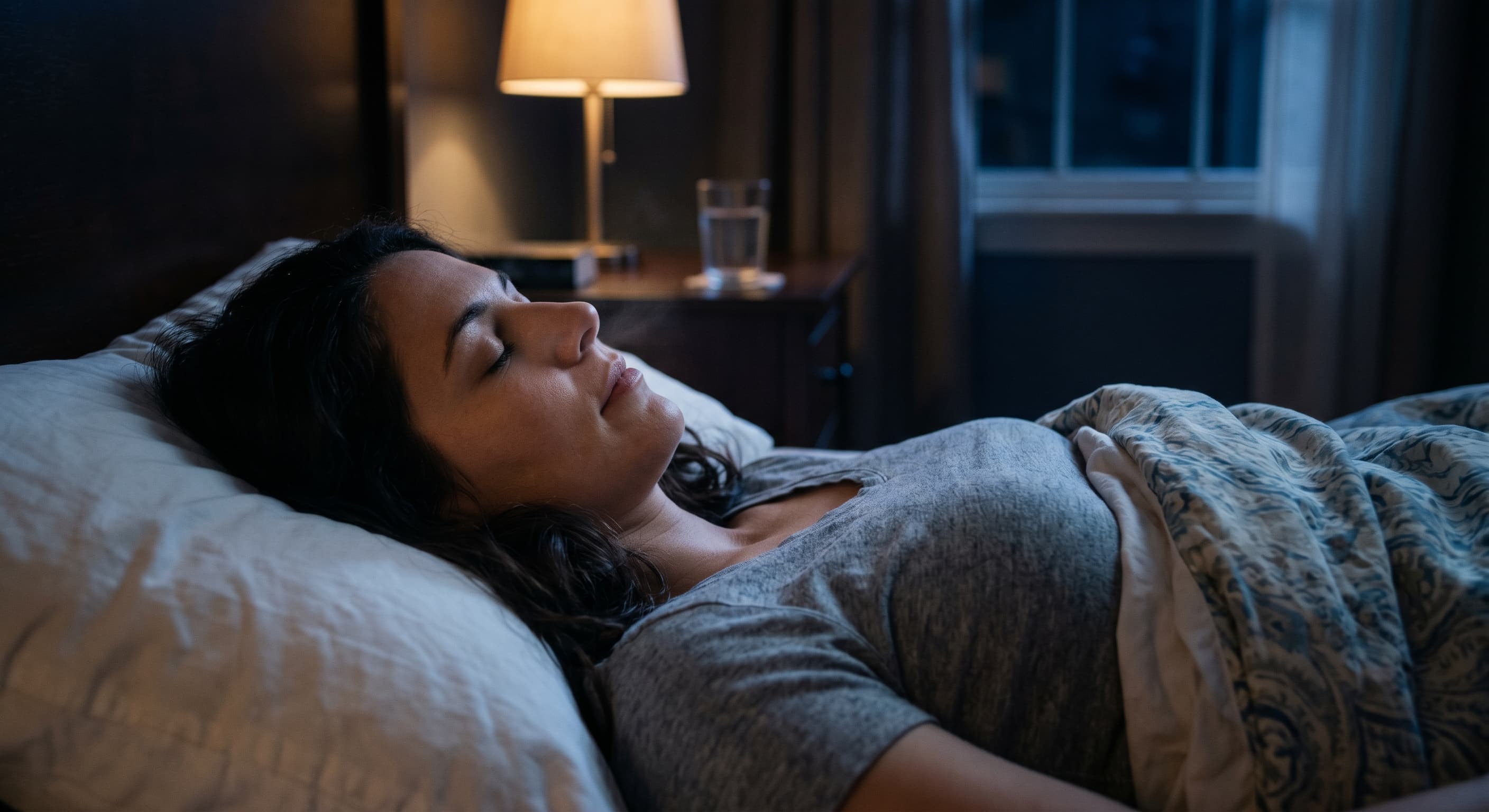
Mouth taping for sleep has exploded from a niche biohacking practice into a mainstream trend, driven by TikTok videos showing influencers placing tape over their lips before bed to force nasal breathing during sleep. The claimed benefits are impressive: better sleep quality, reduced snoring, improved jaw definition, less dry mouth, and fewer cavities. Some of these claims have a basis in physiology. Others are exaggerated. And for a specific subset of people, mouth taping is genuinely dangerous. The ADA hasn't issued a formal position on mouth taping, but the dental and sleep medicine communities have raised significant concerns about an unregulated practice being adopted by millions without screening for the conditions that make it risky.
Dr. Esther Jeong at Willow Family Dentistry in Wylie, TX sees the dental consequences of mouth breathing daily and understands why the promise of a simple fix is appealing. She also sees patients with undiagnosed sleep apnea who could be harmed by taping their mouth shut. This guide gives you the evidence-based assessment: what mouth taping can potentially do, what it can't, who it might help, and who should absolutely avoid it.
Why Is Mouth Taping Trending?
Mouth taping for sleep is trending because it's built on a legitimate foundation: nasal breathing is objectively better than mouth breathing. The nose filters, humidifies, and warms inhaled air, and produces nitric oxide, a vasodilator that improves oxygen absorption in the lungs.
The logic behind mouth taping: if mouth breathing is harmful and nasal breathing is beneficial, physically preventing mouth opening during sleep should force nasal breathing and capture those benefits. According to sleep research, this logic holds for a specific subset of people (habitual mouth breathers with no nasal obstruction and no sleep apnea). For everyone else, the logic breaks down in ways that range from ineffective to dangerous.
What Does the Research Actually Say?
Is mouth taping safe according to the research? The clinical evidence is thin. As of 2026, only a handful of small studies have evaluated mouth taping in controlled settings, and the results are mixed rather than conclusively supportive.
A 2022 study published in Healthcare found that mouth taping reduced snoring intensity in a small group of mild snorers with no diagnosed sleep apnea. A 2023 pilot study in the Journal of Clinical Sleep Medicine found that porous mouth tape reduced the apnea-hypopnea index (AHI, a measure of sleep apnea severity) in patients with mild obstructive sleep apnea, but the study was small (30 participants) and the authors explicitly cautioned against generalizing the results. According to the American Academy of Sleep Medicine, the current evidence is insufficient to recommend mouth taping as a treatment for any sleep disorder, and no clinical guidelines endorse it.
What's absent from the evidence: large randomized controlled trials, long-term safety data, studies in populations with moderate-to-severe sleep apnea, and head-to-head comparisons with established treatments (CPAP, oral appliances). The trend has outpaced the science by years, which is why medical and dental professionals are cautious about endorsing it despite the appealing logic.
What Are the Potential Benefits?
For the right candidate, a habitual mouth breather with no nasal obstruction and no sleep apnea, mouth taping may provide genuine benefits by enforcing nasal breathing during sleep. That candidacy screen is exactly why the safety question matters more than the benefits question.
Reduced dry mouth. If you mouth breathe during sleep and wake with a parched mouth every morning, forcing nasal breathing prevents the airflow that evaporates saliva from oral surfaces. Less dry mouth means better saliva protection against cavities, less morning bad breath, and more comfortable sleep. According to the ADA, any intervention that maintains saliva coverage during sleep provides measurable dental protection.
Reduced snoring in mild cases. Snoring from mouth-open sleeping posture (where the tongue falls back and the soft palate vibrates) may improve when the mouth stays closed and airflow routes through the nose. This applies to simple positional snoring, not snoring caused by sleep apnea, obesity, or structural obstruction.
Potential improvement in sleep quality. Nasal breathing activates the parasympathetic nervous system more effectively than mouth breathing, which may contribute to deeper, more restorative sleep. Some mouth-taping users report feeling more rested, though this is largely anecdotal and may involve placebo effects.
When Is Mouth Taping Dangerous?
Is mouth taping dangerous? For anyone with undiagnosed sleep apnea, yes, and this is the section that matters most, the one the TikTok videos skip entirely. An estimated 80% of sleep apnea cases go undiagnosed, so most people taping their mouth have no idea whether they're in the at-risk group. Taping over the mouth removes a compensatory airway that people with obstructive sleep apnea rely on to breathe when the nasal passage collapses during sleep.
Undiagnosed or Untreated Sleep Apnea
This is the primary danger. Obstructive sleep apnea (OSA) causes the airway to collapse during sleep, reducing or stopping airflow. When the airway collapses in a mouth breather with OSA, the open mouth serves as a backup airway that partially compensates for the obstruction. Taping the mouth shut removes that backup. The person with OSA who tapes their mouth is now struggling to breathe through a collapsing nasal/pharyngeal airway with no oral escape route.
According to the American Academy of Sleep Medicine, untreated moderate-to-severe OSA is associated with hypertension, cardiac arrhythmia, stroke, and sudden cardiac death. Adding mouth taping to this condition doesn't treat the apnea. It may worsen oxygen desaturation during apneic episodes by eliminating the compensatory mouth breathing that provides partial airflow.
The core problem: most people who mouth breathe during sleep don't know whether they have sleep apnea. The Mayo Clinic estimates that 80% of moderate-to-severe OSA cases are undiagnosed. A person who sees a mouth-taping video, recognizes themselves as a mouth breather, and tapes their mouth tonight may be taping over undiagnosed sleep apnea. This is the scenario that concerns Dr. Jeong and the sleep medicine community.
Do Not Tape Your Mouth If:
You snore loudly, have been told you stop breathing during sleep, wake gasping, feel excessively tired during the day, or have a BMI over 30. These are signs of sleep apnea that must be evaluated before any mouth taping is attempted. Call your doctor or dentist first.
Nasal Obstruction
If your mouth breathing is caused by nasal obstruction (allergies, deviated septum, enlarged turbinates, nasal polyps), taping your mouth forces you to breathe through an obstructed passage. The result: increased breathing effort, oxygen desaturation, sleep fragmentation, and waking in a panic feeling suffocated. Mouth taping without confirming you can breathe adequately through your nose is like sealing one exit in a building without checking that the other exit works.
Anxiety and Claustrophobia
Some people experience significant anxiety from the sensation of having their mouth taped. This anxiety disrupts sleep rather than improving it. Waking in the middle of the night feeling unable to open your mouth triggers panic responses that are counterproductive to the claimed sleep quality benefits.
Skin Irritation
Adhesive tape on the lip and perioral skin nightly causes irritation, contact dermatitis, and acne breakouts in some users. The skin around the mouth is thin and sensitive. Nightly adhesive application and removal damages the skin barrier over time.
What Should You Do Instead?
If you mouth breathe during sleep and want to address it safely, the approach should be diagnostic first and interventional second, starting with a sleep apnea screening before any tape goes anywhere near your mouth.
Step 1: Rule out sleep apnea. Before attempting any intervention to change your breathing during sleep, get screened for OSA. Dr. Jeong screens for sleep apnea signs at every visit (examining tonsil size, airway narrowing, BMI, neck circumference, and asking about snoring, daytime fatigue, and witnessed apneas). If signs are present, she refers for a home sleep study or polysomnography. According to the AASM, every patient considering mouth taping should have OSA ruled out first.
Related: Signs your snoring may be sleep apnea. → Could Your Snoring Be Sleep Apnea?
Step 2: Address nasal obstruction. If nasal congestion is the cause of your mouth breathing, treat the congestion: nasal saline irrigation, nasal corticosteroid sprays (Flonase, Nasacort), allergy management, or ENT evaluation for structural issues (deviated septum, polyps, enlarged turbinates). Restoring nasal airflow is the prerequisite for nasal breathing during sleep, whether or not you tape.
Step 3: Consider an oral appliance for sleep apnea. If sleep apnea is diagnosed, an oral appliance that advances the lower jaw opens the airway mechanically without requiring mouth taping. It treats the apnea directly while allowing natural breathing through both nose and mouth. Dr. Jeong fabricates custom mandibular advancement devices for mild-to-moderate OSA patients.
Step 4: If sleep apnea is ruled out and nasal breathing is adequate, then mouth taping may be a reasonable experiment for habitual mouth breathers. Use porous surgical tape (not duct tape, electrical tape, or any non-medical adhesive), apply a small vertical strip rather than covering the entire mouth (allowing emergency mouth breathing around the edges), and discontinue immediately if you wake feeling suffocated, experience skin irritation, or don't notice improvement within 2 weeks.
Mouth taping is not appropriate for children. Pediatric airways and jaw development differ enough from adults that any childhood mouth breathing should be evaluated by a dentist or ENT rather than managed with tape at home. For adults working through the four steps above, persistent dry mouth or a sore throat after trying tape is a sign to revisit the screening step, not to switch tape brands.

Step 5: Address the dental consequences regardless of method. Whether you tape, use an appliance, or simply hydrate better, Dr. Jeong manages the dry mouth damage through saliva substitutes, fluoride protocols, and more frequent cleanings for patients whose mouth breathing has already increased their cavity risk.
| Approach | Who It's For | Evidence Level | Risks |
|---|---|---|---|
| Mouth Taping | Habitual mouth breathers, OSA ruled out, clear nasal airway | Weak (small studies, no guidelines endorse) | Dangerous with undiagnosed OSA; skin irritation; anxiety |
| Nasal Strips/Dilators | Mild nasal congestion, positional mouth breathers | Moderate (established for snoring reduction) | Minimal (skin irritation only) |
| Oral Appliance (MAD) | Diagnosed mild-moderate OSA | Strong (AASM-endorsed treatment) | TMJ soreness, bite changes (monitored by dentist) |
| CPAP | Diagnosed moderate-severe OSA | Strong (gold standard) | Dry mouth, mask discomfort, compliance challenges |
| Myofunctional Therapy | Habitual mouth breathers, tongue posture correction | Moderate (growing evidence base) | None (behavioral training) |
Mouth Breathing During Sleep? Get Screened First.
Dr. Jeong screens for sleep apnea and nasal obstruction before recommending any breathing intervention. If mouth taping is appropriate for you, she'll tell you. If it's not, she'll explain why and recommend a safer alternative.
Request an Appointment →Mouth taping for sleep is a simple idea with a complicated safety profile. The underlying principle (nasal breathing is better than mouth breathing) is correct. The execution (tape your mouth shut without knowing why you mouth breathe) skips the diagnostic step that separates helpful from harmful. For habitual mouth breathers with no sleep apnea and clear nasal airways, mouth taping is likely low-risk and may reduce dry mouth and snoring. For anyone with undiagnosed sleep apnea, nasal obstruction, or anxiety, it ranges from ineffective to dangerous. The responsible approach: get screened, identify why you mouth breathe, treat the cause with evidence-based methods, and consider mouth taping only after the serious conditions have been ruled out. Dr. Jeong at Willow Family Dentistry provides that screening at every visit and gives you an honest answer about whether mouth taping makes sense for your specific situation.
Results may vary. Please consult with Dr. Jeong for personalized treatment recommendations.
Screen Before You Tape
Dr. Jeong screens for sleep apnea, nasal obstruction, and dental damage from mouth breathing. The right intervention depends on the cause, not the TikTok trend.
Request an Appointment →Questions about mouth breathing or sleep quality?
Call (972) 881-0715 →Dr. Esther B. Jeong, DDS
DDS · Willow Family Dentistry
Wylie family dentist with 15+ years of experience providing gentle, judgment-free dental care.
Frequently Asked Questions
Was this article helpful?
You may also like
Have a dental question?
Schedule a consultation and get personalized answers from Dr. Jeong.
Call us
(972) 881-0715
Hours
Mon – Thu: 9am – 5pm
Fri: By Appointment
Location
1125 W FM 544, Wylie
Emergency? Same-day appointments available.