Medications That Cause Dry Mouth: A List Worth Knowing
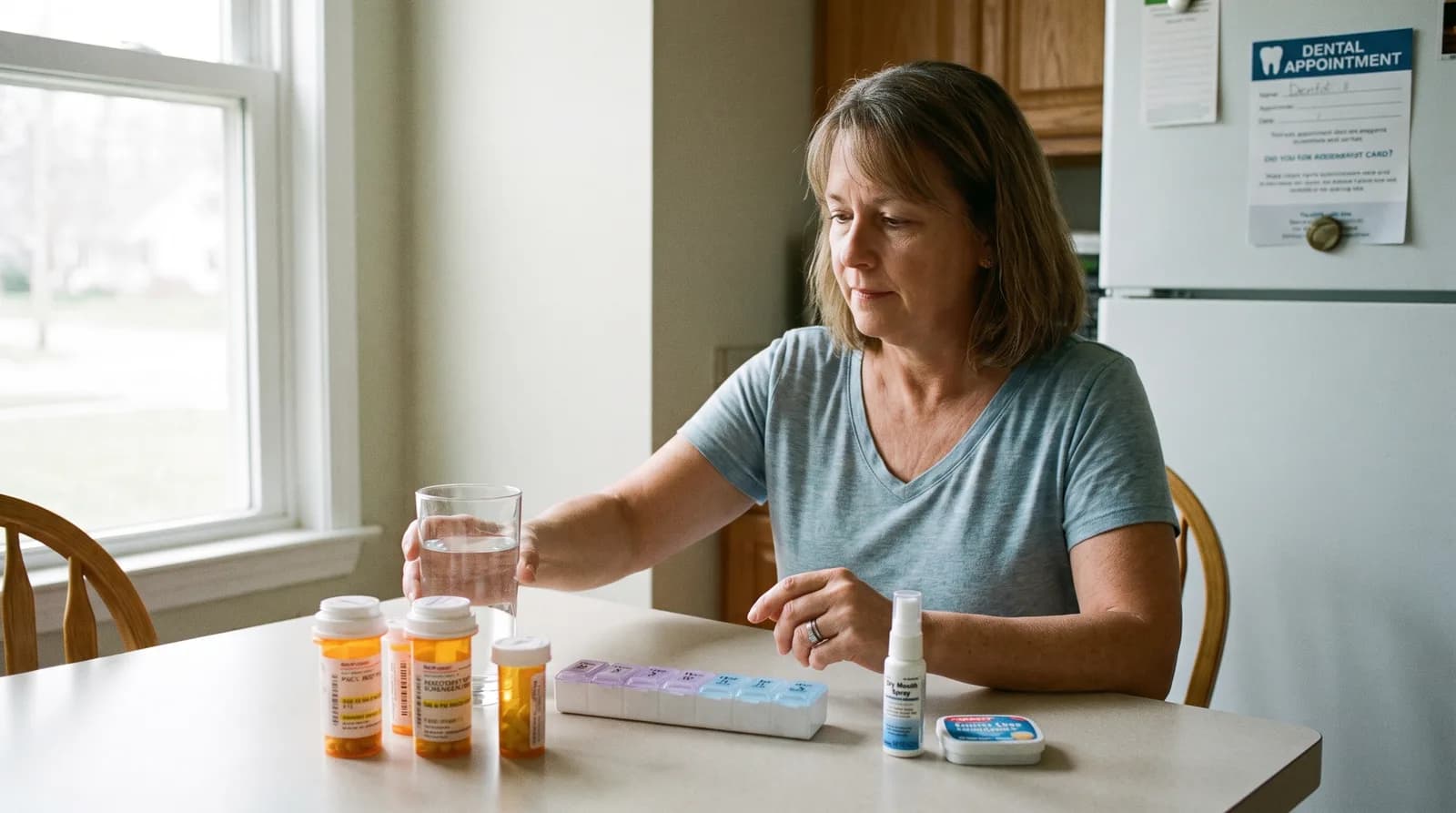
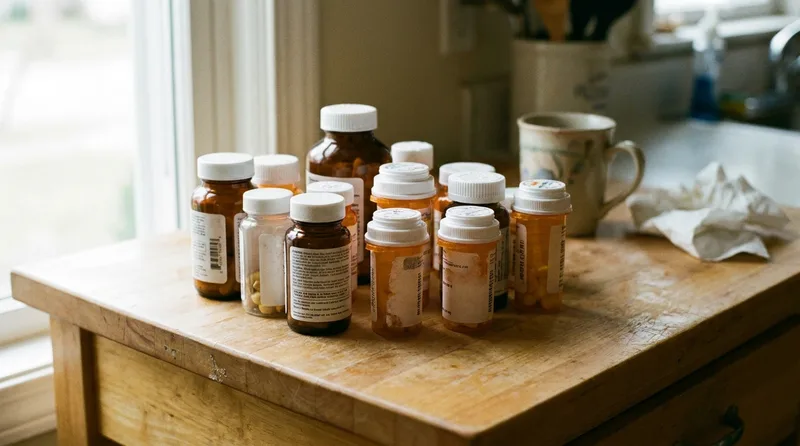
Medications that cause dry mouth genuinely number in the hundreds, which is why this side effect shows up so often across completely different prescriptions. You can learn more about preventive dentistry at Willow directly.
This guide covers the common drug classes linked to dry mouth, why it happens, and what genuinely helps without stopping any prescription on your own.
Medications That Cause Dry Mouth: Why So Many Drugs Are Linked to It
Medications that genuinely cause dry mouth genuinely number over 400 individual specific drugs across roughly 80 very different drug classes overall today, according to published research on the exact condition.
This genuinely happens because many medications affect the nerve signals or receptors responsible for triggering normal saliva production.
Understanding this connection genuinely helps you recognize dry mouth as a known side effect, rather than something unrelated to your prescriptions.
Many patients genuinely don't realize their medication is the culprit until they specifically look into it or ask their pharmacist directly.
None of this means you should stop a medication on your own. It genuinely just helps you have an informed conversation with your doctor.
Which Common Drug Classes Are Most Associated With Dry Mouth?
Several specific drug classes genuinely show up quite repeatedly in overall research on dry mouth specifically, with anticholinergics genuinely representing by far the single largest and most common category overall.
| Drug Class | Common Use |
|---|---|
| Antihistamines | Allergies |
| Antidepressants | Mood, anxiety |
| Antihypertensives | Blood pressure |
| Diuretics | Fluid retention |
Decongestants, antipsychotics, anti-anxiety medications, and certain ADHD medications genuinely round out the list of commonly implicated classes too.
Opioid pain medications and certain muscle relaxants also genuinely appear frequently in research on medication-related dry mouth.
The prevalence of dry mouth genuinely varies widely across studies, ranging from under 1% to nearly half of certain patient populations.
According to the ADA's own resources on xerostomia, medications genuinely represent the most frequent cause of reduced saliva flow.
Dealing With Dry Mouth?
Our team can discuss how to protect your teeth while managing this side effect.
Contact Our Office →Why Do Antihistamines and Antidepressants Affect Saliva?
Antihistamines and many different antidepressants genuinely share a very specific mechanism called anticholinergic activity overall, which genuinely blocks certain nerve signals that would normally genuinely trigger normal saliva production itself.
- First-generation antihistamines. Genuinely more likely to cause dry mouth
- Tricyclic antidepressants. Among the strongest anticholinergic effects
- SSRIs and SNRIs. Generally milder effects than tricyclics
- Combination use. Can compound the overall effect
Newer, second-generation antihistamines genuinely tend to cause less dry mouth than older, first-generation versions like diphenhydramine.
This distinction is genuinely worth knowing if seasonal allergies have you reaching for an over-the-counter antihistamine regularly.
Checking the label or asking your pharmacist which generation a specific product belongs to genuinely takes just a moment.
Does Taking Multiple Medications Increase Your Risk?
Taking several different medications at once genuinely increases your own personal risk of dry mouth quite a bit, since the combined anticholinergic effects can genuinely add up quite significantly over time.
Nearly 92% of adults have had at least one cavity in their lifetime, according to ADA general patient resources, and reduced saliva genuinely raises this risk further over time.
Older adults are often genuinely more affected, both because they tend to take more medications and because saliva production can naturally decrease with age.
This combination genuinely makes older patients a particularly important group to monitor closely for dry-mouth-related dental issues.
Should You Stop or Change a Medication Causing Dry Mouth?
You should genuinely never stop or genuinely adjust any prescribed medication entirely on your very own accord, even if you're fairly quite confident it's causing your own dry mouth symptoms.
Your prescribing doctor can discuss whether a dose adjustment or alternative medication genuinely makes sense for your specific situation.
Our guide on dry mouth at night covers broader causes and solutions beyond medications specifically.
Your doctor genuinely has the full picture of your health history needed to weigh any medication change appropriately.
Nearly 36% of Americans report some level of dental anxiety, according to ADA general patient resources, and understanding a side effect like this genuinely helps patients feel more in control of their own care.
What Can You Do About Medication-Related Dry Mouth?
Sipping water throughout the entire day, chewing sugar-free gum quite regularly, and genuinely using a specific saliva substitute can all genuinely help manage these symptoms quite well day to day.
Our team can also recommend specific products and monitor your teeth more closely given the increased cavity risk that comes with reduced saliva.
Bringing up your current medications at your next cleaning genuinely helps us tailor your preventive care appropriately.
Simple adjustments like more frequent fluoride treatments can genuinely help offset the added cavity risk that comes with reduced saliva.

This side effect is genuinely common, and managing it doesn't require changing your prescription without medical guidance. Results may vary. Please consult with Dr. Jeong for personalized treatment recommendations.
If dry mouth is affecting your comfort or oral health, our team is happy to help you manage it.
- Review your current medications with your doctor if symptoms are bothersome
- Sip water throughout the day and avoid caffeine or alcohol
- Use sugar-free gum or a saliva substitute as needed
- Mention your medications at your next dental cleaning
Managing Dry Mouth?
Dr. Jeong can help protect your teeth and recommend relief options.
Contact Our Office →Dr. Esther B. Jeong, DDS
DDS · Willow Family Dentistry
Wylie family dentist with 15+ years of experience providing gentle, judgment-free dental care.
Frequently Asked Questions
Was this article helpful?
You may also like


Have a dental question?
Schedule a consultation and get personalized answers from Dr. Jeong.
Call us
(972) 881-0715
Hours
Mon – Thu: 9am – 5pm
Fri: By Appointment
Location
1125 W FM 544, Wylie
Emergency? Same-day appointments available.