Loose Tooth as an Adult: Causes, What to Do, Can It Be Saved?
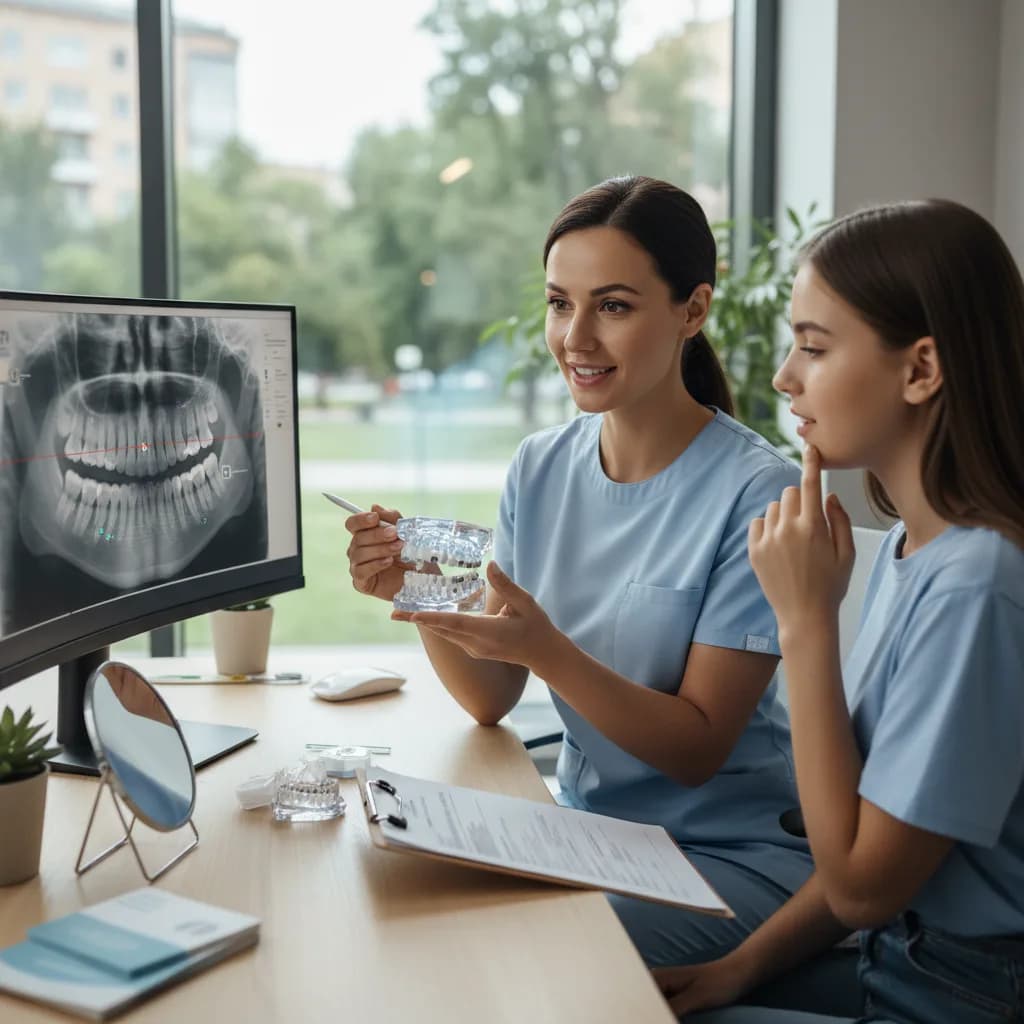
A loose tooth in an adult is alarming in a way that few other dental symptoms match. Teeth aren't supposed to move. When one does, the immediate fear is that you're about to lose it. That fear is reasonable, but the outcome depends entirely on the cause and how quickly you act. A loose tooth from advanced gum disease that's been progressing for years is a different situation from one loosened by a sports impact yesterday. Both are treatable. Both have better outcomes with early intervention. And both require professional evaluation to determine what's happening beneath the gumline where you can't see.
Dr. Esther Jeong at Willow Family Dentistry in Wylie, TX evaluates loose teeth using iCAT 3D imaging that shows bone support levels around the tooth root in three dimensions. A standard X-ray suggests how much bone remains. The iCAT shows exactly how much bone remains, on every surface, measured in millimeters. That precision determines whether the tooth can be saved, what treatment is required, and what the long-term prognosis looks like. If you have a loose adult tooth, call (972) 881-0715 for evaluation before the situation progresses.
What Causes a Loose Tooth in Adults?
Adult teeth are anchored by the periodontal ligament (a network of fibers connecting the root to the surrounding bone) and by the alveolar bone itself. A tooth becomes loose when either the ligament is damaged or the bone is lost. Five causes account for the vast majority of cases.
Gum Disease (Periodontitis) — The Most Common Cause
Periodontal disease is responsible for approximately 70% of adult tooth loss according to the American Academy of Periodontology. The progression is gradual: bacteria in plaque irritate the gums (gingivitis), then penetrate beneath the gumline and begin destroying the periodontal ligament and bone (periodontitis). As bone dissolves around the root, the tooth loses its anchorage and becomes progressively looser.
The insidious part: periodontitis is usually painless until the late stages. Patients don't feel their bone dissolving. They notice bleeding gums, bad breath, or receding gums but often dismiss these as minor. By the time the tooth feels loose, significant bone loss has already occurred. The ADA estimates that 47% of adults over 30 have some form of periodontal disease, and most don't know it.
The mobility pattern from gum disease is gradual and progressive: the tooth is slightly loose for weeks or months before it becomes noticeably loose. Multiple teeth may be affected simultaneously because periodontitis is typically a generalized condition rather than a single-tooth problem.
Related: Understanding the stages before teeth become loose. → Stages of Gum Disease: Gingivitis vs Periodontitis
Trauma (Impact Injury)
A blow to the mouth from a fall, sports collision, car accident, or any direct impact can loosen one or more teeth instantly. The force damages the periodontal ligament fibers that hold the tooth in its socket. The bone may be intact, but the ligament is torn or stretched. Trauma-loosened teeth have the best prognosis of any cause because the bone support is typically undamaged and the ligament can heal if the tooth is stabilized promptly. According to the Mayo Clinic, teeth loosened by trauma should be evaluated the same day to assess for root fracture and determine whether splinting is needed.
Teeth Grinding (Bruxism)
Chronic grinding and clenching apply lateral forces to teeth that exceed what the periodontal ligament is designed to handle. Over months or years, these forces cause the ligament to widen (the space between the tooth root and bone increases), making the tooth feel mobile. Bruxism-related looseness is often worst in the morning after a night of grinding and may improve somewhat during the day. According to clinical data, bruxism-related mobility is reversible when the grinding force is eliminated with a custom night guard, because the bone itself may still be intact.
Pregnancy Hormones
Elevated progesterone and estrogen during pregnancy increase blood flow to the gums and temporarily loosen the periodontal ligament. Pregnant patients sometimes notice that one or more teeth feel slightly mobile, particularly in the second and third trimesters. This pregnancy-related looseness is temporary and resolves after delivery in the vast majority of cases. The ADA reassures that hormonal tooth mobility during pregnancy does not indicate permanent damage and does not require treatment beyond continued good oral hygiene and regular dental visits.
However, pregnancy also increases susceptibility to gingivitis (pregnancy gingivitis), and if pre-existing gum disease is present, the hormonal changes can accelerate bone loss. A pregnant patient with a loose tooth should be evaluated to distinguish hormonal looseness (benign, temporary) from disease-accelerated bone loss (requires treatment).
Abscess or Infection
A dental abscess at the root tip destroys bone and pushes the tooth slightly out of its socket. The tooth may feel "high" when biting and mobile when pushed with a finger. Abscess-related looseness is accompanied by other symptoms: throbbing pain, swelling, possible fever, and a pimple-like bump on the gum. The looseness resolves once the infection is treated (root canal or extraction), though bone regeneration at the site takes months.
Related: Abscess is an emergency. → Tooth Abscess Symptoms: Warning Signs and Treatment
What Should You Do If You Notice a Loose Adult Tooth?
The immediate actions depend on how it happened, but the universal rule is: don't ignore it and don't try to wiggle it to "test" how loose it is. Every wiggle stretches the already-damaged ligament further.
If the tooth was loosened by trauma (hit, fall, impact): leave it alone. Don't push it back into position yourself. Eat on the other side of your mouth. Call Dr. Jeong at (972) 881-0715 for same-day evaluation. If the tooth is very loose or displaced (angled differently than before the impact), the evaluation is urgent: same-day splinting may be needed to stabilize it.
If the looseness developed gradually (no trauma): schedule an evaluation within the week. Don't chew hard foods on that tooth. Don't floss aggressively around it (gentle cleaning only). The cause is most likely gum disease, and the treatment timeline is days-to-weeks, not hours, but earlier evaluation means more treatment options.
For pregnancy-related looseness: mention it at your next dental visit. If the looseness is mild and no other symptoms are present, monitoring is appropriate. If it's accompanied by bleeding, swelling, or pain, schedule sooner.
Can a Loose Adult Tooth Be Saved?
The answer depends on two factors: how much bone support remains and whether the cause can be eliminated.
| Cause | Can It Be Saved? | Treatment | Prognosis |
|---|---|---|---|
| Trauma (intact bone) | Usually yes | Splinting for 2-4 weeks, possible root canal | Excellent if treated within 24-48 hours |
| Bruxism (bone intact) | Usually yes | Night guard, bite adjustment, possible splinting | Good if grinding is controlled |
| Mild-Moderate Periodontitis | Often yes | Scaling/root planing, bone grafting, maintenance | Good with ongoing periodontal maintenance |
| Advanced Periodontitis | Sometimes | Periodontal surgery, regeneration, splinting | Guarded; depends on remaining bone |
| Severe Bone Loss (>70%) | Rarely | Extraction + implant or bridge | Tooth lost; replacement restores function |
| Pregnancy Hormones | Yes (self-resolving) | Monitoring, oral hygiene, post-delivery reassessment | Excellent; resolves after delivery |
| Abscess | Often yes | Root canal + crown, antibiotics | Good once infection is eliminated |
The general rule: if more than 50% of the bone support around the root remains, the tooth has a reasonable chance of being saved with appropriate treatment. If more than 70% of the bone is gone, the prognosis becomes poor regardless of treatment. The iCAT 3D scan at Willow measures this precisely rather than estimating from a 2D X-ray.
How Does Dr. Jeong Treat a Loose Adult Tooth?
Treatment is cause-specific. Stabilizing the tooth is the first step. Addressing the underlying cause is what makes the stabilization permanent.
For trauma: Splinting. Dr. Jeong bonds a thin flexible wire or composite material to the loose tooth and the stable adjacent teeth, holding the loose tooth in position while the periodontal ligament heals (2-4 weeks). She takes X-rays and an iCAT scan to rule out root fracture, which changes the treatment plan entirely. A root-fractured tooth may need extraction rather than splinting. According to the International Association of Dental Traumatology, splinting within 24-48 hours of trauma produces the highest reimplantation and stabilization success rates.
For gum disease: Scaling and root planing removes the bacterial deposits beneath the gumline that are driving bone loss. Once the disease is controlled, the bone destruction stops (though lost bone doesn't regrow without grafting). In some cases, bone grafting and guided tissue regeneration can restore bone around a tooth with moderate loss. Maintenance cleanings every 3-4 months prevent recurrence. The tooth may tighten noticeably as the ligament heals in a disease-free environment.
For grinding: A custom night guard eliminates the excessive force. Dr. Jeong may also adjust the bite (occlusal equilibration) to redistribute forces away from the loose tooth. With the traumatic force removed, the ligament heals and the tooth typically firms up within weeks to months.
For abscess: Root canal therapy eliminates the infection, antibiotics control the spreading component, and a crown protects the treated tooth. The bone around the root tip regenerates slowly over months once the infection is gone.
When the tooth can't be saved: Extraction followed by replacement with a dental implant or bridge. Dr. Jeong is straightforward about prognosis: if a tooth has lost too much bone to function long-term, attempting to save it delays the inevitable and can compromise the bone available for future implant placement. Extracting a hopeless tooth and placing a bone graft preserves the site for an implant that will last decades.
Noticed a Loose Tooth? Don't Wait to Find Out Why.
Dr. Jeong uses iCAT 3D imaging to measure bone support precisely and determine whether the tooth can be saved. The sooner the cause is identified, the more options you have.
Request an Appointment →How to Prevent Loose Teeth in Adulthood
Prevention targets the top two causes: gum disease and grinding.
Consistent oral hygiene prevents gum disease from progressing to the bone-loss stage. Brush twice daily with a soft-bristled brush, floss daily (reaching below the gumline where brushing can't), and keep your regular cleaning appointments. Patients with a history of periodontal disease need cleanings every 3-4 months rather than the standard 6 months. According to the AAP, periodontal maintenance at 3-month intervals reduces bone loss progression by over 50% compared to 6-month intervals in patients with established disease.
A custom night guard prevents grinding damage. If you wake with jaw soreness, headaches at the temples, or your partner hears you grinding, a night guard protects the periodontal ligament from the excessive forces that loosen teeth over time.
Wearing a mouthguard during sports prevents trauma-related looseness. Custom mouthguards from Dr. Jeong absorb impact forces and prevent the direct-to-tooth contact that loosens or avulses teeth during collisions.
Managing diabetes, quitting smoking, and maintaining good nutrition all support periodontal health. Diabetes impairs immune response to gum bacteria. Smoking restricts blood flow that maintains bone and ligament. Nutritional deficiencies (particularly vitamin C and D) impair tissue healing. According to medical research, smokers lose teeth to gum disease at twice the rate of non-smokers.
A loose tooth in an adult is a signal that something is actively compromising the support structure of your teeth. In most cases, it's treatable. In many cases, the tooth can be saved. But the window for saving it narrows with every week of delay because bone loss from gum disease is progressive, ligament damage from untreated trauma becomes permanent, and the grinding forces that loosen teeth don't stop on their own. If you feel a tooth move when it shouldn't, call (972) 881-0715 and let Dr. Jeong determine what's happening with 3D imaging before the situation progresses.
A Loose Tooth Needs Answers, Not Worry.
Dr. Jeong uses iCAT 3D imaging to measure bone support and determine whether the tooth can be saved. Early evaluation means more treatment options.
Request an Appointment →Loose tooth from an injury? Call for same-day evaluation.
Call (972) 881-0715 →Dr. Esther B. Jeong, DDS
DDS · Willow Family Dentistry
Wylie family dentist with 15+ years of experience providing gentle, judgment-free dental care.
Frequently Asked Questions
Was this article helpful?
You may also like


Have a dental question?
Schedule a consultation and get personalized answers from Dr. Jeong.
Call us
(972) 881-0715
Hours
Mon – Thu: 9am – 5pm
Fri: By Appointment
Location
1125 W FM 544, Wylie
Emergency? Same-day appointments available.