Gap Between Front Teeth: Causes and How to Close It
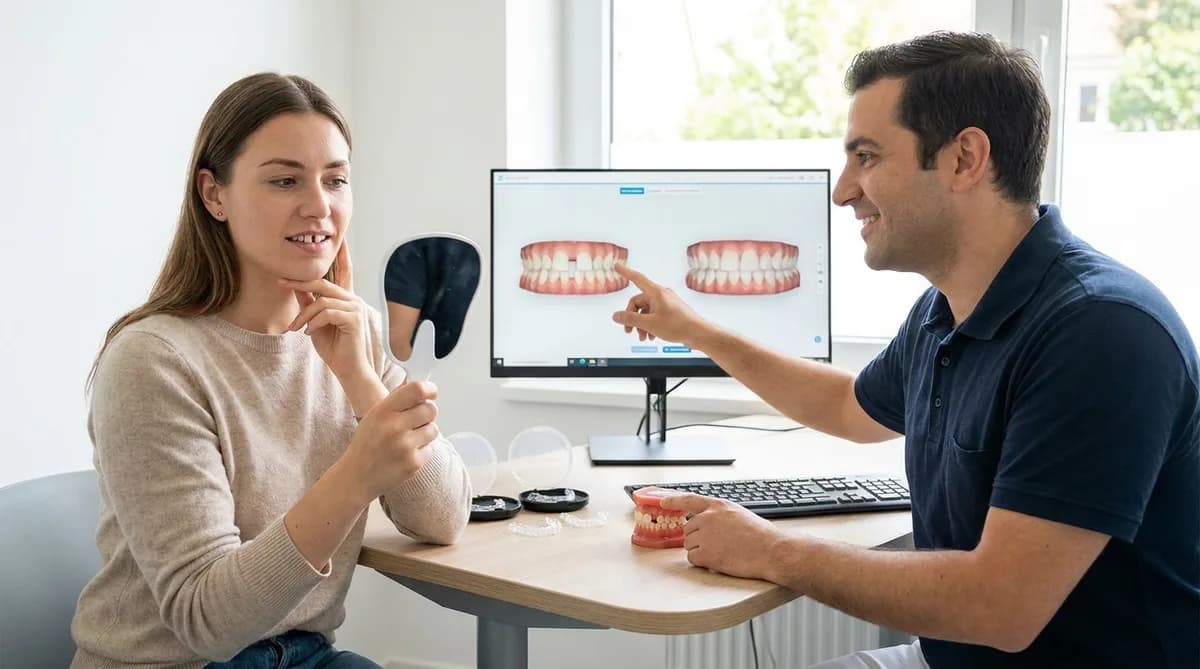
That little space between your two front teeth has a name: a diastema. Some people love it and consider it part of their character. Others would happily close it for good. If you are in the second group, the encouraging news is that a gap between front teeth is one of the most treatable cosmetic concerns in dentistry, and patients in Wylie, TX have several good options depending on what is causing the gap in the first place.
This guide explains why front-tooth gaps form, walks through the main ways to close one, from bonding to veneers to clear aligners, and helps you understand which path tends to suit which situation. We will not quote prices, because the right choice depends on your specific teeth and goals. The point is to help you ask better questions at a consultation.
What Causes a Gap Between Front Teeth?
A gap between front teeth, known as a diastema, is caused by a mismatch between tooth size and jaw space, an oversized piece of gum tissue, certain habits, or gum disease. It is extremely common, especially in children, and many cases are simply a matter of genetics. Understanding the cause matters because it shapes which treatment will actually work.
The most frequent reasons a gap forms include:
- Tooth-to-jaw size mismatch: If your teeth are small relative to your jawbone, extra space opens up, often between the front teeth.
- An enlarged labial frenum: The small band of tissue connecting your upper lip to your gums can be oversized and push the front teeth apart.
- Childhood habits: Prolonged thumb sucking or tongue thrusting can push teeth forward and create spacing over time.
- Missing or undersized teeth: When neighboring teeth are absent or smaller than normal, the front teeth can drift apart.
- Gum disease: Advanced gum disease can damage the bone that holds teeth in place, allowing them to shift and gap.
In children, a gap is often normal and may close on its own as the permanent teeth come in. Research published through the National Library of Medicine found that a midline gap affects roughly 98% of six-year-olds, 49% of eleven-year-olds, and only 7% of those aged twelve to eighteen, which shows how often these gaps close naturally with age. In adults, by contrast, a diastema usually stays put unless it is treated. According to Healthline, gaps caused by gum disease in particular need the underlying condition addressed first, since closing the space without treating the cause would not last.

Is a Gap Between Front Teeth a Problem?
A gap between front teeth is usually a cosmetic matter rather than a health problem, and many people keep theirs happily for life. Closing one is almost always an elective choice based on how you feel about your smile. That said, in some cases a gap points to an underlying issue worth checking.
When a diastema is simply down to genetics or tooth size, there is nothing medically wrong, and treatment is purely about appearance and confidence. The decision is entirely yours, and there is no pressure to change a smile you are comfortable with. Plenty of people consider their gap a signature feature.
The exception is when a gap is a sign of something else, such as active gum disease or a habit affecting the bite. In those situations, the gap is a symptom, and addressing the root cause protects your long-term oral health. This is why a proper assessment comes before any cosmetic plan, so you know whether you are treating a look or a condition.
It is also worth knowing that a gap can change over time. A space that was stable for years can widen if gum disease sets in or if teeth shift with age, and a new or growing gap is a reason to get checked rather than to assume it is purely cosmetic. Catching that early means simpler treatment and better protection for the bone and gums that hold your teeth in place.
How Can You Close a Gap Between Front Teeth?
You can close a gap between front teeth with dental bonding, veneers, or orthodontic treatment such as clear aligners, depending on the size of the gap and its cause. Each option works differently and suits different situations. The right one is matched to your teeth, not chosen from a menu, which is why a consultation comes first.
| Option | Best for | What it involves |
|---|---|---|
| Dental bonding | Small to moderate gaps | Tooth-colored resin added to the teeth to fill the space, often in one visit. |
| Veneers | Gaps plus other cosmetic goals | Thin shells bonded to the front teeth to reshape and close the gap. |
| Clear aligners or braces | Larger gaps or bite issues | Gradually moving the teeth together to close the space at its source. |
| Frenectomy (plus another option) | Gaps from an enlarged frenum | A minor procedure to release the tissue, then closing the gap. |
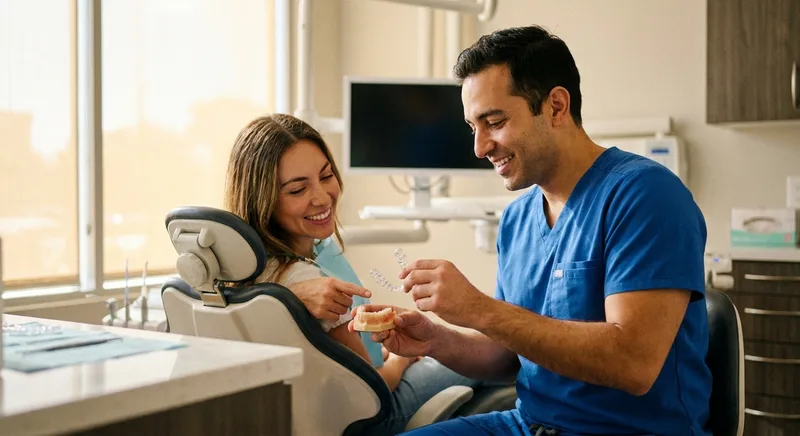
The best fit depends on whether you want the fastest cosmetic fix or a solution that addresses the underlying position of the teeth. The next sections compare the most common choices so you can see how they differ in practice.
Bonding vs Veneers: Which Closes a Gap Better?
Dental bonding is usually the fastest and least invasive way to close a small gap, while veneers offer a longer-lasting, more transformative result for those who want to change more than just the space. Both add material to the teeth to fill the gap, but they differ in durability, cost drivers, and how much of the tooth is involved.
Bonding uses a tooth-colored resin applied directly to the teeth and shaped to close the gap, often in a single visit with little or no removal of natural tooth. It is a great option for smaller gaps and for people who want a quick, conservative change. Veneers, by contrast, are thin custom shells that cover the front of the teeth, closing the gap while also improving shape and color, and they tend to last longer.
Choosing between them comes down to your goals, the size of the gap, and how the rest of your smile looks. Our detailed guide on dental bonding versus veneers walks through that decision in depth. If you are addressing the gap as part of a broader change, our overview of a smile makeover shows how these pieces fit together.
There is one trade-off worth understanding upfront. Because bonding adds material to the sides of the teeth to close a gap, very large gaps can leave the teeth looking wider than is natural if bonding alone is used. In those cases, a dentist may suggest moving the teeth closer first with aligners, then refining the result. This is exactly the kind of judgment a good consultation provides, so you do not end up with a quick fix that looks off.
Can Clear Aligners or Braces Close a Gap?
Yes, clear aligners and braces can close a gap by physically moving the teeth together, which addresses the cause rather than covering it. This is often the best route for larger gaps, for multiple spaces, or when the gap comes with a bite issue that should be corrected anyway. It takes longer than bonding or veneers, but the result keeps your natural teeth untouched.
Clear aligners gradually shift the teeth into a closed, even position over a series of trays, and they are popular with adults for being discreet. Braces work on the same principle and may be recommended for more complex spacing. Because orthodontics moves the actual teeth, it is the option that treats the gap at its source instead of masking it. According to the American Dental Association's MouthHealthy resource, orthodontic treatment is a well-established way to correct spacing and alignment problems.
One important note: after any orthodontic treatment, a retainer is essential, because teeth naturally tend to drift back. If you are weighing aligners against braces, our comparison of Invisalign versus braces covers the trade-offs, and our guide to treatment timelines helps set expectations on how long results take.
How Do You Decide Which Option Is Right for You?
The right way to decide is a consultation, where a dentist identifies the cause of your gap and matches it to the treatment that fits your goals, timeline, and budget. There is no single best answer, because the ideal choice for a tiny genetic gap differs completely from the choice for a large gap tied to an enlarged frenum or a bite problem.
A thorough assessment looks at the size of the gap, the health of your gums, the position of your teeth, and what you want your smile to look like. From there, your dentist can explain whether bonding, veneers, aligners, or a combination makes the most sense, and what each involves in time and upkeep. This is also the moment to share your priorities, whether that is speed, longevity, or keeping the change as conservative as possible.
A simple way to think it through before your visit:
- Decide how much you want to change: just the space, or the shape and color too.
- Consider your timeline: bonding is quickest, aligners take the longest.
- Think about longevity: veneers and orthodontics tend to outlast bonding.
- Factor in how conservative you want to be with your natural teeth.
- Bring these answers to a consultation so the plan fits your real priorities.
Willow Family Dentistry approaches these conversations honestly and without pressure, never recommending treatment you do not need. Because closing a gap is almost always elective, the decision stays yours. If you are choosing a provider for cosmetic work, our guide on how to choose a cosmetic dentist is a useful next step.
Want to know your options for closing a gap?
Book a cosmetic consultation at Willow Family Dentistry in Wylie, TX. Dr. Jeong will identify the cause of your gap and walk you through bonding, veneers, and aligner options, with no pressure.
Explore cosmetic dentistryFurther Reading
Closing a gap is one part of cosmetic dentistry. The articles below go deeper on the specific options mentioned here, from comparing bonding and veneers to planning a complete smile transformation.
- Dental Bonding vs Veneers: Which Is Right for You?
- Invisalign vs Braces in 2026: Cost and Timeline
- Smile Makeover: Process and Results in Wylie, TX
Results may vary. Please consult with Dr. Jeong for personalized treatment recommendations.
Dr. Esther B. Jeong, DDS
DDS · Willow Family Dentistry
Wylie family dentist with 15+ years of experience providing gentle, judgment-free dental care.
Frequently Asked Questions
Was this article helpful?
You may also like



Have a dental question?
Schedule a consultation and get personalized answers from Dr. Jeong.
Call us
(972) 881-0715
Hours
Mon – Thu: 9am – 5pm
Fri: By Appointment
Location
1125 W FM 544, Wylie
Emergency? Same-day appointments available.