Is Fluoride for Kids Safe? Amounts by Age (Dentist Mom)
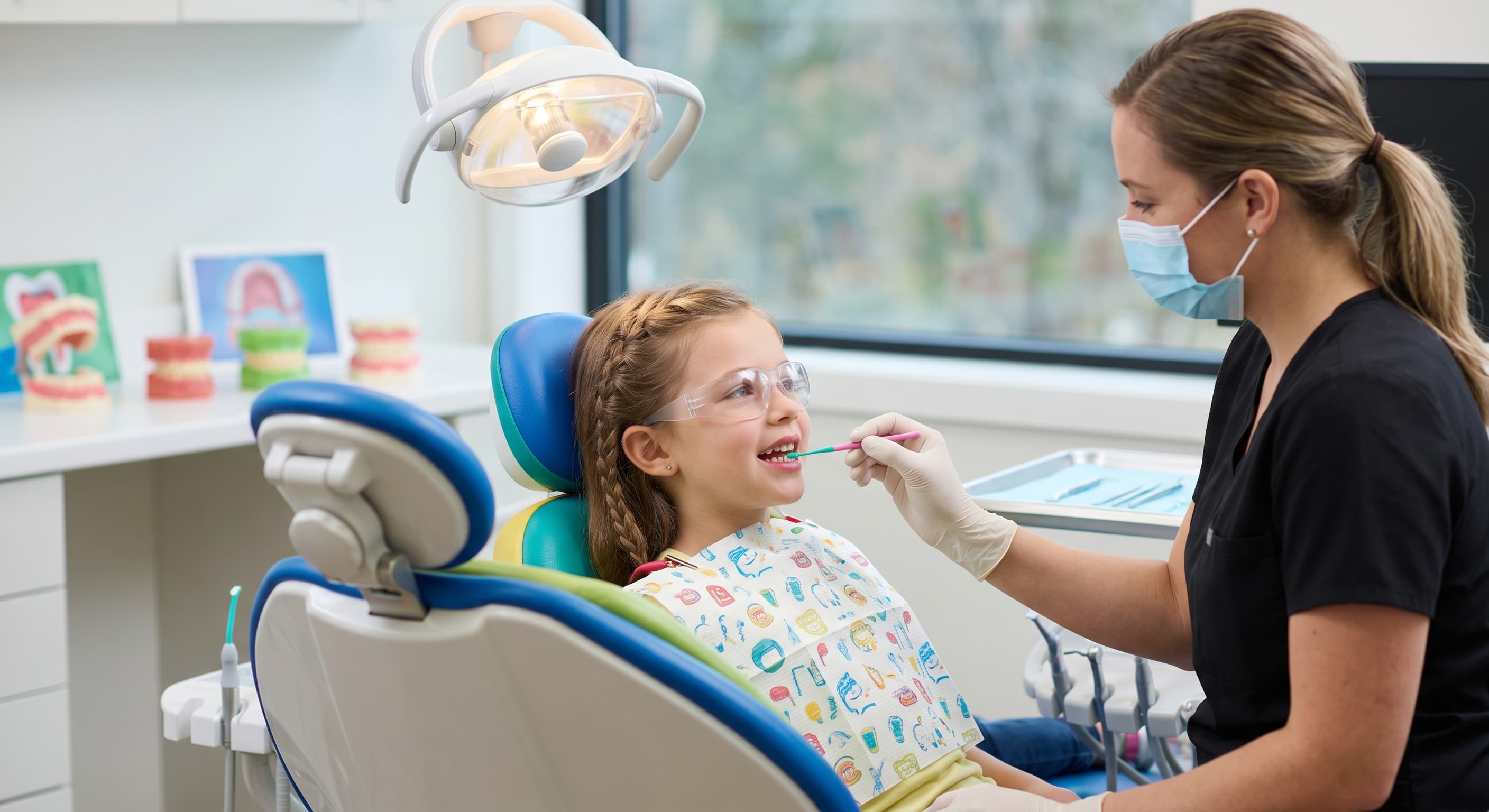
Is fluoride for kids safe? The internet has turned this into one of the most anxiety-producing questions in parenting. Search it and you'll find blogs calling fluoride a neurotoxin, mommy forums debating whether to use fluoride-free toothpaste, and social media posts linking water fluoridation to everything from thyroid disease to lowered IQ. I understand the fear. When you're responsible for a small human's developing brain and body, "potentially harmful chemical in your child's toothpaste" hits different than any other health headline.
I'm Dr. Esther Jeong, a dentist with 15+ years of clinical experience and the mom of five kids who all use fluoride toothpaste and drink fluoridated water. I give my children fluoride because the evidence, reviewed by every major health organization on the planet, is overwhelming: fluoride at recommended doses prevents cavities, strengthens developing enamel, and poses no credible health risk. The concerns circulating online are based on misunderstood studies, doses irrelevant to dental use, and fear that outpaces the science. This guide gives you the actual data, the safe amounts by age, and the honest context that the scary headlines leave out.
What Does Fluoride Actually Do for Children's Teeth?
Fluoride protects teeth through two mechanisms, and understanding them explains why both toothpaste and water fluoridation matter.
Topical fluoride (from toothpaste, rinses, and professional treatments) works by incorporating fluoride ions into the enamel surface when it contacts the teeth. These ions replace hydroxyl groups in the hydroxyapatite crystal structure, creating fluorapatite, which is 10 times more resistant to acid dissolution than untreated enamel. Every time your child eats, oral bacteria produce acids that dissolve enamel. Fluorapatite resists that acid attack better than natural enamel does. According to the ADA, topical fluoride reduces childhood cavity rates by 25-30% when used as directed.
Systemic fluoride (from fluoridated water, swallowed during drinking and cooking) incorporates into teeth that are still developing inside the jaw before they erupt. This means the permanent teeth your 3-year-old won't see for another 3-4 years are being strengthened right now by the fluoridated water they drink today. The CDC named community water fluoridation one of the ten greatest public health achievements of the 20th century. It reduces tooth decay by 25% across all socioeconomic groups.
Both mechanisms work together. Topical fluoride protects the teeth that are already in the mouth. Systemic fluoride strengthens the teeth that haven't erupted yet. Skipping one reduces your child's overall protection level.
How Much Fluoride Toothpaste Is Safe for Kids by Age?
This is where the specifics matter. The American Academy of Pediatric Dentistry and the ADA agree on the following amounts, and these are the exact amounts I use with my own children.
| Age | Toothpaste Amount | Visual Reference | Fluoride Concentration |
|---|---|---|---|
| First tooth to age 3 | Smear / grain of rice | Thin film barely visible on the bristles | 1000 ppm (standard fluoride toothpaste) |
| Ages 3 to 6 | Pea-sized amount | A small pea sitting on the bristles | 1000 ppm (standard fluoride toothpaste) |
| Ages 6 and older | Full strip (adult amount) | A strip covering the brush head length | 1000-1500 ppm |
The smear amount for children under 3 is key. It provides the topical benefit (fluoride on the tooth surface) while containing so little fluoride that even if the child swallows all of it (which toddlers do because they can't spit reliably), the ingested amount is far below any threshold for concern. A grain-of-rice smear of 1000ppm toothpaste contains approximately 0.1mg of fluoride. The toxic concern threshold for a 10kg (22lb) toddler is 50mg. That's 500 grain-of-rice smears swallowed at once. The safety margin is enormous.
The pea-size amount for ages 3-6 increases the topical benefit as more teeth are present while staying within safe ingestion limits for children who swallow some toothpaste. By age 6, most children can spit reliably and the swallowing concern diminishes.
With my own kids, the under-3 phase was the messiest. Toddlers eat toothpaste. They lick it off the brush before it reaches their teeth. They ask for more because it tastes like strawberries. I used the smear amount, expected them to swallow it, and didn't stress about it because the math doesn't support concern at that dose.
Is Water Fluoridation Safe for Children?
Community water fluoridation in the US maintains fluoride at 0.7 parts per million (ppm), as recommended by the US Department of Health and Human Services. At 0.7ppm, a child would need to drink roughly 70 liters of water in a single day to reach the level where fluorosis concerns begin, and over 700 liters to approach toxicity. Neither is physically possible.
The studies that alarmed parents about fluoride and neurodevelopment (particularly the 2019 Canadian study and the 2006 National Research Council report) examined populations exposed to fluoride levels of 2-10ppm, which is 3-14 times higher than US water fluoridation levels. Applying their findings to 0.7ppm water is like concluding that vitamin D is dangerous because overdosing on it causes toxicity. Dose matters. Every substance has a safe range and a harmful range, and US water fluoridation operates well within the safe range.
The World Health Organization, the ADA, the American Academy of Pediatrics, the CDC, and every major medical organization in the developed world endorses water fluoridation at recommended levels. This is not a contested scientific question. The consensus is as strong as the consensus on vaccines and seatbelts.
Wylie's water supply is fluoridated by the North Texas Municipal Water District at the recommended 0.7ppm. If your home uses well water or a reverse osmosis system (which removes fluoride), your child may benefit from fluoride supplements. Dr. Jeong can evaluate your child's fluoride exposure and recommend supplementation if needed.
Related: When should your child's dental care start? → When Should a Child First See a Dentist?
What About Fluorosis? Should Parents Worry?
Dental fluorosis is the concern parents cite most often when questioning fluoride safety. It's a cosmetic change in enamel appearance caused by excess fluoride intake during the years permanent teeth are forming (roughly ages 0-8). In its mild form (which accounts for the overwhelming majority of cases), it appears as faint white specks or streaks on the teeth that are visible only under close examination. Moderate-to-severe fluorosis, which causes visible brown staining and surface irregularities, is extremely rare in communities with properly fluoridated water.
According to the CDC, approximately 25% of children in the US show some degree of dental fluorosis, but over 90% of those cases are mild (white specks only) and considered a cosmetic variation, not a disease. Mild fluorosis is actually associated with increased enamel resistance to cavities. The teeth are slightly different in appearance but functionally stronger.
Fluorosis is caused by total fluoride intake from all sources combined (water, toothpaste, supplements, and any other sources) exceeding the optimal range during tooth development. This is why the toothpaste amounts matter: using a pea-sized amount instead of a full strip for a 3-year-old, and supervising to encourage spitting, keeps total intake in the protective range without crossing into the fluorosis zone.
Perspective from a mom: my kids have access to fluoridated water and use fluoride toothpaste twice daily. Two of them have faint white specks on a couple of teeth (mild fluorosis). Those same kids have zero cavities at ages where their peers have 2-3 each. I'll take the barely-visible white spots over the fillings every time.
What About "Fluoride-Free" and "Natural" Toothpastes?
Fluoride-free children's toothpaste is a marketing category, not a clinical recommendation. No major dental or medical organization recommends fluoride-free toothpaste for children at any age. The ADA specifically recommends fluoride toothpaste from the appearance of the first tooth, and the AAPD concurs.
Fluoride-free toothpastes clean mechanically (the brush and the abrasives remove plaque) but provide zero chemical protection against acid attacks. A child using fluoride-free toothpaste is brushing their teeth without the ingredient that makes toothpaste medicinally effective. It's like applying a bandage with no antibiotic: the mechanical part works, but the therapeutic part is missing.
The "natural" label on children's toothpaste has no regulatory meaning. Fluoride occurs naturally in water, soil, and food. The fluoride in toothpaste is the same ion whether it's synthesized or sourced from mineral deposits. "Natural" toothpastes that contain fluoride are fine. "Natural" toothpastes that omit fluoride are selling a cavity risk increase as a health benefit.
I say this as a mom who buys organic produce and filters my household water: the evidence for fluoride safety at recommended doses is not in the same category as debates about pesticides or food additives. The fluoride evidence base includes 75+ years of population-level data, thousands of studies, and the endorsement of every credible health authority globally. Using fluoride-free toothpaste for a child who is cavity-prone is a choice that prioritizes unfounded fear over documented protection.
What Professional Fluoride Treatments Does Dr. Jeong Recommend?
In addition to home fluoride exposure (toothpaste and water), professional fluoride treatments at Willow Family Dentistry provide a concentrated boost 2-4 times per year during routine cleanings.
Fluoride varnish is the standard for children under 6. A thin layer of concentrated fluoride in a sticky base is painted directly onto the teeth and sets within seconds. The child can eat and drink 30 minutes after application. The varnish releases fluoride into the enamel over 4-6 hours, providing a sustained remineralization boost that daily toothpaste alone can't match. The AAPD recommends fluoride varnish every 3-6 months for children at moderate-to-high cavity risk.
For children 6 and older who can spit reliably, fluoride trays (gel or foam held in a mouth tray for 1-4 minutes) provide higher concentration treatment. High-risk children (those with active cavities, enamel defects, or braces) benefit most from professional fluoride at every cleaning visit.
Dr. Jeong assesses each child's cavity risk at every visit and recommends fluoride frequency accordingly. Low-risk children (no cavities, good brushing habits, fluoridated water) may need professional fluoride only twice a year. High-risk children may need it quarterly. The recommendation is individualized, not one-size-fits-all.
Questions About Fluoride for Your Child?
Dr. Jeong evaluates your child's cavity risk, fluoride exposure from all sources, and recommends the right amount and frequency. She's happy to talk through the evidence with any parent who has concerns.
Request an Appointment →Is fluoride for kids safe at recommended doses? Absolutely, effective at preventing cavities, and supported by 75 years of evidence and the consensus of every major health organization worldwide. The safe amounts are specific and simple: a smear for under-3, a pea for ages 3-6, a full strip for 6 and up. Water fluoridation at 0.7ppm is far below any level of concern. Mild fluorosis from appropriate fluoride use is cosmetic, harmless, and associated with stronger enamel. I give my five children fluoride because the evidence is clear and the protection is real. If you have questions or concerns, bring them to your child's next visit at Willow Family Dentistry. I'd rather answer them honestly than have you make a decision based on fear.
Protect Their Teeth from Day One
Dr. Jeong assesses your child's cavity risk and recommends the right fluoride approach for their age, exposure, and needs. Evidence-based care, not fear-based advice.
Request an Appointment →Questions about fluoride or your child's dental care?
Call (972) 881-0715 →Dr. Esther B. Jeong, DDS
DDS · Willow Family Dentistry
Wylie family dentist with 15+ years of experience providing gentle, judgment-free dental care.
Frequently Asked Questions
Was this article helpful?


Have a dental question?
Schedule a consultation and get personalized answers from Dr. Jeong.
Call us
(972) 881-0715
Hours
Mon – Thu: 9am – 5pm
Fri: By Appointment
Location
1125 W FM 544, Wylie
Emergency? Same-day appointments available.