Dental Care for Seniors in Wylie TX: After 60
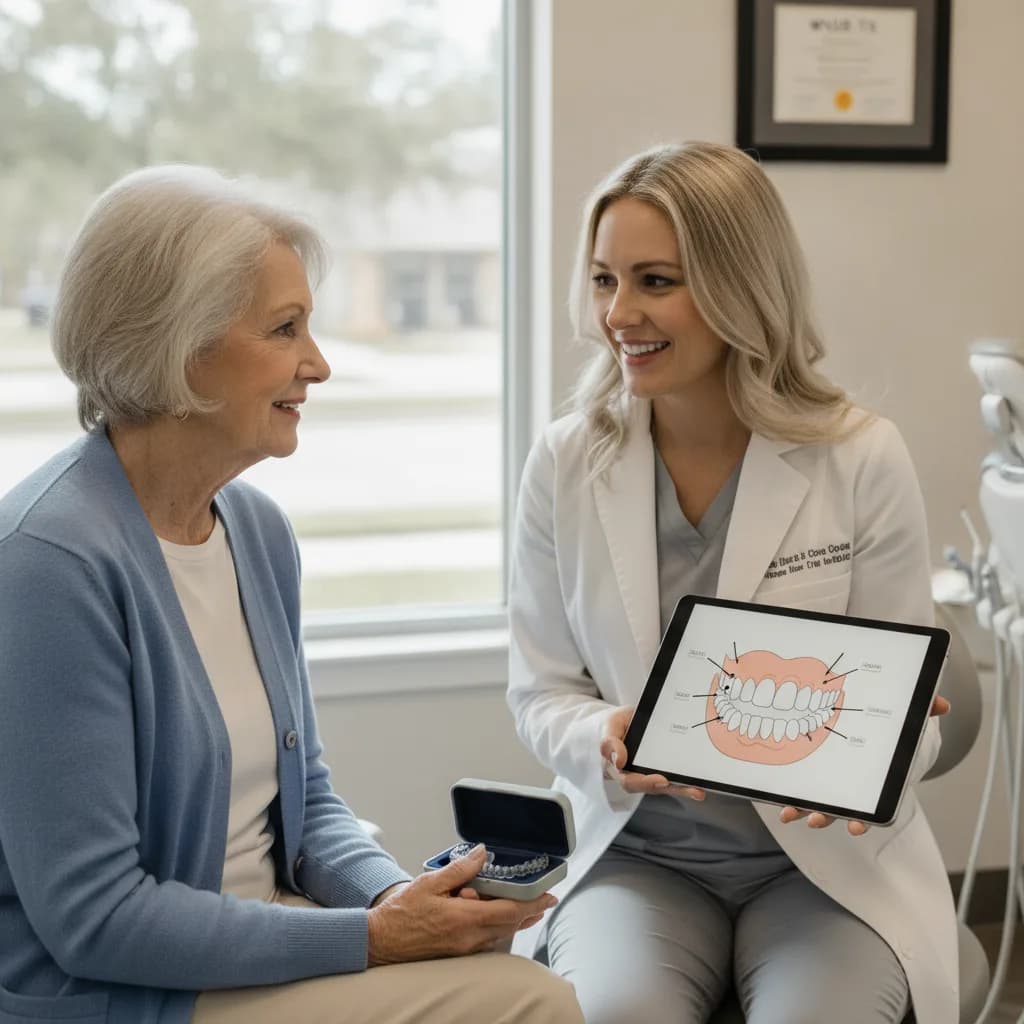
Good oral health matters at every age, but the mouth changes in specific ways after 60, and the care that kept your teeth healthy at 40 may need adjusting. Understanding the most common issues helps you stay ahead of them. This guide to dental care for seniors covers what changes with age, the problems to watch for, and how to protect your smile in Wylie.
How Do Dental Needs Change After 60?
After 60, the mouth faces new challenges: years of wear, a higher risk of gum disease and root decay, more medications that cause dry mouth, and the cumulative effects of past dental work. Care shifts toward protecting existing teeth and managing these age-related risks.
The teeth and gums have simply been in service longer by this stage, so decades of chewing, past fillings and crowns, and gum changes all come into play. Older adults are also more likely to take medications, many of which reduce saliva and quietly raise the risk of decay. According to clinical research, more than 500 medications list dry mouth as a side effect. Gums tend to recede with age, exposing root surfaces that are softer and more vulnerable than enamel. None of this means decline is inevitable, but it does mean the focus of care shifts from the cavity-prevention emphasis of youth toward protecting and maintaining the teeth you have. According to the CDC, about 70% of adults aged 65 and older have some form of gum disease. With the right attention, many people keep their natural teeth for life.
According to the American Dental Association, maintaining good oral health into older age is strongly tied to overall health, since the mouth is connected to conditions like heart disease and diabetes.
What Are the Most Common Dental Issues After 60?
The most common issues are gum disease, dry mouth from medications, root decay, tooth wear and sensitivity, and a higher rate of tooth loss. Many are manageable or preventable with consistent care and regular dental visits.
| Issue | Why It Happens After 60 |
|---|---|
| Gum disease | Cumulative plaque, receding gums, and other health conditions |
| Dry mouth | Common side effect of many medications |
| Root decay | Receding gums expose softer root surfaces |
| Tooth wear & sensitivity | Decades of use thin the enamel |
| Tooth loss | Result of untreated decay or gum disease |
What ties these together is that most are gradual and preventable, which is why dental care for seniors emphasizes catching them early. Gum disease, in particular, is the leading cause of tooth loss in older adults and often progresses painlessly, which is why regular checkups matter so much. The encouraging news is that none of these issues is an unavoidable part of aging, they are risks to manage, not destinies, and consistent care keeps the great majority of them in check.
Why Is Dry Mouth Such a Big Deal for Seniors?
Dry mouth is more than uncomfortable, saliva protects teeth by washing away food and neutralizing acids. When medications reduce saliva, decay and gum problems accelerate, making dry mouth one of the most important issues to address after 60.
Saliva is the mouth's natural defense system, and many common medications for blood pressure, allergies, depression, and other conditions list dry mouth as a side effect. With less saliva, food and bacteria linger, acids are not neutralized, and decay can take hold quickly, especially on exposed roots. Clinical references on dry mouth note that it significantly raises the risk of cavities and gum disease. The good news is that it is manageable: staying hydrated, using saliva substitutes or special rinses, chewing sugar-free gum, and reviewing medications with your doctor all help. Because the link between dry mouth and decay is so strong, it is one of the first things to mention to your dentist.
How Should Seniors Adjust Their Daily Oral Care?
Seniors benefit from gentle but thorough brushing with a soft or electric brush, daily flossing or alternatives like water flossers, fluoride to protect against root decay, and staying hydrated. Adapting tools to any dexterity changes keeps care effective.

The fundamentals do not change, but the tools and techniques can be adapted. An electric toothbrush or one with a larger handle is easier to use for anyone with arthritis or reduced grip strength, and a water flosser can replace string floss for those who find it difficult. Fluoride becomes especially valuable for protecting exposed root surfaces, so a fluoride toothpaste or rinse is worth prioritizing. Staying well hydrated counters dry mouth throughout the day. For denture wearers, daily cleaning of the dentures and the gums underneath is essential. Pairing solid home care with routine professional cleanings is the most reliable formula for keeping teeth and gums healthy into later life.
What About Existing Dental Work and Tooth Replacement?
Older fillings, crowns, and bridges may need repair or replacement over time, and missing teeth can be replaced with implants, bridges, or dentures. Modern options let seniors restore function and confidence at nearly any age.
Dental work does not last forever, and restorations placed decades ago can wear, crack, or develop decay at the edges, so part of senior care is monitoring and maintaining that existing work. When teeth are missing or lost, age alone is rarely a barrier to replacement. A dental implant preserves bone and function and is an option for many healthy older adults, while bridges and well-fitted dentures remain reliable choices. If significant work is needed, a full mouth reconstruction can restore an entire smile in a coordinated plan. The right approach depends on your health, bone, and preferences, which a consultation clarifies.
Why Do Regular Dental Visits Matter More With Age?
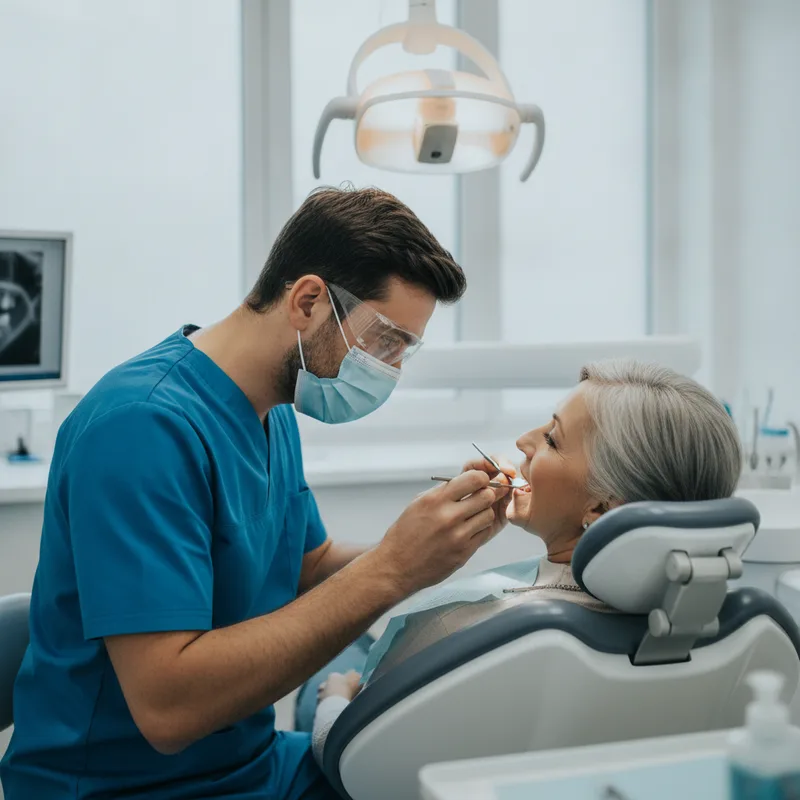
Regular visits become even more important after 60 because age-related problems like gum disease, root decay, and oral cancer often develop painlessly. Routine exams catch these early, when they are easiest and least costly to treat, and include oral cancer screening.

Many of the most serious issues in older mouths give little warning, gum disease can advance without pain, root decay can hide near the gumline, and oral cancer risk rises with age. According to the CDC, the median age at oral cancer diagnosis is about 63, which is why screening after 60 matters. Routine dental exams are designed to catch exactly these things early, including a screening for oral cancer that is quick but genuinely important after 60. Regular cleanings also remove the buildup that fuels gum disease. Public health data consistently links regular dental care with better outcomes, and that link only strengthens with age. Staying on a consistent schedule is one of the simplest, highest-value things older adults can do for both oral and overall health.
How Does Oral Health Connect to Overall Health After 60?
Oral health and general health are closely linked, especially with age. Gum disease is associated with heart disease, diabetes, and respiratory problems, and difficulty chewing can affect nutrition. Caring for the mouth supports the whole body.
According to the American Dental Association, chronic gum inflammation is associated with cardiovascular disease and poorer blood sugar control in diabetes, a relationship that runs in both directions, since diabetes also worsens gum disease. Beyond those links, healthy teeth are essential for eating a varied, nutritious diet; when chewing becomes painful, people often shift to softer, less nutritious foods, which affects overall health. There is even evidence connecting poor oral hygiene to respiratory infections in older adults. The practical takeaway is encouraging: caring for your mouth is one accessible way to support your broader health, and it is never too late to benefit.
This is a major reason dentists and physicians increasingly view oral care as part of healthy aging rather than a separate concern. Mentioning your medications and health conditions at dental visits helps your dentist tailor care to your whole-body picture.
What Should Denture Wearers Know?
Denture wearers need daily cleaning of both the dentures and the gums beneath, regular checks for fit, and continued dental visits even without natural teeth. Dentures that no longer fit well can cause sores, difficulty eating, and bone loss.
A common misconception is that once you have dentures, you no longer need the dentist, but the opposite is true. Dentures should be cleaned daily and removed at night to let the gum tissue rest, and the gums and any remaining teeth need brushing too. Over time, the jawbone beneath dentures gradually changes shape, so a denture that fit perfectly a few years ago may loosen, causing rubbing, sores, or trouble eating. Regular visits let the dentist check the fit, reline or adjust the denture, and screen the soft tissues for problems including oral cancer. For some denture wearers, implant-supported options can dramatically improve stability and comfort, worth discussing if loose dentures are a daily frustration.
Well-maintained dentures and healthy gums underneath make a real difference in comfort, confidence, and the ability to eat well, all of which matter a great deal for quality of life in later years.
Dental Care for Seniors: Keeping Natural Teeth for Life
Keeping natural teeth for life is a realistic goal: consistent daily care, fluoride, managing dry mouth, treating problems early, and regular professional visits together prevent the great majority of age-related tooth loss. Prevention remains the most powerful tool at any age.
It is a myth that losing teeth is an inevitable part of getting older. The people who keep their teeth into their 80s and beyond are usually those who stayed consistent: brushing and flossing daily with the right adapted tools, using fluoride to guard exposed roots, addressing dry mouth, and never skipping their checkups. Catching gum disease or a small cavity early, when it is simple to treat, prevents the cascade that leads to tooth loss. Combining diligent home care with professional cleanings and exams is genuinely powerful, and it is the same formula that protected your teeth earlier in life, simply applied with a few age-appropriate adjustments.
When Should Seniors Be Concerned About a Symptom?
Seniors should promptly report bleeding or sore gums, loose teeth, persistent dry mouth, a sore or patch that does not heal in two weeks, or pain when chewing. These can signal gum disease, decay, or oral cancer that benefit from early evaluation.
While routine visits catch most problems, knowing the symptoms worth a prompt call is empowering. Gums that bleed easily or pull away from the teeth point to gum disease, a loose adult tooth is never normal and needs attention, and ongoing dry mouth deserves management before it causes decay. Most important after 60 is any sore, lump, red or white patch, or area that does not heal within about two weeks, which should be evaluated, since early detection of oral cancer dramatically improves outcomes. None of these symptoms means the worst, but each is a clear signal to be seen rather than to wait.
Results may vary. Please consult with Dr. Jeong for personalized treatment recommendations.
Caring for your smile after 60? Call (972) 881-0715 or contact our team.
Dr. Esther B. Jeong, DDS
DDS · Willow Family Dentistry
Wylie family dentist with 15+ years of experience providing gentle, judgment-free dental care.
Frequently Asked Questions
Was this article helpful?



Have a dental question?
Schedule a consultation and get personalized answers from Dr. Jeong.
Call us
(972) 881-0715
Hours
Mon – Thu: 9am – 5pm
Fri: By Appointment
Location
1125 W FM 544, Wylie
Emergency? Same-day appointments available.