Dental Bridge Cost Texas 2026: Types and Pricing Guide
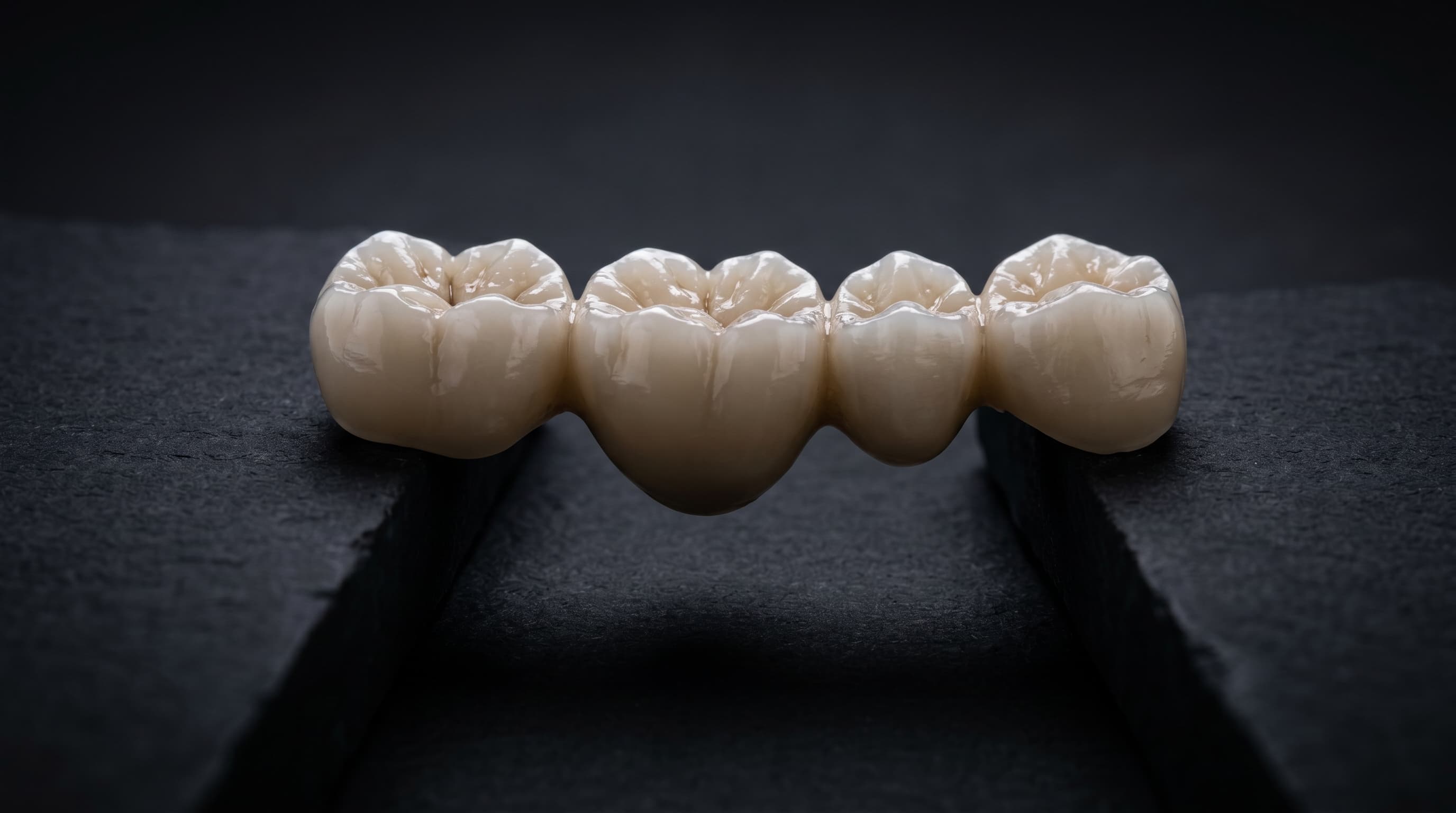
Dental bridge cost in Texas ranges from $1,200 for a basic Maryland bridge to over $15,000 for an implant-supported restoration, and the number you actually pay depends on the bridge type, the material, and how many teeth it replaces. That range is wide enough to make comparison shopping nearly impossible without understanding what drives the price differences. This guide breaks down every bridge type available in 2026 with real pricing, material comparisons, and insurance realities so you can walk into your consultation informed.
At Willow Family Dentistry in Wylie, TX, Dr. Esther Jeong provides clear cost estimates before any work begins. No surprises at checkout. No hidden lab fees. Just transparent pricing matched to your specific situation.
For a figure on your own case rather than a range, see dental bridges in Wylie.
How Much Does a Dental Bridge Cost in Texas in 2026?
Here's what a dental bridge cost in Texas looks like across the four main types. These ranges reflect the Wylie and North Texas market and include the bridge fabrication, abutment tooth preparation, and cementation appointments. Additional costs like extractions, root canals, or core buildups on compromised abutment teeth are separate.
| Bridge Type | Cost Range (Texas) | Appointments | Best For |
|---|---|---|---|
| Traditional 3-Unit | $1,500-$3,500 | 2 visits over 2-3 weeks | Single missing tooth with strong adjacent teeth |
| Maryland Bridge | $1,200-$2,500 | 2 visits over 2-3 weeks | Front teeth, minimal prep needed |
| Cantilever Bridge | $1,500-$3,000 | 2 visits over 2-3 weeks | Missing tooth with only one usable adjacent tooth |
| Implant-Supported Bridge | $4,000-$15,000 | Multiple visits over 4-8 months | Multiple missing teeth, preserving adjacent teeth |
The American College of Prosthodontists estimates that 120 million Americans are missing at least one tooth, and bridges remain one of the most common replacement options according to WebMD for patients who want fixed teeth without the surgical timeline of implants.
A 3-unit bridge (the most common type) replaces one missing tooth with two crowns on the adjacent teeth and a pontic (false tooth) in between. That means you're paying for three units of lab work even though only one tooth is missing. Bridges spanning longer gaps need more units: a 4-unit bridge replacing two missing teeth costs proportionally more, and a 5-unit bridge replacing three teeth is priced accordingly. Each additional unit adds roughly $500-$1,200 depending on material.
What Types of Dental Bridges Are Available?
Not all bridges work the same way, and the type Dr. Jeong recommends depends on which tooth is missing, the condition of the neighboring teeth, and how much bite force the bridge needs to handle.
Traditional Bridge
This is the most common type. Two abutment teeth flanking the gap are prepared (reduced in size), and crowns are placed on them with a pontic suspended between. It's strong, durable, and works in both front and back teeth. The trade-off: the two abutment teeth must be permanently reduced to accept crowns, even if they're completely healthy. That's irreversible tooth structure loss on teeth that had nothing wrong with them.
Maryland Bridge
A Maryland bridge uses a pontic with metal or ceramic "wings" bonded to the back of the adjacent teeth instead of full crowns. Minimal tooth preparation is needed, which preserves the adjacent tooth structure. It's the most conservative option and the least expensive. The limitation: it's only suitable for front teeth where bite forces are lower, and the bonded wings can debond under stress. According to the ADA, Maryland bridges are best for replacing a single front tooth in patients with a healthy bite.
Cantilever Bridge
A cantilever bridge is supported on only one side. It's used when there's only one usable adjacent tooth next to the gap, typically at the end of a dental arch. It's less common than traditional bridges because the single-sided support creates leverage that can stress the abutment tooth over time. Dr. Jeong uses cantilever bridges selectively and only in locations where the bite force is manageable.
Implant-Supported Bridge
Instead of anchoring to natural teeth, this bridge sits on dental implant posts placed in the jawbone. Two implants can support a bridge spanning three or four missing teeth, which is more cost-effective than placing individual implants for each missing tooth. It's the strongest option, preserves adjacent teeth entirely, and prevents bone loss at the implant sites. The higher cost reflects the surgical placement of the implant posts and the longer treatment timeline.
Related: How long should you expect your bridge to last? → How Long Does a Dental Bridge Last? Care Tips
How Does Material Choice Affect the Price?
The bridge type determines the design. The material determines the aesthetics, strength, and a significant chunk of the cost. Dr. Jeong matches material to location, bite force, and aesthetic goals because the wrong material in the wrong spot leads to early failure.
Porcelain-Fused-to-Metal (PFM): $1,500-$3,000 per Bridge
PFM bridges have a metal substructure covered with a porcelain outer layer. They're strong and reasonably aesthetic. The downside: the metal can show as a dark line at the gumline, especially as gums recede with age. For back teeth where aesthetics matter less, PFM is a solid, cost-effective choice. For front teeth, most patients prefer a metal-free option.
Full Porcelain/Ceramic: $2,000-$4,000 per Bridge
All-ceramic bridges use no metal. They match natural tooth color and translucency better than PFM, making them the standard choice for visible front teeth. The trade-off is slightly lower fracture resistance compared to metal-reinforced options, which makes them less ideal for heavy-biting areas like molars. Materials like lithium disilicate (e.max) offer a good balance of aesthetics and strength for premolars and front teeth.
Zirconia: $2,500-$5,000 per Bridge
Zirconia is the strongest ceramic material available for dental restorations. It resists chipping and fracture better than traditional porcelain while maintaining good aesthetics. Modern multilayer zirconia can mimic the translucency gradient of natural teeth (more opaque at the core, more translucent at the edges). It works everywhere: front teeth, back teeth, and high-bite-force areas. The higher price reflects the superior material properties and lab fabrication complexity.
Dr. Jeong recommends zirconia for back teeth and areas of heavy bite force. She recommends lithium disilicate or full porcelain for front teeth where maximum aesthetics are the priority. PFM remains a viable option for patients on a tighter budget who need posterior coverage. The material conversation happens at your consultation, and she'll explain the trade-offs for your specific case.
Related: Crown materials and costs follow similar patterns. → Dental Crown Cost Texas: 2026 Guide With and Without Insurance
Does Insurance Cover Dental Bridges in Texas?
Most dental insurance plans classify bridges as a "major" prosthodontic service and cover 50% of the cost after your annual deductible. But that 50% is capped by your plan's annual maximum, which typically sits between $1,500 and $2,500. On a $3,000 traditional bridge, you might see $1,500 from insurance and $1,500 out of pocket. On a $10,000 implant-supported bridge, that same $1,500 covers a fraction.
Watch for waiting periods. Many plans impose a 12-month waiting period before major prosthodontic coverage activates. If you enrolled in a new plan this year, you may need to wait until next year for bridge coverage to kick in. Pre-authorization is strongly recommended: submit the treatment plan to your insurance before starting so you know exactly what they'll pay.
FSA and HSA accounts both qualify for bridge expenses, providing an additional 20-30% savings through pre-tax contributions. Dr. Jeong's team handles benefits verification before you commit to treatment. According to Mouth Healthy (ADA), patients should always ask for a pre-treatment estimate from their insurance before proceeding with major dental work.
Want to Know Your Exact Bridge Cost?
Dr. Jeong's team verifies your insurance, provides a personalized cost estimate, and explains payment options before any treatment begins.
Request an Appointment →Should You Choose a Bridge or an Implant?
This question comes up at nearly every bridge consultation, and the answer depends on timeline, budget, bone health, and how you feel about modifying healthy adjacent teeth.
A traditional bridge costs $1,500-$3,500, takes two appointments over 2-3 weeks, and gives you a fixed tooth quickly. The trade-off: the two neighboring teeth are permanently reduced for crowns. If those teeth are already crowned or have large fillings, the additional prep isn't a significant sacrifice. If they're perfectly healthy, you're compromising good teeth to replace a missing one.
A single implant costs $3,000-$5,500, takes 4-8 months from placement to final crown, and replaces the missing tooth independently without touching the neighbors. The implant post also preserves jawbone density at the site, which a bridge pontic doesn't. According to the American Academy of Implant Dentistry, implant-supported teeth restore up to 90% of natural chewing power and have a 95-98% success rate over ten years.
The cost-per-year comparison helps frame the decision. A $2,500 bridge lasting 12 years costs $208/year. A $4,500 implant with a post that lasts a lifetime and a crown lasting 15 years costs $300/year initially but drops to under $100/year once the post cost is amortized. For patients under 50 who'll need the replacement for 30+ years, the implant is often more economical over time.
Bridge or Implant? Get a Clear Comparison.
Dr. Jeong compares both options for your specific tooth, bone, and budget. You'll leave the consultation knowing exactly what each path costs and involves.
Request an Appointment →Related: Full pros-and-cons breakdown of both options. → Dental Implants vs Bridges: Honest Pros and Cons
How to Get an Accurate Bridge Estimate in Wylie, TX
Online price ranges are useful for planning, but your actual dental bridge cost in Texas depends on factors specific to your mouth. Here's what affects your personal quote and how to make sure the number you get is the number you pay.
The number of units matters most. A 3-unit bridge (one pontic, two crowns) is standard pricing. A 4-unit or 5-unit bridge spanning a larger gap costs more because there's more lab fabrication and more abutment preparation. The condition of the abutment teeth also affects cost: if one needs a core buildup or root canal before it can support a crown, those procedures add to the total.
Material selection shifts the price by $500-$2,000 per bridge depending on whether you choose PFM, full porcelain, or zirconia. Dr. Jeong discusses material options at your consultation and recommends based on where the bridge sits in your mouth and how much bite force it needs to handle.
At Willow Family Dentistry, the consultation includes an exam, X-rays, and a written cost estimate that breaks down every component: bridge fabrication, abutment preparation, any additional work needed, and what your insurance covers. Dr. Jeong's pricing philosophy is straightforward: you should know exactly what you're paying for before any work starts. No vague estimates. No fees that appear at checkout that weren't discussed upfront.
If cost is a concern, ask about payment plan options. Willow Family Dentistry offers flexible financing so you can get the bridge you need without delaying treatment while a cavity or infection on an abutment tooth gets worse.
Related: Getting the most from your dental plan helps offset the cost. → Dental Insurance Wylie TX: How to Maximize Benefits
Dental bridge cost in Texas spans a wide range because the options themselves are wide-ranging. A $1,200 Maryland bridge on a front tooth, a $3,000 zirconia traditional bridge on a molar, and a $12,000 implant-supported bridge spanning three missing teeth are all "bridges," but they serve different needs at different price points. The right one depends on your anatomy, your goals, and your budget.
If you're ready for a specific number, schedule a consultation at Willow Family Dentistry. Dr. Jeong will examine the site, recommend a bridge type and material, verify your insurance, and give you a clear estimate you can plan around.
Get Your Personalized Bridge Estimate
Dr. Jeong compares bridge types, materials, and costs for your specific situation. Insurance verification included.
Request an Appointment →Questions about bridge pricing?
Call (972) 881-0715 →Dr. Esther B. Jeong, DDS
DDS · Willow Family Dentistry
Wylie family dentist with 15+ years of experience providing gentle, judgment-free dental care.
Frequently Asked Questions
Was this article helpful?
You may also like


Have a dental question?
Schedule a consultation and get personalized answers from Dr. Jeong.
Call us
(972) 881-0715
Hours
Mon – Thu: 9am – 5pm
Fri: By Appointment
Location
1125 W FM 544, Wylie
Emergency? Same-day appointments available.