The Correct Way to Brush Teeth: Modified Bass Method Guide
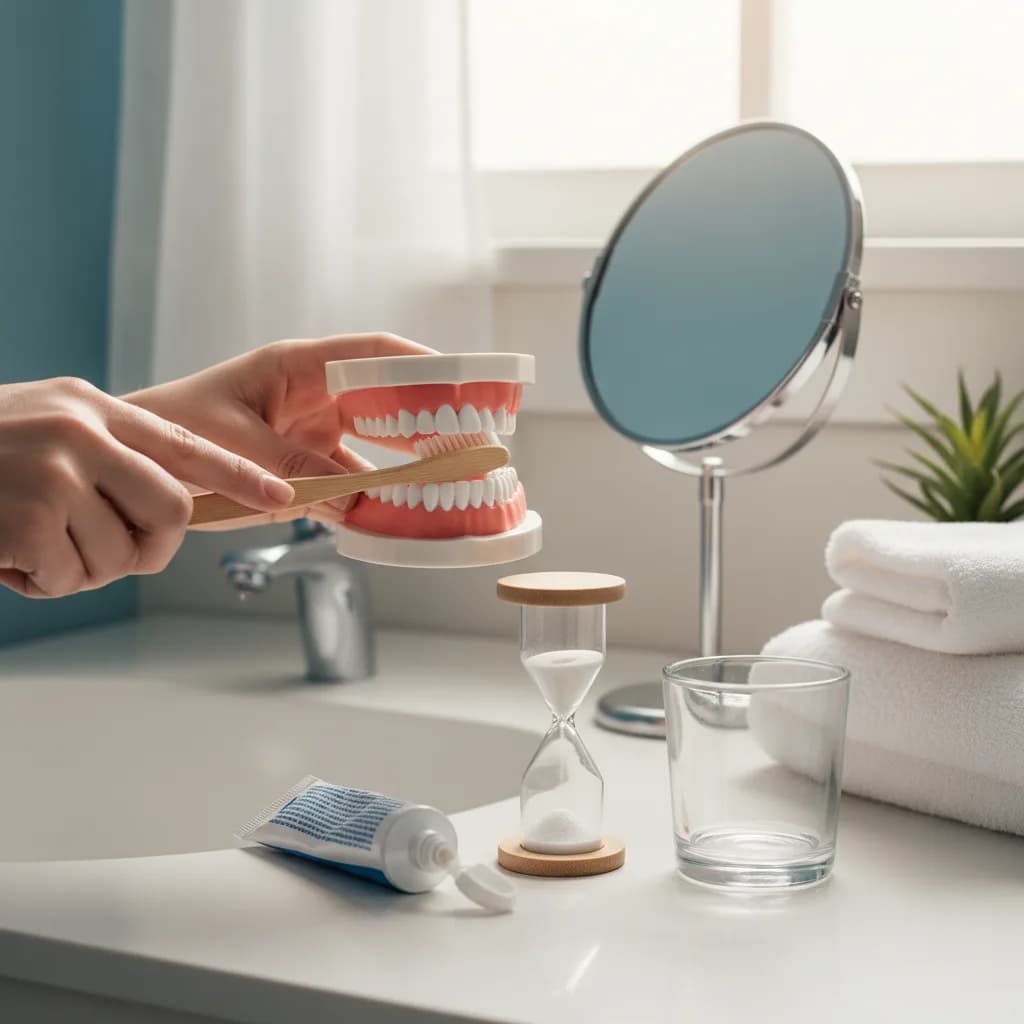
You've been brushing your teeth since you were a child, and there's a good chance you've been doing it wrong the entire time. That's not an insult. It's a clinical observation Dr. Esther Jeong makes at Willow Family Dentistry in Wylie, TX nearly every day. Patients who brush twice daily, who never miss a session, who own expensive electric toothbrushes, still present with plaque buildup at the gumline, early gingivitis, and cavities in areas they thought they were cleaning. The problem isn't effort. It's technique. The correct way to brush teeth uses a specific angle, motion, and sequence that most people were never properly taught.
The ADA recommends the Modified Bass Method as the gold-standard brushing technique for adults. It's the method dental hygienists learn in school, the one Dr. Jeong teaches her own patients, and the one this guide walks through step by step so you can audit and correct your technique tonight.
What Is the Modified Bass Method?
The Modified Bass Method is the brushing technique that cleans where it matters most: at and just below the gumline, where plaque accumulates and where gum disease starts. Most people brush the middle of their teeth (the area that's already self-cleaning from saliva and food contact) while missing the gumline entirely. The Modified Bass Method fixes this by angling the bristles into the gum margin and using a specific motion that disrupts plaque in the sulcus (the shallow groove between the tooth and gum) before sweeping it away.
According to the Mayo Clinic, the Modified Bass technique removes significantly more plaque from the gumline than horizontal scrubbing and is the most widely recommended method by dental professionals worldwide. Here's the technique broken down into steps you can follow at the mirror tonight.
How Do You Brush with the Modified Bass Method?
Step 1: Position the Brush at 45 Degrees to the Gumline
Hold your toothbrush so the bristles point toward the gumline at a 45-degree angle. Not perpendicular to the tooth (90 degrees, like scrubbing a floor). Not flat against the tooth (0 degrees, like painting a wall). Forty-five degrees, aimed into the junction where the tooth meets the gum. At this angle, the bristle tips slip just barely into the sulcus, the 1-3mm groove between the gum and tooth where the earliest plaque accumulates. According to the ADA, the 45-degree angle is the single most important element of the technique because it's the only angle that reaches the sulcus.
Step 2: Use Short, Gentle Vibrating Strokes
With the bristles at 45 degrees and touching the gumline, make short back-and-forth vibrating strokes (jiggling the brush head about one tooth-width in each direction). Light pressure only. You're vibrating the bristle tips to disrupt the plaque biofilm in the sulcus, not scrubbing aggressively. Ten to fifteen vibrating strokes per position, covering 2-3 teeth at a time. The vibration breaks the bacterial biofilm's attachment to the tooth surface and the gum margin.
Step 3: Sweep Away from the Gumline
After the vibrating strokes, roll or sweep the brush head away from the gumline toward the biting surface of the tooth. On upper teeth, sweep downward. On lower teeth, sweep upward. This sweeping motion carries the disrupted plaque and debris away from the sulcus and off the tooth. This is the "Modified" part of the Modified Bass: the original Bass method used only the vibrating strokes. The modification added the sweep to remove the plaque the vibration loosened.
Step 4: Cover All Surfaces Systematically
Divide your mouth into quadrants (upper right, upper left, lower right, lower left) and brush each systematically. For each quadrant, cover three surfaces: the outer (cheek-facing), inner (tongue-facing), and biting surface. The outer and inner surfaces get the 45-degree vibrate-and-sweep technique. The biting surfaces get a standard back-and-forth scrubbing motion because there's no gumline on the biting surface.
For the inner surfaces of the front teeth (upper and lower incisors), turn the brush vertically (toe of the brush head pointed toward the gumline) and use short up-and-down strokes. The brush head is too wide to fit horizontally behind the front teeth, and the vertical orientation allows the bristle tips to reach the gumline on these narrow surfaces.
Step 5: Two Minutes, Every Time
The full Modified Bass technique takes approximately 2 minutes when done properly: 30 seconds per quadrant. Most people brush for 45-60 seconds and stop, which means they're covering roughly half their mouth. According to ADA research, plaque removal increases linearly with brushing time up to 2 minutes, after which the incremental benefit diminishes. Two minutes is the minimum effective dose, and a timer (phone timer, electric toothbrush timer, or a 2-minute song) makes compliance effortless.
Want a Brushing Technique Check?
Dr. Jeong's hygienists demonstrate proper brushing and flossing technique at every cleaning visit. It takes 2 minutes and can change outcomes you've been struggling with for years.
Request an Appointment →What Are the Most Common Brushing Mistakes?
Dr. Jeong sees the same technique errors in patients of all ages, education levels, and dental awareness. These aren't signs of laziness. They're gaps in instruction that nobody ever corrected.
Sawing Back and Forth Horizontally
The most common mistake. Holding the brush flat against the teeth and sawing horizontally is the default motion most people use because it feels productive and it's how we scrub everything else in life. But horizontal scrubbing misses the gumline entirely (the bristles glide across the tooth surface above the sulcus) and over time creates abrasion notches at the gumline called abfraction lesions. These V-shaped grooves weaken the tooth structure and increase sensitivity. According to the ADA, horizontal scrubbing is the primary cause of toothbrush abrasion, a preventable condition that's distinct from cavity-related enamel loss.
Brushing Too Hard
More pressure doesn't mean more cleaning. Plaque is soft and sticky and comes off with gentle contact. Pressing harder doesn't remove more plaque; it damages the gum tissue and erodes enamel at the gumline. The tissue recession that Dr. Jeong sees in patients with no gum disease is almost always from aggressive brushing. A soft-bristled brush with gentle pressure is all that's needed. If your bristles are splayed outward within a month of use, you're pressing too hard.
Related: Aggressive brushing causes recession. → Can Receding Gums Grow Back?
Skipping the Inner Surfaces
The tongue-facing surfaces of the teeth (lingual surfaces) are the most commonly missed area. They're harder to see, harder to access with the brush, and feel less satisfying to clean than the visible outer surfaces. But plaque accumulates there at the same rate, and gum disease develops there with the same consequences. The lower front teeth's inner surfaces are particularly neglected and are the most common site for calculus (tarite) buildup.
Using a Hard or Medium Bristle Brush
Hard and medium bristle brushes still exist on store shelves despite every dental organization recommending against them. The ADA recommends soft bristles exclusively. Soft bristles are flexible enough to bend into the sulcus and conform to tooth contours while being gentle enough to avoid tissue damage. Hard bristles are stiff, can't flex into the sulcus, and scrape enamel and gum tissue with each stroke.
Brushing Right After Eating Acidic Foods
After consuming acidic foods or drinks (citrus, coffee, soda, wine, tomato-based foods), enamel is temporarily softened. Brushing within 30 minutes of acid exposure scrubs the softened enamel surface, accelerating erosion. Rinse with water immediately after acidic foods, wait 30 minutes for saliva to remineralize the surface, then brush. According to the ADA, the 30-minute rule applies to all acidic exposures.
Neglecting the Tongue
The tongue's papillae (tiny bumps covering the surface) trap bacteria, food debris, and dead cells that contribute to bad breath and reintroduce bacteria to freshly cleaned teeth. Brush your tongue gently from back to front for 10-15 seconds after brushing your teeth, or use a tongue scraper. Tongue cleaning reduces volatile sulfur compound levels (the molecules responsible for bad breath) by up to 75% according to halitosis research.
Related: Bad breath despite brushing? The tongue may be the culprit. → Chronic Bad Breath: Causes and Fixes
Manual vs Electric: Does the Brush Matter?
Electric toothbrushes with oscillating-rotating or sonic heads produce small, rapid movements that mimic the vibrating strokes of the Modified Bass Method automatically. For patients who struggle with proper manual technique, an electric brush delivers more consistent plaque removal because the brush head does the vibrating for you. You still need to angle it at 45 degrees and move it systematically through all surfaces, but the mechanical action is more forgiving of technique imperfections.
According to a Cochrane systematic review cited by the ADA, electric toothbrushes reduce plaque by 21% more and gingivitis by 11% more than manual brushes across all studies. The advantage is even greater in patients with poor manual technique, braces, limited dexterity, or caregivers brushing for dependents.
That said, a manual brush used with proper Modified Bass technique produces excellent results. The brush is less important than the technique. Dr. Jeong recommends electric brushes for patients who need the consistency advantage and manual brushes for patients who have mastered the technique and prefer simplicity. Either way: soft bristles, 45-degree angle, gentle vibrating strokes, systematic coverage, 2 minutes.
How Often Should You Replace Your Toothbrush?
Every 3-4 months, or sooner if the bristles are frayed or splayed. Worn bristles lose their flexibility and can't angle into the sulcus effectively. They also become less gentle on gum tissue. The ADA recommends replacement at 3-month intervals as a baseline, with earlier replacement if the brush shows visible wear. After any illness (cold, flu, strep), replace the brush to avoid reintroducing bacteria.
For electric toothbrush heads, the same 3-month timeline applies. The smaller head size means the bristles work harder per stroke, so they may wear faster than manual brush bristles.
The correct way to brush teeth isn't complicated, but it is specific: 45-degree angle to the gumline, gentle vibrating strokes, sweep away from the gum, all surfaces in all quadrants, 2 minutes minimum, soft bristles only, and don't forget the tongue. If you've been brushing twice daily and still getting cavities or bleeding gums, technique is the most likely variable that needs correction. Dr. Jeong's hygiene team demonstrates proper technique at every cleaning visit at Willow Family Dentistry. Two minutes of personalized coaching can change outcomes you've been struggling with for years.
Brush Better Starting Tonight
Dr. Jeong's hygienists demonstrate the Modified Bass Method at every cleaning visit. Personalized technique coaching, 2 minutes, better results for life.
Request an Appointment →Questions about your brushing routine?
Call (972) 881-0715 →Dr. Esther B. Jeong, DDS
DDS · Willow Family Dentistry
Wylie family dentist with 15+ years of experience providing gentle, judgment-free dental care.
Frequently Asked Questions
Was this article helpful?
You may also like


Have a dental question?
Schedule a consultation and get personalized answers from Dr. Jeong.
Call us
(972) 881-0715
Hours
Mon – Thu: 9am – 5pm
Fri: By Appointment
Location
1125 W FM 544, Wylie
Emergency? Same-day appointments available.