Best Denture Adhesive: What Dentists Actually Recommend
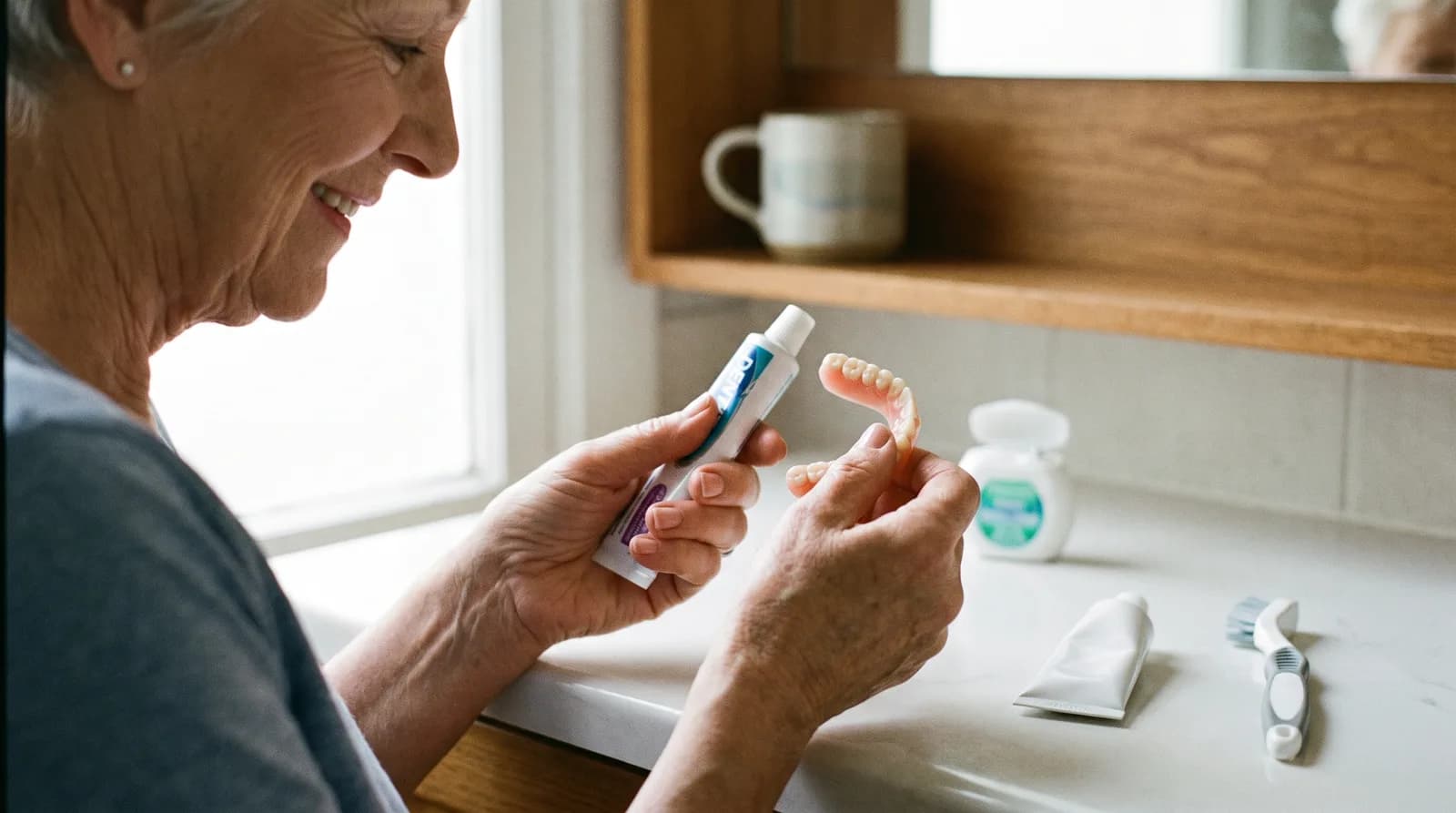
Best denture adhesive is genuinely one of the most common questions patients ask, and the honest answer depends less on a specific brand than on a few key factors dentists actually look for. You can learn more about restorative dentistry at Willow, or contact our office with any specific product questions.
This guide covers what actually matters when choosing an adhesive, and when needing more of it is a sign of something else entirely.
Best Denture Adhesive: What Dentists Actually Look For
Best denture adhesive genuinely comes down to a few key specific factors overall: zinc-free formulation, the right type for your own specific needs, and proper application technique each and every time.
Dentists genuinely care less about brand names and more about whether an adhesive is safe for long-term use and actually suits your specific denture type.
Understanding these factors genuinely helps you make an informed choice, rather than guessing based on packaging claims alone.
Most patients genuinely find that once they know what to look for, choosing between products becomes a much simpler decision.
A quick conversation with your own dentist can also genuinely help narrow down what's realistic for your specific situation.
Why Does Zinc-Free Matter So Much in Denture Adhesive?
Zinc-free formulation genuinely matters quite a bit today because older adhesives genuinely containing real actual zinc were genuinely linked to real toxicity issues with heavy, long-term daily use over time.
| Type | Best For |
|---|---|
| Cream | Strongest, most common hold |
| Powder | Lighter feel, easier cleanup |
| Strips/pads | Pre-measured, less mess |
Zinc-free formulas are genuinely now the standard dentists recommend, and most major adhesive brands have shifted to this formulation entirely.
Checking the label for this specific wording genuinely takes just a moment and is worth doing before any purchase.
Roughly 20% of adults have some form of untreated tooth decay, according to Mayo Clinic oral health resources, and addressing it early sometimes helps patients avoid the extensive tooth loss that eventually leads to dentures.
According to the ADA's general patient care resources, patients should genuinely discuss any long-term product use with their dentist.
Not Sure What's Right for You?
Our team can discuss options that fit your specific denture and needs.
Contact Our Office →Cream, Powder, or Strips: Which Type Actually Works Best?
Cream genuinely provides the very strongest overall hold and remains the single most popular choice today, though it can feel messier than other options for some patients to manage daily.
- Cream. Strongest hold, most widely used option
- Powder. Lighter feel, genuinely easier cleanup
- Strips or pads. Pre-measured, less mess overall
- Personal preference. Often matters more than type
Powder genuinely works well for patients who prefer a lighter feel or find cream applications overly messy to manage daily.
Strips and pads genuinely offer a middle ground, providing a pre-measured amount without the mess that creams sometimes involve.
Trying a small sample of each type genuinely helps you figure out which one actually fits your own daily routine best.
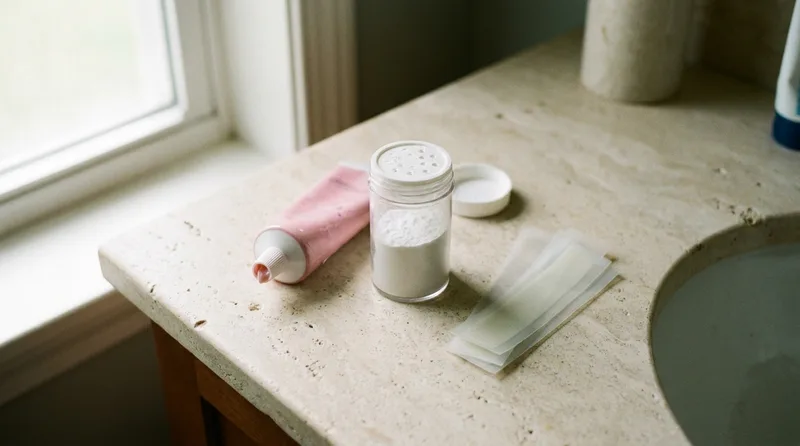
Can Denture Adhesive Fix a Loose or Ill-Fitting Denture?
Denture adhesive genuinely should add some extra confidence to an already well-fitting denture itself overall, not genuinely compensate for one that no longer genuinely fits quite properly at all anymore.
Nearly 92% of adults have had at least one cavity in their lifetime, according to ADA general patient resources, and many eventually need dentures after significant tooth loss.
Our guide on denture relines covers what to do if your denture genuinely needs refitting rather than more adhesive.
Relying on increasing amounts of adhesive to compensate for a poor fit genuinely isn't a sustainable long-term solution.
How Should You Actually Apply Denture Adhesive?
Starting with a clean, completely dry denture surface genuinely matters quite a lot indeed, since any adhesive applied to a wet or dirty surface genuinely won't hold nearly as effectively.
A small amount genuinely goes a long way, and using more than directed usually just creates excess ooze rather than a better hold.
Following the specific instructions on your chosen product genuinely gives you the best results without unnecessary mess.
Nearly 36% of Americans report some level of dental anxiety, according to ADA general patient resources, and feeling confident about your own denture routine genuinely helps reduce some of that everyday worry.
Our guide on cleaning complete dentures covers the daily routine that keeps your denture ready for adhesive each morning.
When Should You See Your Dentist Instead of Reaching for More Adhesive?
Needing increasingly more adhesive over time genuinely signals that your own denture's fit has genuinely changed quite a noticeable bit and likely needs some real professional attention rather fairly soon.
Irritation, sore spots, or adhesive that simply won't hold through the day are also genuinely signs worth bringing up at your next visit.
Our team can evaluate your fit and determine whether a reline, adjustment, or new denture genuinely makes the most sense.
Addressing a changing fit early genuinely prevents the irritation and discomfort that often comes with ignoring the issue.
Finding the right product genuinely matters less than knowing when adhesive isn't the real solution. Results may vary. Please consult with Dr. Jeong for personalized treatment recommendations.
If your current adhesive isn't working the way it used to, our team is happy to take a look.
- Choose a zinc-free formula in your preferred type
- Start with a clean, completely dry denture
- Apply a small amount rather than overdoing it
- Call us if you need more adhesive than before
Questions About Your Denture Fit?
Dr. Jeong can evaluate your fit and recommend the right next step.
Contact Our Office →Dr. Esther B. Jeong, DDS
DDS · Willow Family Dentistry
Wylie family dentist with 15+ years of experience providing gentle, judgment-free dental care.
Frequently Asked Questions
Was this article helpful?
You may also like


Have a dental question?
Schedule a consultation and get personalized answers from Dr. Jeong.
Call us
(972) 881-0715
Hours
Mon – Thu: 9am – 5pm
Fri: By Appointment
Location
1125 W FM 544, Wylie
Emergency? Same-day appointments available.