Dental Bonding: What to Expect and How Long It Lasts
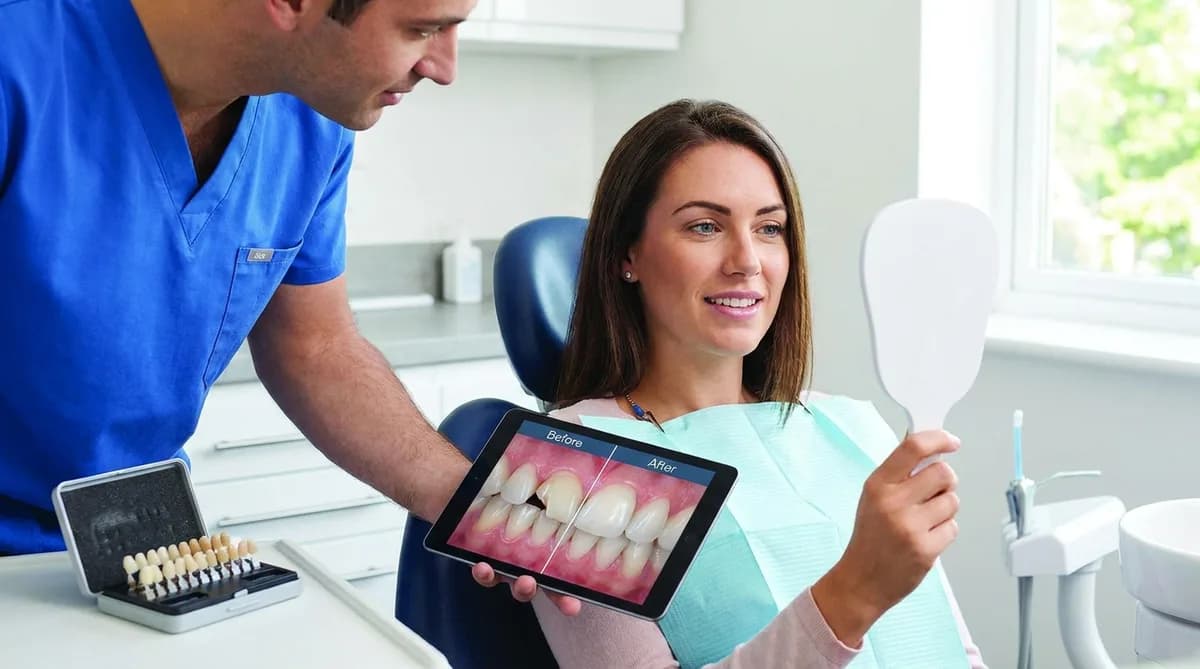
If you have a chipped, gapped, or slightly misshapen tooth, dental bonding is one of the simplest ways to fix it, often in a single visit and without touching the rest of your smile. It is one of the most popular cosmetic treatments because it is fast, conservative, and reversible. But a fair question comes up before anyone commits: what is the procedure actually like, and how long will the result last?
This guide walks through exactly what to expect during dental bonding, how the appointment unfolds, what recovery and aftercare involve, and the realistic lifespan of bonded teeth. We will not quote prices, since the right plan depends on your situation. The goal is to help patients in Wylie, TX understand the treatment well enough to decide whether it fits.
What Is Dental Bonding?
Dental bonding is a cosmetic procedure in which a tooth-colored resin is applied to a tooth, shaped, and hardened to repair or improve its appearance. The material, called composite resin, bonds directly to the tooth, which is where the treatment gets its name. It is commonly used for minor chips, small gaps, and reshaping, and it usually requires little or no removal of natural tooth.
Because the resin is matched to the shade of your existing teeth, a well-done bond blends in so the repair is hard to spot. The same composite material used in tooth-colored fillings is used here, applied to the visible surface for cosmetic reasons rather than to fill a cavity. That shared material is why bonding feels familiar to many patients who have had a modern filling.
It helps to know what bonding is best suited for versus what calls for another option. For a single chipped tooth, our guide on how to fix a chipped tooth covers the full range of repairs, and for closing a space between the front teeth, our article on options for a gap between front teeth goes deeper on that specific use.
Bonding is best thought of as a precise, artistic touch-up rather than a full rebuild. It excels at the kinds of small imperfections people notice in the mirror but that are not structural problems: a chipped corner, a slightly short tooth, a small gap, a stubborn spot of discoloration that whitening cannot reach. Because it adds to the tooth rather than cutting it down, it keeps your natural tooth intact, which is one of its biggest appeals.
What Happens During a Dental Bonding Procedure?
During the procedure, the dentist prepares the tooth surface, applies the composite resin in layers, shapes it to look natural, and hardens it with a curing light, usually in a single visit. It is one of the least invasive cosmetic treatments, and anesthesia is often unnecessary because no significant drilling is involved. Most patients find it comfortable from start to finish.
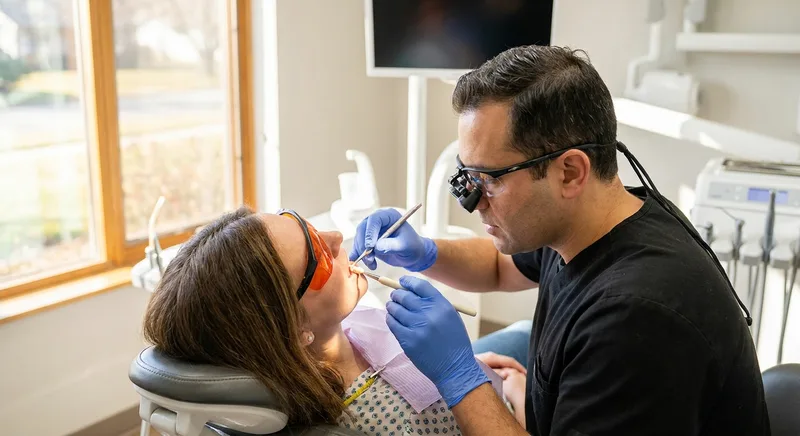
Here is how a typical appointment unfolds:
- The dentist selects a resin shade that matches your natural teeth.
- The tooth surface is lightly prepared and conditioned so the resin will adhere.
- The putty-like composite is applied, then sculpted to the right shape and size.
- A curing light hardens the material in place within seconds.
- The dentist trims, smooths, and polishes the bond so it looks and feels natural.
The whole process often takes somewhere between thirty minutes and an hour per tooth, depending on how much shaping is needed. Because the results are immediate, you leave the same visit with the repair complete. At Willow Family Dentistry, Dr. Esther B. Jeong takes care to match the shade and contour precisely, since the artistry of the shaping is what makes a bond look like a natural tooth rather than a patch.
Does Dental Bonding Hurt, and What Is Recovery Like?
Bonding is typically painless, and because it is so minimally invasive, there is essentially no recovery period. Most patients walk out and resume their day immediately. Since the procedure usually does not involve drilling into the tooth or numbing, there is none of the lingering numbness associated with other dental work.
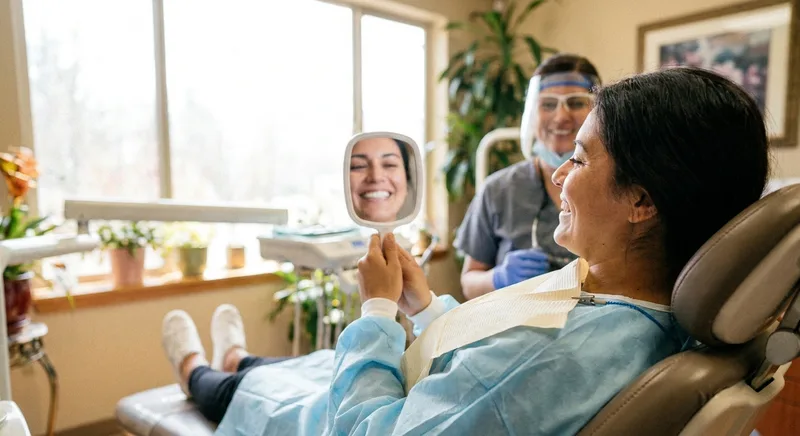
You may notice the bonded tooth feels slightly different for a day or two as you get used to the new shape, which is normal and fades quickly. There are no stitches, no swelling, and no downtime. The main thing to be aware of is that composite resin is not quite as hard as natural enamel, so a little care in the first day or two while you adjust is sensible.
According to WebMD, bonding is among the easiest and least expensive cosmetic dental procedures, in part because it can usually be completed in one appointment without the lab work that other options require. That simplicity is a big part of its appeal for people who want a quick improvement without a multi-visit commitment.
How Long Does Dental Bonding Last?
Bonding typically lasts between three and ten years before it needs a touch-up or replacement, with most people getting around five to seven years of good wear. Bonding materials generally last 3 to 10 years, according to the Cleveland Clinic, and how long yours lasts depends largely on your habits and oral care. The good news is that bonding can usually be repaired or refreshed rather than fully redone.
Several factors influence how long a bond holds up. Bonding on the front teeth tends to last longer than on back teeth, because the front teeth handle gentler biting forces. Habits matter too: grinding, nail biting, chewing ice, or using your teeth as tools can chip or wear the resin sooner. And because composite is more porous than enamel, it can pick up stains from coffee, tea, red wine, and tobacco over time.
One of bonding's underrated advantages is that it is conservative and reversible. Because it sits on top of the natural tooth rather than requiring enamel removal, a bond can be touched up, repaired, or replaced down the line without committing you to anything permanent. That flexibility is part of why so many people choose it for smaller cosmetic fixes.
Setting realistic expectations helps. The same research that puts bonding's range at three to ten years also notes that the structural lifespan, meaning how long the resin stays attached, often outlasts the cosmetic lifespan, meaning how long it looks brand new. Front teeth, which take gentler forces, frequently last toward the longer end, while bonding on hard-working back teeth may need attention sooner. Knowing this upfront means no surprises later, just a clear sense of when a refresh might be due.
How Do You Make Dental Bonding Last Longer?
You make bonding last longer by maintaining good oral hygiene, avoiding habits that stress the resin, and keeping up with regular dental visits. A few simple habits make a real difference in both how long the bond stays intact and how good it continues to look. The care is straightforward, but it matters.

The most effective steps include:
- Brush gently twice a day with a soft brush and non-abrasive, fluoride toothpaste.
- Clean between your teeth daily with floss or an interdental brush.
- Avoid biting hard objects like ice, pens, and fingernails.
- Limit staining foods and drinks, or rinse with water after them.
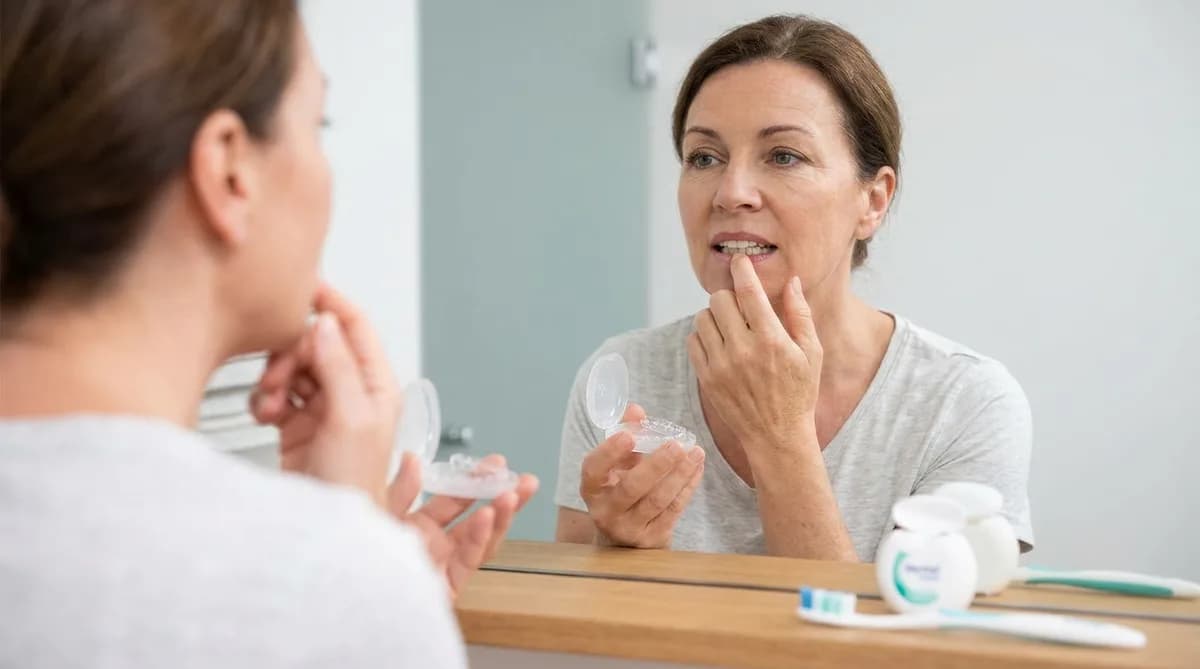
- Wear a night guard if you grind your teeth, and avoid tobacco.
- Keep regular checkups so wear or staining is caught and polished early.
Professional polishing during routine visits can refresh the surface of bonded teeth and reduce staining, which is one reason consistent checkups help bonding age gracefully. If you grind at night, addressing that protects not just your bonding but your natural teeth as well.
What Are the Pros and Cons of Bonding?
The main advantage of bonding is that it delivers a fast, affordable, conservative fix in a single visit, while its main limitation is that it is less durable and stain-resistant than veneers or crowns. Weighing those trade-offs is the key to deciding whether it is the right call for your particular tooth.
On the positive side, bonding usually requires no removal of healthy tooth, needs no anesthesia in most cases, and produces immediate results you can see the same day. It is reversible, repairable, and gentle on your natural teeth. For minor cosmetic concerns, few treatments offer that combination of speed and conservatism.
The trade-offs are honest ones worth knowing. The resin is more prone to chipping and staining than porcelain, so it does not last as long and may need periodic touch-ups. Studies of composite materials cited by the National Library of Medicine put the typical lifespan at about 5 to 7 years on average, according to that research, with well-maintained front-tooth bonding often reaching closer to 10. For someone wanting a dramatic, long-lasting, stain-proof transformation across many teeth, a different option may deliver better value over time. Matching the treatment to the goal is exactly what a good consultation sorts out.
Is Dental Bonding Right for You, or Would Another Option Be Better?
Bonding is a great fit for minor cosmetic fixes when you want a fast, conservative, budget-friendly improvement, but veneers or crowns may suit larger changes or longer-lasting results. The right choice depends on the size of the issue, how long you want it to last, and how much you want to change. A consultation is the only way to know for certain.
Bonding shines for small chips, minor gaps, and subtle reshaping. When someone wants a more dramatic, stain-resistant, and longer-lasting transformation, veneers are often the better route, and our comparison of dental bonding versus veneers lays out that decision in detail. For badly damaged or weakened teeth, a crown may be the more durable answer. According to the American Dental Association's MouthHealthy resource, the best cosmetic choice always depends on the individual tooth and the patient's goals.
Willow Family Dentistry approaches these decisions honestly and without pressure, never recommending more treatment than you need. If bonding is the right, conservative fix, that is what you will hear. If something else would serve you better, you will hear that too. For help choosing a provider for cosmetic work, our guide on how to choose a cosmetic dentist is a useful next read.
Wondering if bonding is right for your smile?
Book a cosmetic consultation at Willow Family Dentistry in Wylie, TX. Dr. Jeong will assess your tooth and explain whether bonding or another option fits best, with no pressure.
Explore cosmetic dentistryFurther Reading
Dental bonding is one of several ways to improve a smile. The articles below go deeper on related options, from comparing bonding with veneers to fixing a chipped tooth or closing a gap.
- Dental Bonding vs Veneers: Which Is Right for You?
- How to Fix a Chipped Tooth: Wylie, TX Repair Guide
- Gap Between Front Teeth: Causes and How to Close It
Results may vary. Please consult with Dr. Jeong for personalized treatment recommendations.
Dr. Esther B. Jeong, DDS
DDS · Willow Family Dentistry
Wylie family dentist with 15+ years of experience providing gentle, judgment-free dental care.
Frequently Asked Questions
Was this article helpful?
You may also like
Have a dental question?
Schedule a consultation and get personalized answers from Dr. Jeong.
Call us
(972) 881-0715
Hours
Mon – Thu: 9am – 5pm
Fri: By Appointment
Location
1125 W FM 544, Wylie
Emergency? Same-day appointments available.